
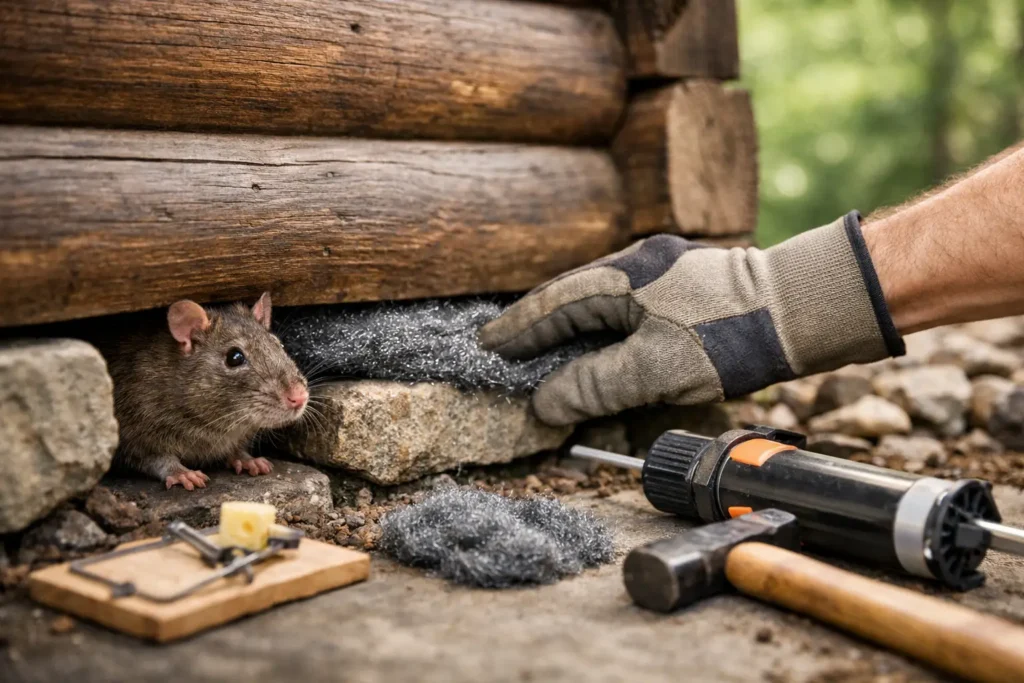
A cabin can sit quiet for two weeks and still come alive with scratching in the walls, droppings under the sink, and chewed insulation in the attic. That is why knowing how to rodent proof cabins matters so much in mountain communities. Cold nights, nearby forest cover, and long vacancy periods make cabins especially attractive to mice and rats looking for warmth, shelter, and easy nesting material.
Rodent proofing is not just about setting traps after you hear movement. It starts with understanding why cabins are different from full-time homes. Seasonal use, crawl spaces, aging wood, roof gaps, utility penetrations, and stored food all create opportunities. If you want lasting protection, you need to think like a rodent for a moment, then close off every practical route in.
Why cabins attract rodents in the first place
Cabins offer exactly what rodents want. They provide stable shelter from predators, warmer interior temperatures, and a reliable mix of food and water sources. Even a clean cabin can attract activity if there is pet food, bird seed, dry goods, soap, candles, grease residue, or a little condensation under a sink.
Mountain cabins also tend to have more entry points than owners realize. Wood siding shifts with weather. Foundations settle. Vent screens rust out. Doors lose their seal. Rooflines meet rough framing in ways that leave hidden voids. A mouse only needs a gap around the size of a dime, and rats do not need much more.
Vacancy makes the problem worse. In a primary residence, daily noise and movement disrupt rodent behavior. In a weekend cabin or vacation rental, pests can explore freely for days at a time. By the time you notice signs, they may already be nesting inside insulation, wall voids, or crawl spaces.
How to rodent proof cabins from the outside in
The most effective way to rodent proof a cabin is to start with exclusion. That means physically blocking entry points before focusing on trapping or cleanup. If you skip this step, removal becomes a revolving door.
Begin with a full exterior inspection at ground level and work upward. Check where siding meets the foundation, where pipes and wires enter the building, and where decks connect to the structure. Look at crawl space vents, attic vents, eave gaps, roof returns, and chimney flashing. Any opening, crack, or soft spot deserves attention.
Use materials rodents cannot easily chew through. Metal flashing, galvanized hardware cloth, and high-quality sealants are far more reliable than foam alone. Spray foam can help close air leaks, but by itself it is not rodent proof. Mice can chew through many soft materials quickly, especially when they already smell food or nesting space on the other side.
Doors and garage doors are common weak points in cabins. If light shows under the door, rodents can often use that gap. Replace worn sweeps, repair warped thresholds, and check side seals. This is one of the simplest upgrades with the biggest payoff.
Focus on utility openings and vents
Utility penetrations are some of the most overlooked problem spots. Cable lines, plumbing, gas lines, and HVAC openings often leave irregular gaps. Because these areas are already disturbed, rodents tend to investigate them first. Seal these openings tightly with chew-resistant materials and make sure vent screens are intact and secured.
Dryer vents, foundation vents, and attic vents need extra attention. The goal is airflow without access. A rusted or loose screen is basically an open invitation.
Rooflines matter more than most owners think
Many cabin owners check the base of the structure and forget the upper half. But rats and squirrels can access roofs from overhanging branches, stacked firewood, fences, and nearby sheds. Once they reach the roof, they will test fascia boards, gable vents, ridge gaps, and soffit returns.
If tree limbs touch or nearly touch the roof, trim them back. It will not solve every problem, but it removes an easy bridge. Also inspect for water-damaged wood. Soft trim is much easier for rodents to exploit than sound material.
Interior steps that make cabins less inviting
After sealing the outside, reduce what makes the inside worth entering. Rodent proofing works best when exclusion and sanitation happen together.
Store all dry goods in hard plastic, glass, or metal containers with tight-fitting lids. That includes flour, cereal, rice, pasta, snacks, pet food, and even bird seed. Cardboard and thin plastic bags are not protection. Rodents can smell through them and chew through them fast.
Pay attention to hidden food residue. Crumbs under appliances, grease around the stove, and forgotten pantry spills can support ongoing activity. In vacation rentals and part-time cabins, this matters even more because one missed mess can sit undisturbed for days.
Water control is just as important. Fix leaking supply lines, dripping faucets, and sweating pipes. Empty standing water from trays and utility areas. Rodents do not need much moisture, but any reliable source helps them stay inside.
Soft materials should also be managed. Piles of linens, cardboard boxes, paper bags, and stored clothing create ideal nesting areas. Use sealed bins instead of loose storage, especially in garages, basements, and loft spaces.
The crawl space, attic, and garage problem
If rodents get established in a cabin, they often settle in the least-used areas first. Crawl spaces, attics, and garages give them privacy, insulation, and room to reproduce before anyone notices.
In crawl spaces, look for burrowing near the perimeter, torn insulation, droppings along pipes, and rub marks on beams or edges. Moisture makes these spaces even more attractive, so vapor barrier issues and drainage problems should be corrected alongside exclusion.
In attics, listen for nighttime scratching and check for shredded insulation, droppings, urine odor, and chewed wiring. Rodent contamination in an attic is not just unpleasant. It can create real health concerns and fire risk if wires are damaged.
Garages are trouble because they combine access, clutter, and storage. Weatherstripping around the vehicle door often wears down long before owners notice. Once rodents enter the garage, the jump into wall voids or living space gets much easier.
Humane control versus temporary fixes
If rodents are already active, proofing alone is not enough. You need removal, cleanup, and then exclusion to stop the cycle. This is where many DIY efforts fall short. People seal a few holes, place traps in the kitchen, and assume the issue is solved, while nesting continues in the attic or crawl space.
A humane, eco-conscious approach focuses on identifying species, locating active pathways, removing animals responsibly, and correcting the conditions that drew them in. That is especially important in mountain areas where homes sit close to natural habitat. The goal is to protect the structure without creating unnecessary harm to wildlife.
There is also a timing issue. If you seal a cabin while animals are still inside, you can end up trapping them in walls or other voids. That leads to odor, contamination, and more repair work. It depends on the level of activity, but heavy infestations usually require professional inspection before exclusion is completed.
How to rodent proof cabins that sit vacant for weeks
Cabins that are empty between visits need a tighter prevention plan than full-time homes. Every visit should include a quick check of vulnerable areas, especially under sinks, in cabinets, around door thresholds, and in attic or garage corners.
Before leaving, remove food whenever possible rather than just storing it. If you keep supplies on site, use sealed containers and avoid overstocking. Take trash out completely. Do not leave recyclables rinsed but loose in bins. Wipe down counters and sweep floors, even if the place looks clean.
Outside, keep brush, pine needle buildup, and stored materials away from the cabin walls. Firewood should be stacked off the ground and away from the structure. Wood piles create shelter and staging areas for rodents before they move inside.
For vacation rental owners and property managers, routine inspection between guests is worth the effort. One unnoticed entry point can turn into a larger contamination problem that affects both property condition and guest experience.
When professional rodent proofing makes the most sense
Some cabins have obvious entry points. Others have layered problems hidden behind trim, under decks, or inside roof intersections. If you have repeat activity, droppings in multiple areas, noise in walls, or signs in the attic or crawl space, professional rodent proofing usually saves time and money.
A proper service should go beyond basic trapping. It should identify entry points, seal them with durable materials, address contamination, and recommend structural or sanitation changes based on the property’s layout. In mountain communities like Big Bear, Lake Arrowhead, Running Springs, and Crestline, local experience matters because rodent pressure changes with elevation, weather, surrounding habitat, and how often the property is occupied.
Outbackzack approaches this work with the same mindset cabin owners need – protect the structure, solve the current problem, and prevent unnecessary harm wherever possible. That balance matters when your home sits in the middle of active wildlife habitat.
A well-sealed cabin feels different. You stop listening for scratching at night, stop finding droppings in corners, and stop wondering what happened while you were away. That peace of mind starts with careful exclusion, clean conditions, and fixing the small openings before they become a bigger problem.