A scratching sound in the wall at 2 a.m. or droppings in a cabin attic can make any property owner want the animal gone immediately. That urgency is understandable. But wildlife exclusion vs trapping is not simply a choice between two removal methods. The right answer depends on the species, where it entered, whether young animals may be present, and what will keep the problem from returning after the animal is gone.
For homes, vacation rentals, and commercial properties in mountain communities, removal without prevention often becomes an expensive cycle. A raccoon, squirrel, rat, bat, or bird can be removed from a building, only for another animal to use the same open vent, damaged fascia board, or roof gap days later. Humane wildlife control should resolve the immediate intrusion while protecting the structure from the next one.
Wildlife Exclusion vs Trapping: The Core Difference
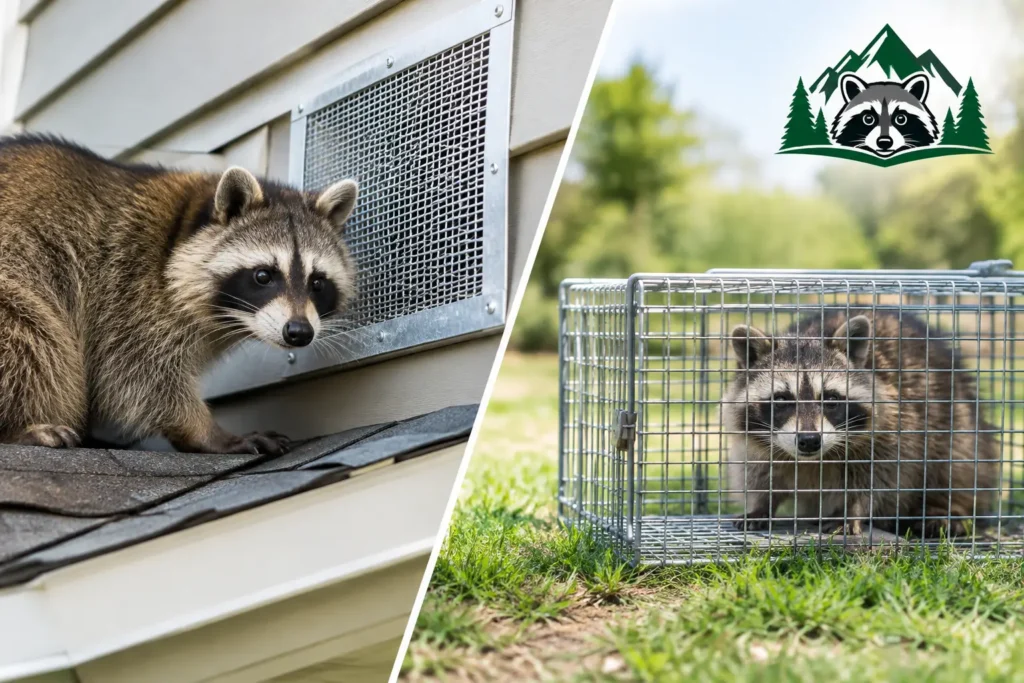
Trapping focuses on capturing or removing an animal that is already inside or actively using a property. Exclusion focuses on preventing animals from entering by locating and sealing access points. Both can have a role in responsible wildlife control, but they do different jobs.
Think of trapping as the immediate response and exclusion as the long-term protection. If an animal is trapped inside an attic, crawl space, chimney, or wall void, removal may be necessary before repairs can be completed. If the animal has an obvious outdoor food source or is simply passing through the area without entering the building, trapping may not be needed at all.
Exclusion is often the better answer for recurring nuisance wildlife because it changes the property conditions that made entry possible. Properly completed work can include securing vents, repairing gaps around rooflines, reinforcing vulnerable screens, closing openings around pipes and utility lines, and addressing damaged siding, eaves, or foundations.
When Trapping Is the Right First Step
Trapping can be appropriate when an animal is confirmed inside a structure and cannot leave on its own, or when active removal is needed before an entry point is sealed. For example, a raccoon living in an attic should not be locked inside by immediately closing the hole it used. A squirrel caught in a wall void also requires a careful plan that allows for safe removal without creating a bigger problem inside the home.
Humane trapping is not a set-it-and-forget-it service. It requires correct species identification, proper equipment, regular monitoring, and compliance with local and state wildlife regulations. Some animals have protected status, and relocation rules can be strict. Improper trapping can separate mothers from young, injure non-target animals, or leave the original entry point wide open for the next visitor.
Trapping may also be useful when a property has a specific, persistent animal causing damage outside. A skunk denning beneath a deck, for instance, may need active removal before the space can be secured. The goal should still be to resolve the conditions that attracted or sheltered the animal, not to rely on repeated trapping as the only strategy.
Why Exclusion Delivers Longer-Term Protection
A mountain home has plenty of features wildlife can use as an entry route: tall pines close to the roof, snow-damaged vents, aging wood trim, uncovered chimney openings, gaps beneath decks, and crawl-space access points. An animal does not need a large opening. Young rodents can enter through gaps that look too small to matter, while squirrels and raccoons can enlarge weak or damaged areas.
Effective exclusion begins with a detailed inspection. The goal is to find every active and potential access point, not just the hole where activity was first noticed. Technicians look for rub marks, nesting material, tracks, droppings, chewed wood, displaced insulation, stains near vents, and gaps around the roofline or foundation.
After inspection, the order of work matters. When an animal is still inside, a one-way exit device may allow it to leave while preventing re-entry. Once activity has stopped and the space is confirmed clear, durable repairs can be completed. This approach avoids trapping an animal inside while still protecting the building.
Quality exclusion is more than stuffing a hole with temporary material. Animals can chew through weak patching, pull apart loose screens, or reopen damaged wood. Repairs should be fitted to the location, the species pressure, and the way the structure is built. A rodent-proofing solution for a foundation gap is different from a bird barrier at a vent or a bat exclusion plan around roof flashing.
Mountain Properties Need a Different Level of Attention
In Big Bear Lake, Lake Arrowhead, Crestline, and nearby mountain communities, wildlife pressure can change with weather, seasonal food availability, construction activity, and occupancy patterns. A cabin that sits empty for weeks may be especially attractive to rodents looking for warmth and shelter. Heavy snow, wind, and fallen branches can also damage the very barriers that keep animals out.
That is why exclusion work should account for the entire property, not only the room where signs appeared. An attic infestation may start at a loose gable vent, but rodents may also be using a crawl-space opening or gaps behind exterior utility equipment. Closing one route while overlooking another leaves the property vulnerable.
Sanitation matters, too. Droppings, urine, nesting debris, and contaminated insulation can create odors that attract other animals and raise health concerns for occupants. Cleanup and disinfection are often necessary after removal, especially in attics, crawl spaces, storage rooms, and commercial back-of-house areas. Exclusion protects the repaired space, while sanitation helps restore it.
How to Decide Which Service You Need
The clearest question is not, “Should I trap or exclude?” It is, “Is an animal currently inside, and how did it get there?” If an animal is actively present in the structure, a removal plan may come first. If the animal has left but the building has open access points, exclusion should be the priority.
In many cases, the strongest approach combines both methods in the right sequence: humane removal or a one-way exit process, confirmation that the area is clear, cleanup where needed, and permanent block-out repairs. This protects the animal from being sealed in and protects the property owner from repeat invasions.
There are exceptions. During breeding seasons, young animals may be unable to leave with their mother. Bats and certain bird species also require species-specific timing and handling due to legal protections and conservation concerns. A quick repair that ignores these factors can create odor, noise, and animal welfare problems inside the building. Professional inspection is the safest way to identify what is happening before work begins.
A Humane Solution Still Protects Your Property
Humane wildlife removal does not mean tolerating damage, contamination, or unsafe conditions. It means using methods that are effective without relying on poison or harmful products. Poison can create secondary risks for pets and wildlife, leave animals dying in inaccessible areas, and fail to solve the entry problem that started the infestation.
Outbackzack approaches nuisance animal issues with both sides in mind: get the animal out safely, then make the property far less inviting to the next one. That may include exclusion repairs, rodent proofing, bird control, cleanup, and disinfection based on the specific conditions at the property.
If you hear movement in the attic, notice fresh droppings, find chewed entry points, or see animals repeatedly using the same part of your roof or foundation, act before minor damage becomes a larger repair. The most responsible wildlife plan is the one that gives the animal a safe way out and gives your home a strong reason to stay closed.