
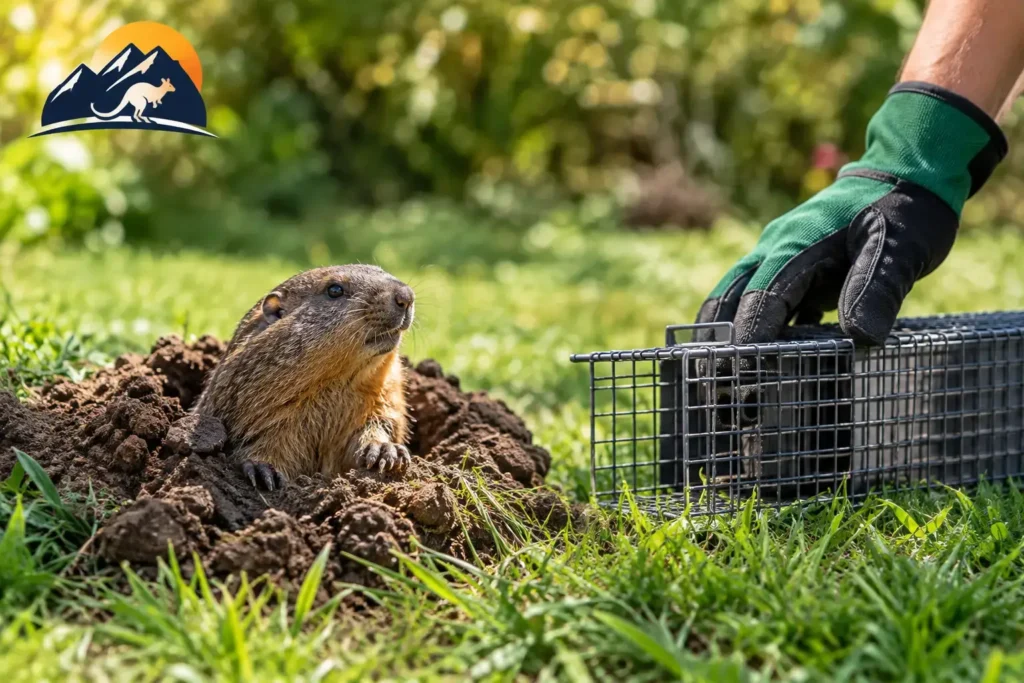
A fresh dirt mound beside a walkway can look minor until the ground sinks underfoot, irrigation lines fail, or a prized shrub suddenly wilts. To stop gopher damage, act when you see the first signs of activity rather than waiting for the tunnel system to spread beneath your lawn, garden, or foundation planting.
For homes, cabins, vacation rentals, and commercial properties in mountain communities, gophers are more than a landscaping nuisance. Their burrowing can undermine hardscapes, damage roots, disrupt watering systems, and create hazards in areas where guests, children, and pets walk. The answer is not to scatter poison around the property. A responsible solution begins with identifying active activity, protecting vulnerable areas, and using an eco-friendly control plan that respects the surrounding wildlife.
Know What Gopher Damage Looks Like
Pocket gophers spend most of their lives underground, so property owners may never see the animal itself. What they do see are fan-shaped or crescent-shaped mounds of loose soil, usually with the tunnel opening plugged. These mounds are different from molehills, which are often more volcano-shaped and may have a visible center opening.
Other clues include plants that lean or die without an obvious watering issue, roots that appear chewed off below ground, and soft or sunken soil near tunnels. A gopher can move a surprising amount of earth in a short time. One animal may create a large tunnel network, which is why the number of mounds does not always tell you how many gophers are present.
It also matters where the activity is happening. A few mounds in an open, unused corner of a large property call for a different response than tunnels directly beneath a garden bed, retaining wall, lawn irrigation zone, or rental property entrance. The goal is to protect the places where gopher activity creates real damage or safety concerns.
Why Poison Is a Poor Way to Stop Gopher Damage
Poison may sound like a quick fix, but it creates risks that do not stop at the tunnel. Pets can encounter bait or poisoned animals, and predators such as owls, hawks, foxes, and other wildlife can be harmed through secondary poisoning. That is an especially serious concern in wooded and semi-rural areas where wildlife is part of the community.
Poisons also fail to solve the reason gophers return. If roots, irrigated soil, and easy access remain available, another gopher can move into the same favorable area after the original activity stops. A property may look quiet for a few weeks, then develop new mounds along the same fence line or garden edge.
Humane, eco-conscious gopher control focuses on the problem at the property level. It assesses active tunnels, protects high-value landscaping, and reduces opportunities for repeat activity without leaving harmful products in the soil.
Start With an Active-Tunnel Assessment
Before taking action, confirm which tunnels are active. Gophers may maintain old sections of a burrow system even after moving their main feeding area. Treating every old mound wastes time and can make it harder to understand where current activity is concentrated.
A professional inspection can identify fresh mounds, main tunnel runs, feeding tunnels, drainage routes, and the features that may be attracting activity. This is particularly valuable around mountain homes, where sloped lots, dense landscaping, seasonal moisture, and nearby undeveloped land can create multiple entry routes.
Do not rely on surface mounds alone. The visible dirt is only the result of digging. The active tunnel system can extend well beyond the most recent mound, and a gopher may shift its feeding activity as vegetation and soil moisture change.
Protect the areas that matter most
Gophers feed on roots, tubers, bulbs, and other underground plant material. They are often drawn to irrigated beds, vegetable gardens, ornamental plantings, and lawns with soft, workable soil. Removing every appealing plant is neither realistic nor necessary. Instead, focus on protecting the areas where damage would be expensive or difficult to repair.
For new trees, shrubs, and individual high-value plants, underground wire baskets or root barriers can prevent gophers from reaching the root ball. Use a durable material designed for below-ground use, and make sure the barrier extends above the soil line enough to discourage digging over the top. The right installation depth depends on the plant and site conditions, so poor placement can leave an easy path underneath.
Raised garden beds can also benefit from a properly installed wire barrier beneath the soil. This is often more reliable than trying to make the entire yard unattractive to gophers. In a vegetable garden, physical protection is usually the best long-term investment because it guards the plants you care about most.
Repair Conditions That Make Damage Worse
Gophers are capable diggers, but some property conditions make their activity more damaging. Leaking irrigation lines, oversaturated garden beds, and unprotected utility trenches can create loose soil and steady moisture that encourage burrowing near structures and landscaping.
Walk the property after watering or rainfall. Look for wet spots, unexplained pooling, and areas where soil collapses or settles. If a mound appears repeatedly near an irrigation valve, pipe, or sprinkler line, inspect the system for a leak. Repairing the water issue may not remove an established gopher on its own, but it can reduce the appeal of that area and prevent a small problem from becoming an expensive repair.
Keep groundcover and garden edges maintained so fresh mounds are easier to spot. This is not because gophers need tall grass to survive. It is because early detection gives you a better chance to respond before the tunnels extend into planting beds, walkways, and irrigated turf.
Avoid relying on home remedies such as flooding tunnels, placing strong odors in burrows, or using vibration stakes as a complete solution. Results are inconsistent, and flooding can cause soil erosion or drive the animal into another part of the property. Repellents may have limited value in specific situations, but they rarely provide lasting protection when a food source and suitable soil are already present.
Use a Humane, Site-Specific Control Plan
There is no single approach that works for every gopher problem. The best plan depends on whether the property has one active area or widespread activity, whether the site is a landscaped residence or a large commercial lot, and how close the tunnels are to pets, gardens, structures, and wildlife habitat.
A trained wildlife professional can determine the most responsible way to address active gophers while following local requirements and avoiding unnecessary harm. This matters because gophers are territorial, conditions change seasonally, and improper DIY methods can simply shift the problem to a new corner of the yard.
For recurring activity, control should be paired with exclusion and monitoring. Physical barriers protect the highest-risk plants. Tunnel and mound monitoring identifies new activity early. Irrigation repairs and landscape adjustments reduce the conditions that support repeat burrowing. Together, these steps are more dependable than reacting to every new mound as a separate emergency.
Outbackzack approaches nuisance wildlife problems with the same priority property owners have: protect the home, protect the landscape, and avoid harmful methods that put pets and local wildlife at risk. For properties in Big Bear Lake, Lake Arrowhead, Crestline, Running Springs, and nearby communities, local knowledge matters because soil, slopes, vegetation, and wildlife pressure vary from one neighborhood to the next.
When to Call for Professional Gopher Help
Call for an inspection when fresh mounds keep appearing after you flatten or monitor them, when plants are dying from root damage, or when tunnels are developing near patios, retaining walls, driveways, irrigation systems, or building foundations. Property managers should also act quickly when burrows create trip hazards around common areas, walkways, or guest spaces.
A professional response is especially worthwhile when the property borders open land or has a history of repeat activity. These sites need a prevention strategy, not just a one-time reaction. The right plan protects your vulnerable landscaping while keeping the bigger property environment in mind.
A gopher problem does not have to turn into damaged gardens, unstable soil, and repeated repair bills. Address the fresh signs early, protect the plants and structures that matter most, and choose a humane solution that keeps poison out of the landscape.