
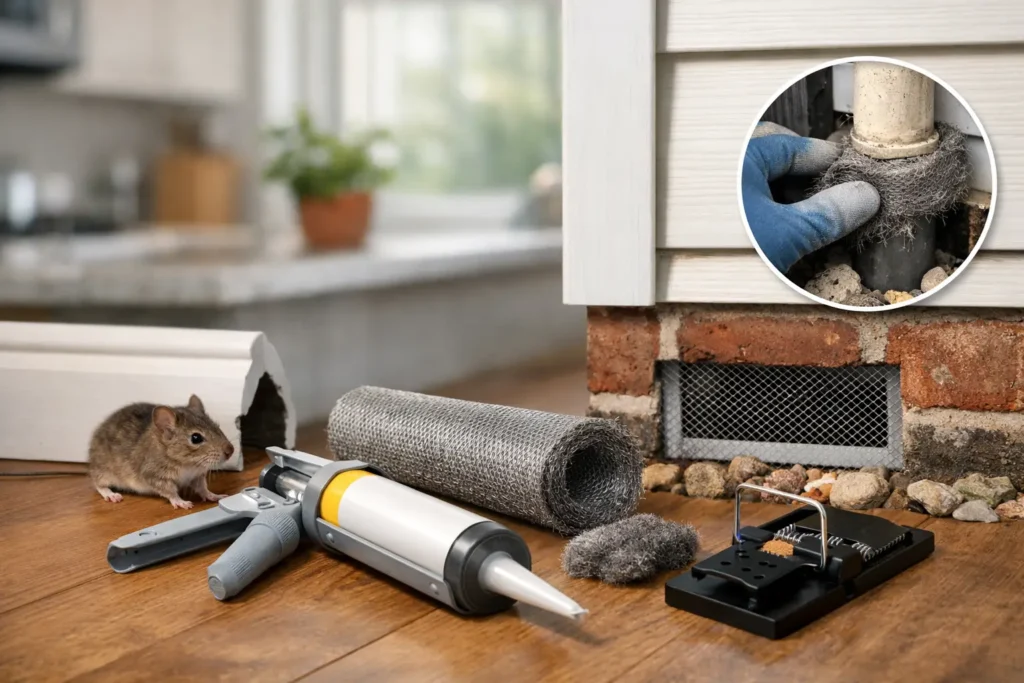
That scratching in the wall at 2 a.m. usually starts small. A mouse slips in through a gap near the foundation, finds warmth in the crawl space, and suddenly your cabin, rental, or family home becomes a shelter. The best ways to rodent proof are not complicated, but they do require thorough work, especially in mountain communities where colder weather, wooded lots, and seasonal vacancies make properties more vulnerable.
In places like Big Bear, Lake Arrowhead, Running Springs, and Crestline, rodent pressure is not just a winter issue. Mice and rats look for water, food, nesting material, and quiet hiding spots year-round. If a home has one easy opening, cluttered storage, or a garage door that does not seal tight, they will find it.
The best ways to rodent proof start outside
Rodent proofing works best when you think like a rodent. Mice can squeeze through openings as small as a dime, and rats do not need much more. That means the first job is not setting traps. It is identifying every access point around the exterior of the structure.
Walk the property slowly and check rooflines, eaves, attic vents, crawl space vents, utility penetrations, garage corners, door thresholds, and the joint where the foundation meets the siding. In mountain homes, wood shrinkage, shifting foundations, weather damage, and aging repairs often create entry points that are easy to miss until droppings or gnaw marks show up indoors.
The right repair depends on the opening. Metal flashing, heavy-duty screening, proper vent covers, concrete patching, and rodent-resistant sealants all have their place. Expanding foam alone is not enough for an active rodent problem because mice and rats can chew through it. If a gap is large enough to admit light or air, it deserves a closer look.
Doors, garages, and under-deck areas matter more than most owners expect
A lot of infestations start in garages, especially in homes that store pet food, holiday decorations, or cardboard boxes. If the bottom seal on the garage door is cracked or uneven, rodents can get in with very little effort. The same goes for side doors that do not close flush and older sheds with warped frames.
Under decks and raised foundations, rodents get cover from weather and predators. Once they are established there, it is a short trip into crawl spaces, wall voids, and attics. Closing off those sheltered areas with proper exclusion materials can make a major difference.
Remove the food and water sources that keep rodents around
Even the best exclusion work gets tested if rodents have a reason to stay nearby. Food and water are the biggest reasons they keep coming back.
Inside the home, dry goods should be stored in sealed containers, not thin bags or cardboard. Pet food should not sit out overnight in garages, mudrooms, or laundry areas. Crumbs under appliances, grease around stoves, and bird seed stored in bags all create reliable feeding spots.
Outside, trash cans need tight-fitting lids, and outdoor cooking areas should be kept clean. Fallen fruit, unsecured compost, and scattered seed from bird feeders can support rodent activity close to the structure. Bird feeding is common in mountain communities, but placement matters. If feeders are too close to the house, spilled seed can attract mice and rats straight to your foundation.
Water is just as important. Leaky hose bibs, irrigation drips, pet bowls left outside overnight, and condensation issues under sinks can all support rodent activity. A property does not need a large water source to become attractive.
Best ways to rodent proof attics, crawl spaces, and storage zones
Rodents love quiet, undisturbed spaces. That is why attics, crawl spaces, basements, and utility rooms are high-risk zones even in clean homes.
In attics, look for insulation disturbance, dark rub marks along beams, droppings, and chewed wiring. In crawl spaces, check for burrowing, nesting material, and entry points around pipes and vents. Storage areas should be organized so that nothing sits directly against walls for long periods. Cardboard is especially inviting because it offers both shelter and nesting material.
Plastic bins with secure lids are better than boxes. Firewood should be stacked off the ground and away from the home when possible. If you own a vacation rental or part-time cabin, this matters even more. Empty buildings give rodents long stretches of quiet time to settle in before anyone notices.
Insulation and contamination are part of the problem
Rodent proofing is not just about keeping animals out. It is also about addressing what they leave behind. Droppings, urine, nesting material, and contaminated insulation can create odor trails that attract new activity. They also raise health and sanitation concerns.
If an attic or crawl space has been heavily used by rodents, sealing entry points without cleanup can leave you with lingering smells and ongoing contamination. In those cases, sanitation and damaged material removal are part of proper prevention.
Landscaping can either help or hurt your rodent proofing plan
A lot of homeowners focus on the building and overlook the yard. But rodents use landscaping as cover while they travel.
Dense shrubs against the house, ivy climbing exterior walls, wood piles near the foundation, and thick ground cover all give rodents safe movement routes. Tree branches touching the roof can act as bridges into upper portions of the home. In mountain neighborhoods with mature trees and natural vegetation, this is a common issue.
You do not need to strip the property bare. The goal is to reduce direct access and hiding spots. Trim vegetation back from the structure, remove debris piles, and keep a cleaner perimeter around the home. It is a practical balance between preserving the natural setting and protecting the building.
Humane control works best when paired with exclusion
If rodents are already active, prevention alone is not enough. You have to remove the current population and close the access points that allowed them in. Otherwise, you get a short break followed by the same problem all over again.
This is where a lot of do-it-yourself efforts fail. Traps may catch a few mice, but if the home still has open entry points and attractants, new rodents simply replace them. Poison brings its own problems, especially in eco-sensitive mountain areas where non-target wildlife, pets, and even birds of prey can be harmed. It can also leave dead rodents in walls, creating odor and cleanup issues.
A better approach is targeted, humane control combined with professional exclusion and sanitation. That protects the structure while reducing unnecessary harm to wildlife and the surrounding environment.
Seasonal rodent proofing matters in mountain communities
Weather shifts change rodent behavior. In colder months, homes become shelter. In spring and summer, garages, crawl spaces, sheds, and outbuildings often see more movement as food and nesting patterns change.
That means rodent proofing should not be a one-time reaction after you hear noises. It should be checked seasonally, especially before winter and after storms. Snow, wind, and moisture can loosen materials, warp wood, and open new gaps around roofs, vents, and utility lines.
For second homes, vacation rentals, and commercial properties, scheduled inspections are worth the effort. Rodent issues grow fast in buildings that are not occupied every day.
When to bring in a local rodent proofing expert
Some problems are straightforward. A single door sweep replacement and better food storage may solve the issue. Others involve multiple entry points, attic contamination, damaged vents, or recurring activity that keeps returning despite cleanup.
If you are finding droppings in more than one area, hearing movement in walls or ceilings, noticing insulation damage, or seeing signs around both the exterior and interior, it is time for a full inspection. The same is true if the property is older, heavily wooded, or has been vacant for part of the season.
A local company that understands mountain construction and wildlife behavior can usually spot vulnerabilities faster than a general handyman approach. Outbackzack handles this with humane removal, cleanup, exclusion, and rodent proofing designed for the realities of Southern California mountain properties.
The strongest rodent proofing plan is the one that deals with the whole picture – entry points, food, water, shelter, contamination, and ongoing monitoring. When you close those gaps early, you are not just preventing noise in the walls. You are protecting your wiring, insulation, air quality, and peace of mind before a small problem turns into a costly one.