A Lake Arrowhead pest guide has to account for more than the occasional ant trail or mouse in the garage. Homes here sit close to pine forest, rocky slopes, changing weather, and active wildlife corridors. That makes cabins, vacation rentals, garages, crawl spaces, attics, and sheds especially inviting when animals need warmth, food, water, or shelter.
The first scratch in the ceiling or droppings under a sink can feel like a small problem. In mountain properties, it rarely stays small for long. The right response protects your building, your family or guests, and the wildlife that belongs outdoors – without relying on poison or harmful removal methods.
Why Mountain Homes Attract Pests
Lake Arrowhead properties often have the exact features nuisance animals seek: wooded lots, rooflines near tree branches, open vents, stored firewood, seasonal vacancy, and quiet areas beneath decks. A small exterior gap can become an entry point for mice. An uncapped chimney may attract birds or squirrels. Moisture beneath a cabin can support insects and draw animals looking for water.
Seasonal changes matter, too. Rodents and wildlife tend to test structures more aggressively as nights turn cold or natural food sources become less predictable. During warmer months, insects, birds, and gophers can create their own set of problems around eaves, landscaping, foundations, and outdoor living areas.
This does not mean every animal near your property is a threat. Seeing a squirrel in a tree or a raccoon passing through the yard is normal mountain life. The concern begins when an animal enters the structure, damages it, leaves droppings, creates a fire risk, or returns repeatedly.
Lake Arrowhead Pest Guide: Know the Warning Signs
Early detection is the difference between a straightforward exclusion repair and a larger cleanup project. Do not wait for visible damage inside the living area. Check the exterior, attic access points, basement or crawl space, garage, and areas around utilities on a regular basis.
Rodents: Mice and Rats
Mice and rats can enter through remarkably small openings, then travel through walls, insulation, cabinets, and ceilings. Their droppings, gnaw marks, shredded nesting material, musky odor, and nighttime scratching are common clues. You may also notice chewed wiring, damaged food packaging, or grease marks along walls and baseboards.
Rodents are not a problem to ignore because they can contaminate stored items and create serious damage over time. Poison may seem like a fast answer, but it can create secondary risks for wildlife and pets and may leave an animal to die inside a wall or inaccessible area. Removal and exclusion work address the cause more responsibly.
Raccoons, Skunks, Squirrels, and Bats
Heavy footsteps or loud thumping in an attic can point to raccoons. A strong odor near a crawl space, shed, or deck may indicate skunk activity. Squirrels often announce themselves with fast daytime scratching, chewing, and damage near roof edges, vents, or fascia boards. Bat activity may show up as small droppings beneath a roosting point, staining around an opening, or movement near dusk.
Each animal requires a different approach. Closing a gap before confirming that animals are out can trap them inside, separate young from their mothers, or push them farther into the building. Humane removal starts with a careful inspection, proper timing, and a plan to prevent re-entry after the animal has safely exited.
Birds Around Eaves, Roofs, and Vents
Woodpeckers can damage siding and trim while searching for insects or establishing territory. Swallows may build mud nests along eaves, while pigeons and sparrows can create persistent droppings and nesting debris around ledges, vents, and rooftop equipment.
Bird issues are often misunderstood as a cleanup problem only. Droppings and nesting material can block vents, attract insects, stain surfaces, and create sanitation concerns. Humane bird control focuses on lawful deterrence, exclusion, cleanup, and repairs that make the site less attractive without causing harm.
Insects and Outdoor Pests
Ants, spiders, wasps, and other insects can become more noticeable around mountain homes when food, moisture, and protected gaps are available. Look for activity around exterior doors, windows, woodpiles, plumbing penetrations, trash areas, and low-hanging branches. A sudden increase in insects can also signal a moisture issue or hidden void that deserves attention.
Prevent Problems Before They Move In
The strongest pest control plan is built around exclusion. In other words, make the structure difficult to enter while keeping the property clean, dry, and less attractive to animals. This takes more than setting a trap after activity starts.
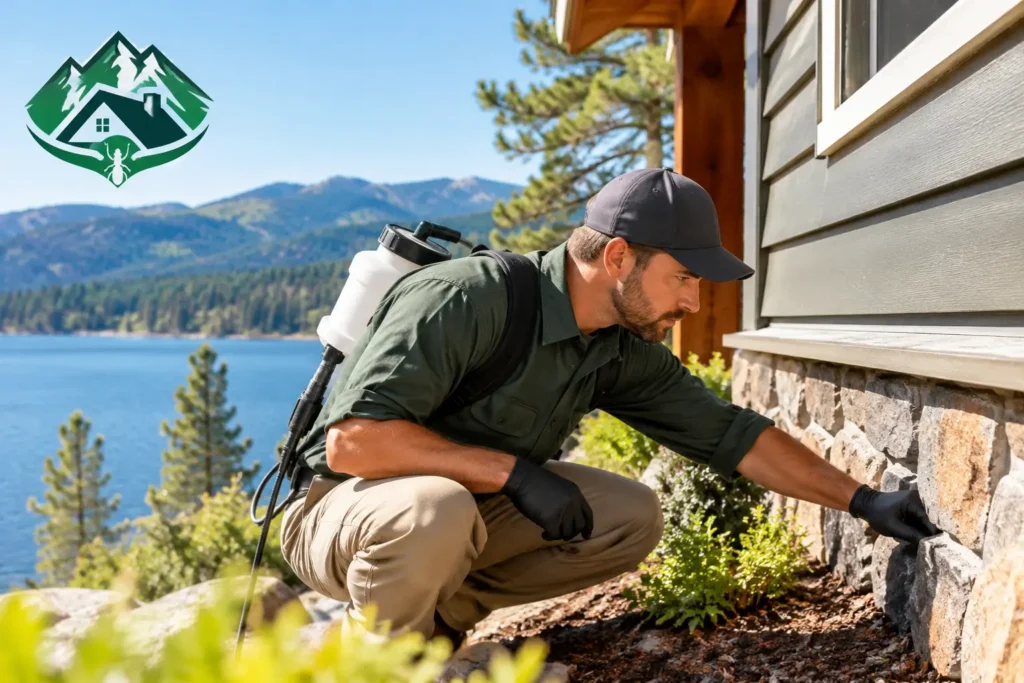
Walk the perimeter of your home and look closely at vents, roof returns, soffits, chimney openings, utility lines, foundation gaps, and crawl-space access doors. Torn screens, loose flashing, warped trim, and openings around pipes deserve prompt repair. Trees and shrubs should be trimmed back from the roofline where practical, since overhanging branches can provide easy access to upper levels.
Keep trash containers secured, avoid leaving pet food outside, and store birdseed, pantry goods, and animal feed in sealed containers. Firewood should be stacked away from the home and raised off the ground when possible. These simple steps reduce hiding places for insects and rodents while making food less available.
Vacation homes need extra attention. Before leaving for several weeks, inspect for leaks, remove food, secure trash, check doors and windows, and ask a trusted person to watch for unusual sounds, odors, or exterior damage. A vacant property gives pests time to settle in unnoticed.
What to Do When You Find Activity
Start by avoiding the temptation to seal every hole immediately. If an animal is already inside, an unplanned repair can make the situation worse. Take note of where you hear or see activity, whether it occurs during the day or at night, and whether you see droppings, damaged materials, or tracks.
Avoid handling droppings, nests, or dead animals without proper protection. Disturbing contaminated material can spread debris through the air, and surface cleaning alone may not address what is hidden in insulation, wall voids, or crawl spaces. Professional cleanup and disinfection may be appropriate after rodents, birds, or wildlife have occupied a space.
A qualified local inspection can identify the species, locate entry points, assess damage, and recommend a humane solution. Outbackzack approaches nuisance animal and pest concerns with removal, exclusion, block-out repairs, rodent proofing, cleanup, and disinfection designed for mountain properties – without poison or harmful products.
Property Managers: Protect Guests and Buildings
For vacation rentals, lodges, retail spaces, and multifamily properties, pest activity can quickly affect guest comfort and your reputation. A guest who hears scratching in a bedroom wall or finds droppings in a storage area expects a fast, professional response.
Build exterior pest checks into turnover and maintenance routines. Document visible gaps, roof damage, bird nesting areas, moisture issues, and signs of rodents before they grow into an emergency. When activity is confirmed, address the animal, the access point, and the cleanup together. Removing only the visible problem leaves the door open for the next one.
A mountain home should feel like shelter, not shelter for pests. Paying attention to small signs now gives you the best chance to keep wildlife where it belongs and your property clean, protected, and ready to enjoy.