A bird roosting above a storefront sign or nesting inside a cabin vent can become more than a noisy inconvenience. Bird exclusion is the practical, humane way to keep birds from entering or settling in the parts of your property where they can cause damage, leave hazardous droppings, and return season after season.
For homes, vacation rentals, and commercial buildings in mountain communities, prevention matters as much as removal. Once birds find a sheltered eave, attic opening, chimney, or beam, they tend to treat it as a reliable site. The right exclusion work changes that pattern without using poison, harmful products, or unnecessary force.
What Bird Exclusion Actually Does
Bird exclusion means identifying how birds are accessing a building and installing physical barriers that keep them out. It is not a single product or a quick patch. Effective work starts with an inspection of the structure, the bird activity, and the conditions that are attracting birds in the first place.
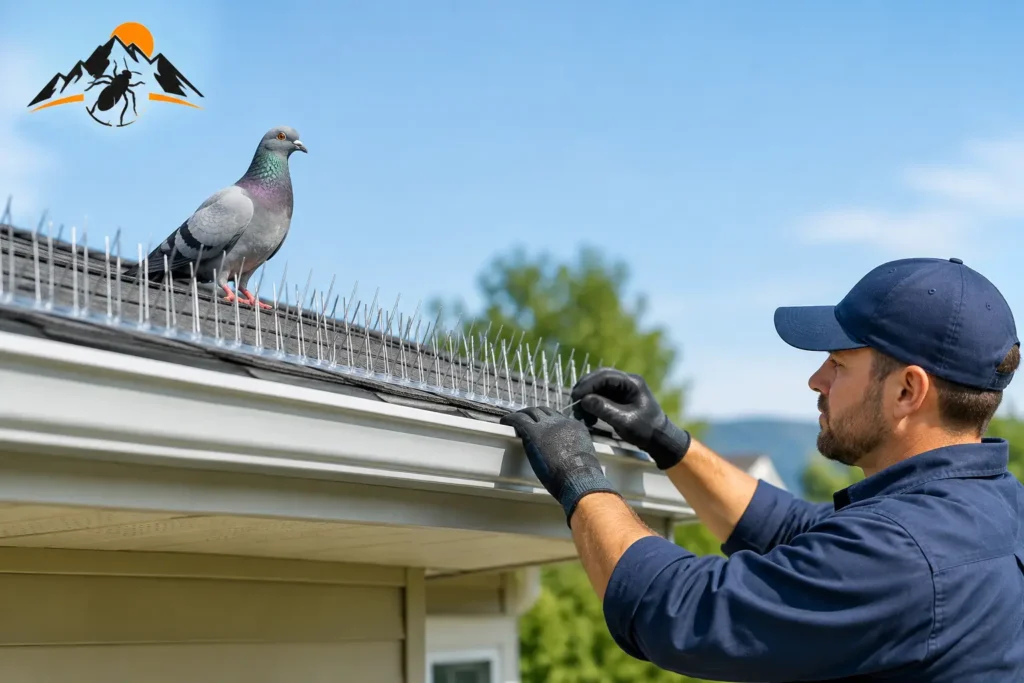
Depending on the property, exclusion may involve screening a vent, sealing a gap near the roofline, repairing damaged fascia, closing an opening around utility lines, or fitting a chimney cap. On larger commercial buildings, the solution may include professionally installed netting or ledge barriers in a targeted area. The goal is simple: birds should be able to continue living outdoors, just not inside your attic, under your awning, or above the entrance customers use every day.
This distinction matters. A bird-control plan that only chases birds away may provide a few quiet days, but it does not fix the access point. If the gap remains open, the next bird will find it. Exclusion addresses the reason the problem keeps coming back.
Why Mountain Properties Need Bird Prevention
Big Bear Lake, Lake Arrowhead, Crestline, and surrounding communities offer the cover, food sources, and changing weather conditions that make structures attractive to birds. Cabins that sit vacant between visits can be especially appealing. A loose vent cover or small opening may go unnoticed until nesting material, droppings, or bird sounds inside a wall make the problem obvious.
Woodpeckers may damage siding, trim, and fascia as they search for insects or establish territory. Swallows often build mud nests under eaves and over doorways. Pigeons and sparrows can gather beneath solar panels, on rooflines, and in covered commercial areas. Each situation calls for a different approach because the access point, damage pattern, and legal considerations can vary.
Bird droppings are not just an appearance issue. Accumulation can stain paint, corrode some materials, create slippery walkways, clog drains, and contaminate storage areas. Nesting debris can also block vents and create moisture problems. For property managers, these issues can turn into tenant complaints, maintenance costs, and avoidable safety concerns.
The problem with waiting
Small bird activity often looks manageable at first. One nest under an eave or a few birds on a roof may not seem urgent. But birds leave scent cues and nesting material behind, which can encourage repeat activity. As debris accumulates, a simple repair can become a cleanup, sanitation, and repair project.
Waiting is particularly risky when birds are entering an attic or wall void. Their nesting material can attract insects, hold moisture, and interfere with airflow. The earlier the entry point is found and addressed, the more options there are for a clean, humane solution.
A Humane Bird Exclusion Process
Humane wildlife control does not mean ignoring property damage. It means solving the issue in a way that protects the building while respecting the animal and following appropriate nesting protections. A careful process avoids trapping birds inside, avoids harmful chemicals, and focuses on long-term prevention.
First, the property should be inspected from the ground up. This includes roof edges, attic vents, gable vents, chimneys, siding gaps, damaged screens, soffits, awnings, and areas behind equipment or signage. Signs such as feathers, droppings, mud nests, nesting material, peck marks, and repeated flight paths help identify where birds are active.
Next, the type of bird and nest status must be considered. Some birds and active nests are protected, so timing matters. Sealing an active nest or blocking birds inside a structure is never an acceptable fix. A trained wildlife professional can determine whether the site should be monitored until young birds leave, or whether exclusion can proceed immediately without harming birds.
After birds have safely moved out, repairs and barriers are installed to match the structure. This may be a fitted vent guard, hardware cloth behind a damaged opening, a properly sized chimney cap, or repaired trim that removes a gap birds have been using. Materials should be secured well enough to handle snow, wind, temperature swings, and the persistent pecking or probing that can occur around a former nest site.
Finally, affected areas may need cleanup and disinfection. Removing old nesting material and droppings helps reduce odor, contamination, and the conditions that signal a site is available for reuse. It also gives property owners a cleaner starting point after the repair is complete.
Why DIY Bird Barriers Often Fall Short
A roll of mesh or a can of expanding foam can look like an easy answer, but bird control is one of those jobs where details make the difference. Improperly installed screening can leave a gap at the edge. Foam can deteriorate, look unsightly, or trap moisture when used in the wrong location. A barrier that is too loose may become a hazard rather than a solution.
The biggest concern is timing. If birds, eggs, or young are present, a do-it-yourself repair can create a serious problem quickly. Homeowners may also miss secondary entry points. Birds frequently use more than one opening, especially around aging rooflines, attic vents, and chimneys.
There is also a trade-off between appearance and durability. A highly visible barrier may be effective but unsuitable for a front-facing entry or historic-style cabin. A professional can recommend options that protect the property while keeping the finished work as discreet as possible.
Situations that deserve fast attention
Call for an inspection when you hear scratching, fluttering, or chirping inside a wall or attic; see birds repeatedly entering the same gap; notice droppings building up on walkways; find a nest near a vent; or see damage around fascia and roof edges. Commercial properties should also act quickly when birds are nesting near customer entrances, food-service areas, loading zones, or outdoor seating.
These situations do not always require emergency removal, but they do require a timely assessment. The right response can prevent a seasonal nesting issue from becoming a recurring building-maintenance problem.
Bird Exclusion for Homes, Cabins, and Businesses
The best bird exclusion plan fits how the property is used. A full-time residence may need attic and roofline protection. A vacation cabin may need a thorough inspection before peak rental season, especially after winter weather has shifted materials or opened gaps. A retail or hospitality property may need discreet control around signage, awnings, roof equipment, and entryways.
Outbackzack approaches bird problems with the same principle used for all nuisance wildlife work: be tough on the access point, not harmful to the animal. That means no poison and no harmful products. The focus is on humane removal when needed, durable block-out repairs, cleanup, sanitation, and prevention that holds up over time.
A good exclusion repair should not simply make the birds move to the next weak spot. It should improve the building’s overall resistance to future activity. During an inspection, it makes sense to look beyond the obvious nest and identify vulnerable vents, loose screens, damaged trim, and roofline gaps before they become the next invitation.
If birds have made part of your property their regular shelter, do not wait for another nesting season to prove the problem is still there. A careful inspection and humane exclusion plan can restore a clean, quiet space while leaving wildlife where it belongs: outside.