
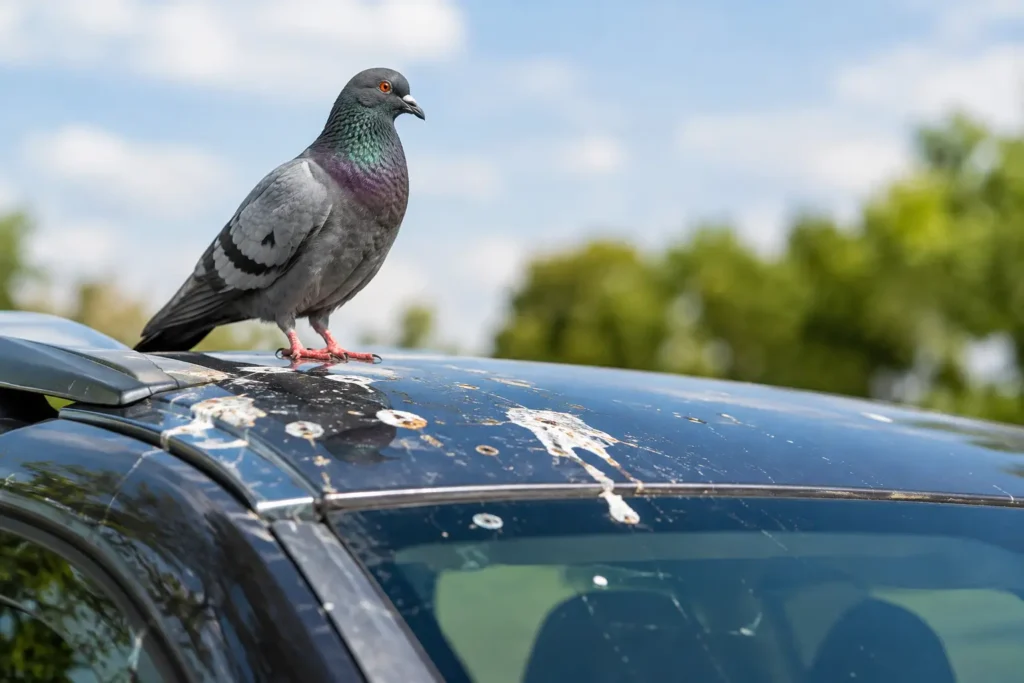
A few bird droppings on a deck rail are usually a cleaning chore. A growing layer beneath a roofline, inside an attic, or around a vacation rental is a different problem. Are bird droppings hazardous? They can be, especially when droppings accumulate, dry out, become airborne, or contaminate areas where people live, work, store belongings, or prepare food.
For homeowners and property managers in Big Bear, Lake Arrowhead, Running Springs, and nearby mountain communities, bird activity often increases around eaves, chimneys, vents, sheds, solar panels, and covered porches. The visible mess is only one part of the issue. Persistent bird roosting can create sanitation concerns, damage building materials, attract secondary pests, and signal an entry point that needs to be professionally sealed.
Are Bird Droppings Hazardous to People?
The risk depends on the amount of droppings, the location, the bird species, and how cleanup is handled. Small, fresh deposits outdoors are generally less concerning than a large, dry accumulation in an enclosed or poorly ventilated space. The biggest avoidable mistake is disturbing dry droppings by sweeping, brushing, leaf blowing, or vacuuming them without proper containment.
When dried waste is broken apart, fine dust can become airborne. That dust may contain fungi, bacteria, or other contaminants that can irritate the eyes and respiratory system. In some circumstances, exposure to bird-dropping dust has been associated with illnesses such as histoplasmosis, cryptococcosis, and psittacosis. These infections are not the likely outcome of every encounter with bird waste, but heavy buildup and repeated exposure raise the concern.
People with asthma, chronic lung conditions, weakened immune systems, or allergies should be particularly cautious. Young children, older adults, and maintenance workers who repeatedly clean rooflines, attics, or commercial loading areas also deserve extra protection. If someone develops flu-like symptoms, coughing, shortness of breath, or fever after disturbing a large amount of bird waste, they should contact a medical professional and explain the exposure.
Bird droppings can also create a direct hygiene problem. Waste on outdoor tables, walkways, playground equipment, railing tops, or HVAC components can be transferred to hands, shoes, food packaging, and other surfaces. That makes prompt, controlled cleanup a sensible part of property maintenance.
The Property Risks Often Start Before Cleanup
Bird droppings are acidic. Over time, frequent deposits can stain siding, discolor paint, damage roof coatings, and etch certain finishes on vehicles, patio furniture, signs, and solar equipment. On a roof, droppings and nesting material can trap moisture near flashing, vents, gutters, and shingles. That does not mean every bird visit causes damage, but an established roost can turn a minor maintenance task into a costly repair.
Gutters are another common trouble spot. Nesting material, feathers, and droppings can restrict drainage, causing water to spill where it should not. In mountain communities, that added moisture can worsen problems around fascia boards, eaves, and exterior walls. A blocked vent can also affect airflow and create a convenient shelter for birds, rodents, or insects.
Heavy deposits on steps, decks, and walkways create slip hazards when wet. At commercial properties, cabins, and short-term rentals, the appearance matters too. Guests and customers notice droppings around entrances immediately, and an untreated roost above a doorway can become a recurring sanitation complaint.
Droppings Can Support Secondary Pest Problems
Bird nests and droppings can provide shelter or food sources for insects and other nuisance pests. Bird mites, fleas, beetles, flies, and ants may become more noticeable near an active nest or an abandoned nesting site. If birds gain access to an attic, the problem can include feathers, nesting debris, odor, insects, and contamination of insulation.
This is why removing visible droppings without addressing the roosting location often fails. The birds return, the waste returns, and the same vulnerable opening remains available. Effective bird control pairs cleanup with exclusion and practical prevention.
How to Handle Small Amounts of Bird Droppings Safely
For a limited amount of waste on an outdoor surface, avoid creating dust. Wear disposable gloves and use a properly fitted mask, especially if the material is dry or the area has poor ventilation. Lightly wet the droppings with water or an appropriate cleaner first, then wipe them up with disposable towels. Bag the waste before placing it in the trash, and clean the surface afterward.
Do not dry sweep, use a leaf blower, or pressure wash droppings from a position that sends contaminated spray or debris toward your face, open windows, air intakes, or neighboring properties. Do not use a regular household vacuum on dry bird waste. These methods can spread fine particles rather than contain them.
Wash your hands thoroughly after cleanup, even if gloves were worn. Keep pets and children away from the area until the surface is cleaned and dry. If droppings have landed on food-preparation surfaces, outdoor dining furniture, or children’s play equipment, disinfect those surfaces according to the product instructions.
When Bird Dropping Cleanup Should Be Left to a Professional
A professional cleanup is the safer choice when droppings are widespread, located in an attic or crawlspace, found near HVAC equipment, or mixed with nest material and dead birds. The same applies when waste has been present long enough to create strong odors, stained materials, insect activity, or suspected insulation contamination.
Property owners should also avoid attempting to remove birds from an active nest without understanding the legal and seasonal considerations. Many native bird species are protected, and active nests with eggs or young may require a different timeline than an empty roost. Humane bird control means identifying the species and condition of the nest before exclusion work begins.
At Outbackzack, bird removal work is approached as a complete property-protection service: identify the species and access points, address the roost or nesting issue humanely, remove contamination where appropriate, disinfect affected areas, and perform block-out repairs that help keep birds from returning. This is particularly valuable for cabins and seasonal properties, where an unnoticed opening can become a nesting site between visits.
Prevention Is the Best Defense Against Bird Waste
The most reliable way to reduce hazardous bird droppings is to stop recurring roosting without harming wildlife. The right solution depends on the bird and the structure. Pigeons may gather on ledges and rooflines, while sparrows and swallows may use eaves, vents, and small gaps. Woodpeckers can damage siding as they search for insects or establish territory.
A thorough inspection should look beyond the obvious droppings. Check damaged vent covers, loose screens, roof gaps, open chimneys, attic vents, soffits, and areas behind signs or equipment. Birds choose protected locations that offer shelter from weather and predators. Closing access points after birds are safely out is far more effective than repeatedly cleaning the same surface.
For commercial buildings, prevention may also include managing food waste, keeping dumpsters closed, reducing standing water, and correcting gaps around loading areas. For homes, trimming branches that provide easy roof access and repairing damaged exterior materials can make a meaningful difference. The goal is not to eliminate birds from the mountain environment. It is to keep them from nesting and roosting where they create health or property concerns.
If bird waste is collecting around your home, cabin, rental, or business, treat it as an early warning rather than a cosmetic inconvenience. A timely inspection can protect your building, reduce contamination, and give wildlife a humane reason to move elsewhere.