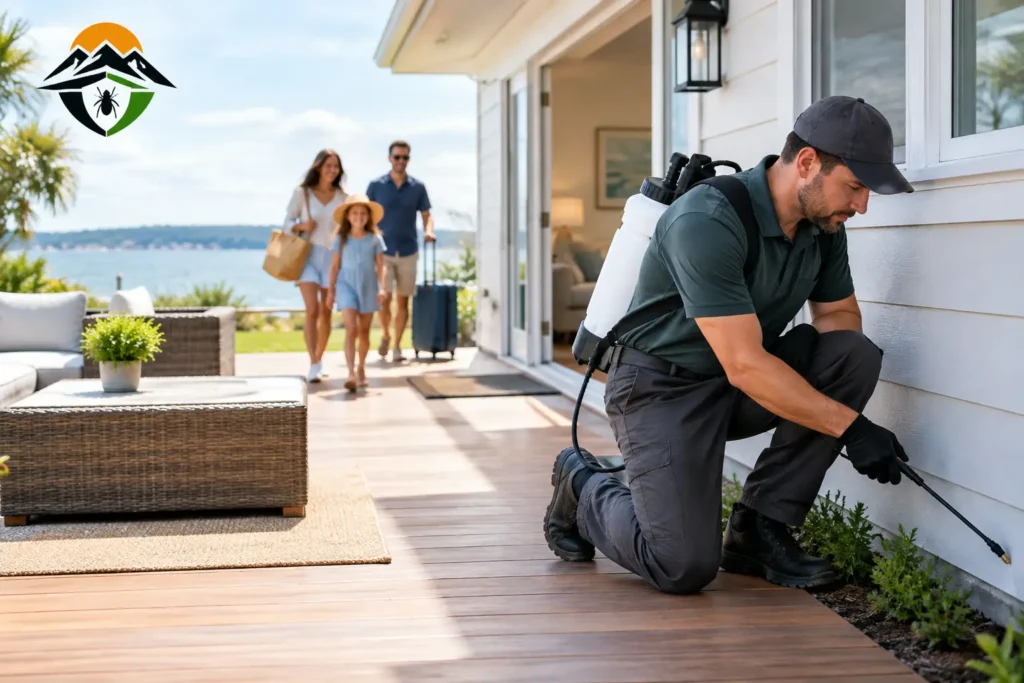
A guest finds mouse droppings beneath the kitchen sink on the first night of a long-planned mountain getaway. A squirrel scratches in the ceiling before sunrise. A wasp nest appears beside the deck just as a family arrives. For vacation rental owners, these are not minor maintenance issues. They can lead to refunds, poor reviews, canceled bookings, property damage, and real health concerns.
Effective vacation rental pest management protects the guest experience while addressing the conditions that invited the problem in the first place. In mountain communities, where cabins sit close to forested habitat and seasonal occupancy can leave buildings quiet for days or weeks, that means more than placing a trap or spraying an insect. It means humane removal, careful sanitation, and durable exclusion work.
Why Vacation Rentals Need a Different Pest Strategy
A primary residence gives homeowners daily opportunities to spot a problem. They notice a new scratch sound, a chewed food package, or an insect trail before it grows. A vacation rental may sit vacant between turnovers, particularly during slower seasons. Rodents, birds, raccoons, squirrels, bats, and insects can use that quiet time to investigate openings and establish shelter.
The guest turnover itself also creates pressure. Open doors during unloading, outdoor dining, overflowing trash, pet food, and crumbs under furniture all create easy opportunities for pests. One guest may never notice a gap around a utility line. The next may hear a mouse in the wall and document it in a review.
Mountain cabins have their own vulnerabilities. Wood siding, crawl spaces, rooflines, decks, chimneys, attic vents, and aging weatherproofing can all provide access. Cold weather drives animals toward warm shelter, while spring and summer increase bird nesting and insect activity. The right response depends on the animal, the season, and the structure. A generic treatment plan rarely addresses all three.
The Cost of Waiting for a Guest Complaint
Pest issues affect more than a single reservation. Rodent droppings can contaminate cabinets, insulation, and food-preparation areas. Birds can block vents or damage exterior surfaces with nesting material and waste. Wildlife in an attic can tear insulation, chew wiring, and leave odors that linger after the animal has gone. Insects near entryways, decks, and sleeping areas can create an immediate safety concern.
There is also a trust issue. Guests expect a clean, comfortable property, especially when they have chosen a cabin to relax with family. A host who responds quickly and professionally can often preserve that trust. A host who tells guests to ignore scratching in the ceiling or tries a quick store-bought fix may turn a manageable situation into a public complaint.
Poison is not a responsible shortcut. It can create risks for children, pets, non-target wildlife, and the environment. It can also leave an animal dying inside a wall or attic, creating odor and cleanup problems that are far more difficult to resolve. Humane, species-appropriate removal and prevention protect both the property and the mountain environment around it.
Vacation Rental Pest Management Starts Outside
The most effective pest work begins with an inspection of how animals and insects are getting close to the building. Removal handles the current issue. Exclusion helps prevent the next one.
A professional inspection should look at the roofline, attic vents, chimney areas, crawl-space openings, deck connections, siding gaps, utility penetrations, garage doors, and foundation access points. Small gaps matter. Mice can enter through openings that seem too narrow to be a concern, and squirrels or raccoons can enlarge weak areas once they find them.
Focus on Access, Food, and Shelter
A rental does not need to look neglected to attract pests. A few correctable conditions can be enough. Property managers should pay close attention to five common attractants:
- Gaps around vents, pipes, roof edges, and crawl spaces
- Trash containers without secure lids or regular pickup
- Bird feeders, pet food, or food debris left outdoors
- Firewood and stored materials placed directly against the building
- Tree branches that touch or overhang the roof
These details are not a substitute for professional exclusion, but they reduce pressure on the property. Trimming branches away from the roof, moving firewood, and securing trash can make a meaningful difference. Still, if animals are already inside, sealing holes too early can trap them indoors. Inspection and removal must come before permanent block-out repairs.
Match the Response to the Pest
Every species creates a different kind of risk, and each requires a different solution. Mice and rats call for careful removal, sanitation, and rodent proofing. Their droppings and urine can contaminate surfaces, while chewing can damage insulation and wiring. A single visible mouse may indicate an access issue that needs attention before the next vacancy period.
Squirrels, raccoons, and skunks need humane nuisance animal removal that considers where the animal is sheltering and whether young may be present. These animals are often drawn to attics, crawl spaces, sheds, and areas beneath decks. Forcing an animal out without identifying its entry point can lead to repeat visits or damage as it attempts to get back inside.
Bats require especially careful handling. They should never be handled by guests, cleaners, or maintenance staff. A qualified professional can identify likely roosting points and use appropriate exclusion methods while respecting seasonal and wildlife considerations.
Bird problems can range from sparrows nesting in vents to woodpeckers damaging siding or swallows building nests around entrances. The correct approach depends on the species, nesting activity, and location. Removing visible nesting material without addressing the attraction or access point often leads to a repeat problem.
Insect concerns also vary. Wasps near decks, spiders in storage areas, ants in kitchens, and other insect activity can affect how safe and comfortable a rental feels. The goal is targeted control that addresses the source without relying on unnecessarily harmful products.
Build Pest Prevention Into Your Turnover Routine
Cleaners and property managers are often the first people to see early warning signs. A simple turnover check can catch problems before guests do. Look for fresh droppings, gnaw marks, shredded insulation, grease marks along walls, insect nests, unusual odors, damaged screens, and new openings around the exterior.
Staff should also know what not to do. Do not sweep or vacuum large amounts of rodent droppings without proper precautions, and do not ask cleaners to handle wildlife. Avoid sealing active entry points until a professional has confirmed the animals are out. These actions can spread contamination or make the situation worse.
For rentals with frequent bookings, seasonal inspections are practical. Before peak summer and winter travel periods, inspect vulnerable exterior areas and schedule maintenance before guests arrive. A property that has experienced an infestation should receive follow-up monitoring, because the same weak point can attract new activity if repairs are incomplete.
Cleanup Is Part of the Job
Removing an animal does not automatically make a rental ready for guests. Droppings, nesting material, urine staining, and damaged insulation can leave behind odor and contamination. Proper cleanup and disinfection matter, particularly in attics, crawl spaces, garages, kitchens, and areas near HVAC systems.
This is where complete service makes a difference. Humane removal should be followed by sanitation, odor control where needed, and repairs that close off the entry route. Without that final step, property owners may pay repeatedly to remove the same type of pest from the same building.
For cabin owners and managers in Big Bear Lake, Lake Arrowhead, Crestline, and nearby mountain communities, local experience matters. Wildlife behavior, weather patterns, and building styles all affect the best solution. Outbackzack provides humane nuisance animal removal, cleanup, disinfection, and exclusion work designed to protect rentals without relying on poison or harmful products.
A vacation rental should feel like a safe retreat from the moment guests open the door. If you have noticed droppings, scratching, nesting, damaged vents, or signs of insect activity, address it before the next check-in. A prompt inspection can protect your guests, your property, and the wildlife that belongs outside of it.