
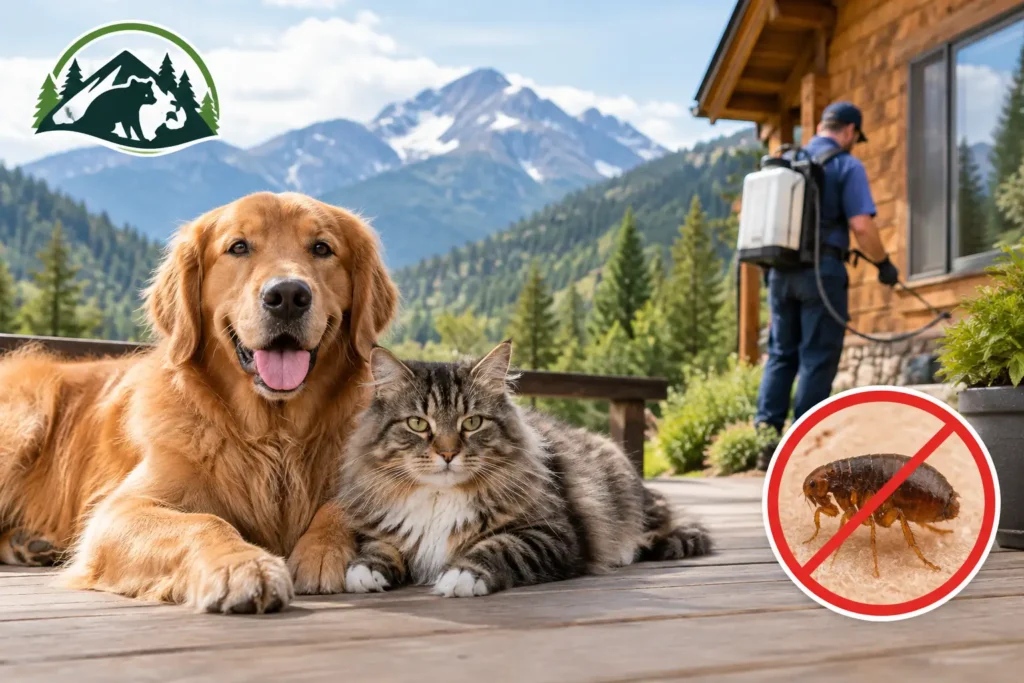
A few flea bites can turn a comfortable mountain cabin into a place nobody wants to sit down. Effective flea control is not about treating one rug or spraying a room once. It means finding where fleas are feeding and breeding, then interrupting their life cycle before the problem spreads through the home.
For homeowners, vacation-rental managers, and commercial property operators, speed matters. Fleas can irritate pets, leave itchy bites on people, and create a frustrating issue that returns weeks after it seemed resolved. A careful, eco-conscious approach protects the people and animals using the property without relying on indiscriminate harmful products.
Why Fleas Keep Coming Back
Adult fleas are only the visible part of the problem. They feed on a host, usually a dog, cat, wildlife visitor, or rodent, but their eggs do not stay on that animal. Eggs can fall into pet bedding, carpet fibers, upholstered furniture, floor cracks, and protected outdoor areas.
Those eggs develop into larvae, then pupae. The pupal stage is especially challenging because the developing flea is protected in a cocoon. Vacuuming, vibration, warmth, and the presence of a host can trigger adults to emerge later. That is why a homeowner may clean thoroughly, stop seeing fleas for several days, and then notice new bites or flea activity again.
A successful plan addresses adult fleas and the immature stages at the same time. It also identifies the animal source. If an untreated pet, stray cat, squirrel nest, raccoon den, or rodent problem remains nearby, fleas may continue to enter the structure.
Start Flea Control With the Source
If pets live in the home, speak with a veterinarian about an appropriate flea prevention product. This step is essential because treating carpets while leaving pets unprotected gives newly emerged fleas an easy meal and a chance to reproduce.
Inspect the areas where pets spend the most time. Look closely at bedding, crate pads, furniture cushions, rugs, vehicle interiors, and favorite sunny resting spots. Use a flea comb on pets if recommended by your veterinarian. Tiny dark specks, often called flea dirt, may be visible in the coat and can indicate active feeding.
Do not overlook wildlife and rodent activity. Mountain properties often have crawl spaces, sheds, decks, attics, and woodpiles that provide shelter for animals. Fleas can travel indoors after a host has entered a crawl space, died in a wall void, nested under a deck, or passed through an opening near the foundation. Removing the immediate host without cleaning and excluding access points can leave the property vulnerable to another cycle.
Clean Where Fleas Develop
Thorough cleaning is one of the most useful parts of flea control, especially when paired with pet care and source removal. Focus on the small, protected spaces where eggs and larvae collect rather than simply cleaning what looks dirty.
Vacuum carpets, area rugs, upholstered furniture, baseboard edges, under beds, and between floorboards. Move furniture when possible. Flea larvae avoid light, so they are often concentrated beneath cushions, along walls, and in low-traffic corners. Empty the vacuum outdoors right away in a sealed bag or container so collected material does not remain inside the home.
Wash pet bedding, blankets, throw covers, and washable cushion covers on the warmest setting the fabric can safely handle. Continue vacuuming regularly for several weeks. This helps remove developing flea stages and encourages hidden adults to emerge where they can be captured or addressed.
For a vacation rental, treat turnover cleaning as an opportunity to inspect. Ask cleaners to report pet hair, bite complaints, signs of rodents, or unusual insect activity. Catching a flea issue between guests is far easier than responding after several visitors have been exposed.
Check Outdoor Hot Spots
Fleas do not thrive equally across an entire yard. They prefer shaded, humid, protected locations where a host rests or travels. Under decks, beneath shrubs, beside sheds, around pet houses, and along fence lines are more likely to support flea activity than open, sunny ground.
Keep vegetation trimmed so air and sunlight can reach the soil. Remove leaf buildup and clutter around the foundation. Store firewood neatly and away from the home when practical. These simple property-maintenance steps reduce hiding places for wildlife, rodents, and the fleas they may carry.
If pets spend time outdoors, concentrate your attention on their favorite resting areas. A clean, dry, well-maintained pet area is less attractive to flea larvae than a shaded corner with old bedding, debris, and frequent animal traffic.
Avoid Common Flea Treatment Mistakes
The urge to use a strong product immediately is understandable, but rushed treatment can create more work and more risk. Foggers often miss the protected places fleas use, including beneath furniture, inside carpet fibers, and around baseboards. They can also expose people and pets to products that do not solve the underlying source.
Do not combine multiple products without clear instructions from a veterinarian or qualified pest professional. Some pet treatments should never be used on certain animals, age groups, or households with sensitive pets. Natural does not automatically mean safe either. Essential oils and home remedies can be irritating or toxic to pets when used incorrectly.
Another common mistake is stopping after the first improvement. Because flea pupae may emerge later, treatment and cleaning often need follow-through. The right timeline depends on the severity of the activity, the number of animals involved, indoor conditions, and whether wildlife or rodents are present around the structure.
When Professional Help Makes Sense
Professional help is valuable when fleas continue after pet treatment and intensive cleaning, when multiple rooms are affected, or when the likely source is wildlife or rodents in or around the building. It is also a practical choice for rental properties, businesses, and second homes where monitoring an active problem is difficult.
A proper inspection should look beyond the carpet. The goal is to identify animal entry points, nesting areas, signs of rodent activity, damaged screening, crawl-space concerns, and locations where fleas may be developing. Exclusion work, humane animal removal, sanitation, and targeted insect service can work together to protect the property over the long term.
In Big Bear Lake, Lake Arrowhead, Crestline, and other mountain communities, seasonal wildlife movement and wooded surroundings can make that broader inspection especially useful. A cabin may appear secure until a small gap under a deck, vent opening, or damaged foundation screen gives an animal access.
Outbackzack approaches nuisance animal and insect concerns with the property, the surrounding environment, and humane prevention in mind. The goal is not simply to make fleas disappear from view for a day. It is to remove the conditions that allow hosts and pests to keep returning.
Keep the Home Protected After Fleas Are Gone
Once activity has stopped, keep pets on veterinarian-recommended prevention and maintain a regular vacuuming routine in high-use areas. Inspect pet bedding often, especially after travel, boarding, grooming appointments, or contact with unfamiliar animals. If pets spend time outside, keep resting areas clean and dry.
Just as important, stay alert for the signs of wildlife and rodent access: scratching in walls, droppings, disturbed insulation, damage near vents, or animals sheltering under decks and sheds. Addressing those conditions early helps prevent a flea problem from becoming part of a larger property issue.
A clean home is helpful, but lasting flea control comes from breaking the connection between fleas, their hosts, and the protected spaces where they develop. When that connection is removed, your home can return to being a comfortable place for people and pets, not a feeding ground for pests.