
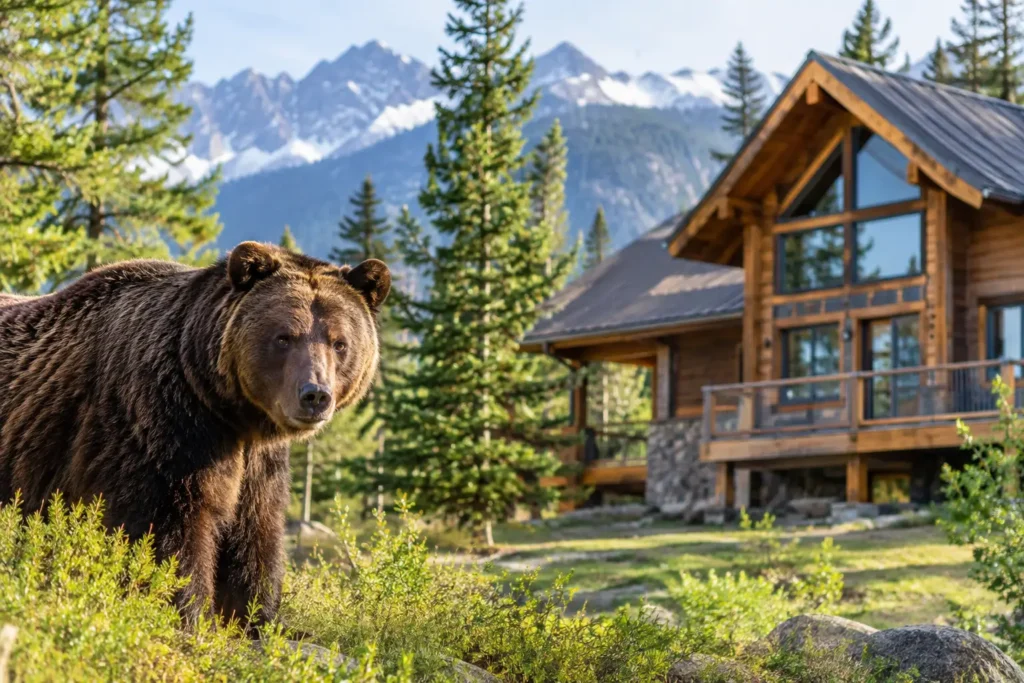
A mouse in the pantry, scratching above a cabin ceiling, or droppings near a vacation rental can turn a quiet mountain property into an urgent problem. Big Bear pest control requires more than a quick trap or spray because local homes sit alongside forests, open land, changing weather, and active wildlife corridors. The right response protects your building, your guests, and the animals that belong outdoors.
At Outbackzack, the focus is not simply getting an animal out of sight. It is finding where it entered, addressing contamination or damage, and helping prevent the same problem from returning when the next cold snap, storm, or seasonal food shortage pushes wildlife closer to homes.
Why Big Bear Pest Control Is Different
Mountain communities create pest pressures that are very different from dense city neighborhoods. Cabins, full-time homes, restaurants, retail spaces, garages, and vacation rentals often have crawl spaces, attic vents, chimneys, woodpiles, sheds, and small structural gaps that offer easy shelter. In cooler weather, those protected spaces can be especially attractive to mice, rats, squirrels, bats, raccoons, skunks, and birds.
A property can look well sealed from the driveway and still have an entry point under the eaves, behind siding, around utility lines, or beneath a deck. Rodents need surprisingly little space to enter, and once they are inside, they can chew wiring, damage insulation, contaminate stored items, and reproduce quickly. Wildlife can create just as much trouble by tearing vents, nesting in attics, or leaving odor and droppings behind.
The goal should be long-term control, not repeated emergency visits. That means identifying the species, locating active entry points, removing the nuisance animal humanely when appropriate, and completing practical exclusion work. A professional inspection helps separate active activity from old signs, so property owners are not paying for the wrong solution.
Seasonal Changes Bring New Activity
Pest activity in Big Bear Lake, Big Bear City, Sugarloaf, Fawnskin, and nearby mountain areas often changes with the season. Cold temperatures can drive rodents and wildlife indoors. Spring can bring nesting birds and increased animal activity around attics, roofs, sheds, and crawl spaces. Summer visitors may notice wasps, ants, or other insects around decks, trash areas, and food service spaces.
There is no single calendar date when every pest problem begins or ends. A vacant cabin may be quiet for months, then show fresh activity after weather changes or after nearby construction disturbs habitat. Regular inspections are especially valuable for second homes and short-term rentals that may sit empty between visits.
Start With the Signs You Can See and Hear
Early action usually means less damage and a simpler cleanup. You do not need to identify every animal yourself, but the details you notice can help a technician narrow down the source of the problem.
Scratching, scurrying, or chirping noises in ceilings and walls often point to rodents, squirrels, birds, or bats. Droppings in a garage, pantry, attic, or crawl space should be treated seriously because they can contaminate surfaces and insulation. Chewed wiring, shredded paper, nesting material, greasy rub marks, damaged vents, and persistent odors are also signs that an animal may be living in or regularly entering the structure.
Outside, look for disturbed soil near foundations, openings around rooflines, gnaw marks, displaced screens, and bird nesting material around eaves or vents. Keep your distance from any wildlife you see. Cornered raccoons, skunks, and other animals can react unpredictably, and handling bats or rodent droppings without proper protection creates unnecessary risk.
If you manage a rental, document the location and timing of activity between guest stays. This makes it easier to schedule service quickly and address the issue before it becomes a bad guest experience or a larger repair bill.
Humane Removal Should Include Prevention
Removing an animal without correcting access points is like fixing a leak without repairing the pipe. The immediate issue may disappear, but the building remains vulnerable. Effective wildlife and rodent control combines removal with exclusion, block-out repairs, and sanitation when needed.
Humane removal matters in mountain communities where people share space with native wildlife. The best approach depends on the species, where it is located, whether young animals are present, and the condition of the structure. A one-size-fits-all treatment can create avoidable problems, particularly when animals are nesting or using an attic as a temporary shelter.
After removal, exclusion work may involve securing vents, reinforcing weak access areas, sealing gaps around utility penetrations, repairing damaged screens, or blocking openings around eaves and foundations. Materials and methods should be selected for the location. A repair that works on a lowland tract home may not hold up as well against snow, wind, wildlife pressure, and temperature swings in the mountains.
Cleanup Is Not an Optional Add-On
Droppings, urine, nesting debris, and soiled insulation can continue causing odor and contamination after animals are gone. In some cases, a light cleanup is enough. In others, affected insulation or damaged materials may need to be removed, disinfected, and restored.
This is especially important in attics, crawl spaces, garages, food storage areas, and commercial properties. Rodent and bird activity can leave behind more than a visible mess. Cleanup protects indoor air quality, reduces lingering odor that may attract other animals, and makes it easier to confirm whether new activity appears later.
Property owners should avoid sweeping or vacuuming droppings dry. Disturbing contaminated material can send particles into the air. A trained professional can assess the area and use appropriate cleanup practices based on the type and extent of contamination.
Common Mountain Property Pest Problems
Rodents are among the most common calls because mice and rats can enter through tiny openings and settle into quiet areas quickly. Their damage is not always obvious at first. A few droppings in a cabinet may be the visible part of a larger issue in a wall, attic, or crawl space.
Squirrels can chew into rooflines and attic spaces, while raccoons may damage vents, ducts, and roofing as they search for shelter. Skunks often create problems beneath decks, porches, sheds, and crawl spaces. Gophers can damage landscaping and create hazardous holes around yards or commercial grounds.
Bird issues require species-specific care. Woodpeckers may damage siding, swallows can build recurring nests around structures, and pigeons or sparrows may leave droppings and nesting debris in roof areas, signage, and covered walkways. The proper solution balances property protection with responsible, lawful handling of wildlife.
Insect concerns also deserve prompt attention. Ants, wasps, spiders, and other insects can become more than a nuisance when they affect kitchens, guest areas, entryways, or work spaces. Treatment should focus on the source and conditions attracting activity, not only what is visible on the surface.
Protect Cabins, Rentals, and Commercial Buildings
Prevention looks slightly different for every property. A full-time homeowner may be able to notice a new sound in the attic immediately. A vacation-home owner may need scheduled checks before holiday weekends. Restaurants, shops, and lodging properties need clean, safe, guest-ready spaces with minimal interruption to daily operations.
Keep exterior trash secured, remove accessible food sources, and store pet food in sealed containers. Trim branches away from rooflines when practical, maintain screens and vents, and avoid letting firewood or stored materials sit directly against the building. These steps help, but they do not replace a detailed inspection when activity is already present.
For property managers, the most useful strategy is often a documented prevention plan. Regular inspections, fast reporting procedures, exclusion repairs, and professional cleanup can reduce surprise calls and protect the value of the property. This is particularly helpful across Big Bear, Lake Arrowhead, Running Springs, Crestline, Green Valley Lake, Cedar Glen, and Twin Peaks, where mountain conditions can expose weak points in a building over time.
When to Schedule Professional Service
Schedule professional help promptly when you see fresh droppings, hear ongoing attic or wall noise, smell a persistent animal odor, discover a damaged vent, or find wildlife inside the structure. Do not wait for a small issue to become a wiring repair, insulation replacement, or guest complaint.
A quality service visit should begin with an inspection and a clear explanation of what is happening, what work is recommended, and what prevention measures will make the difference. The strongest pest control plans address the animal, the access point, and the aftermath.
Your mountain property should feel like a refuge, not a shelter for uninvited pests. Address activity early, choose humane and eco-conscious solutions, and give your home or business the protection it needs through every season.