
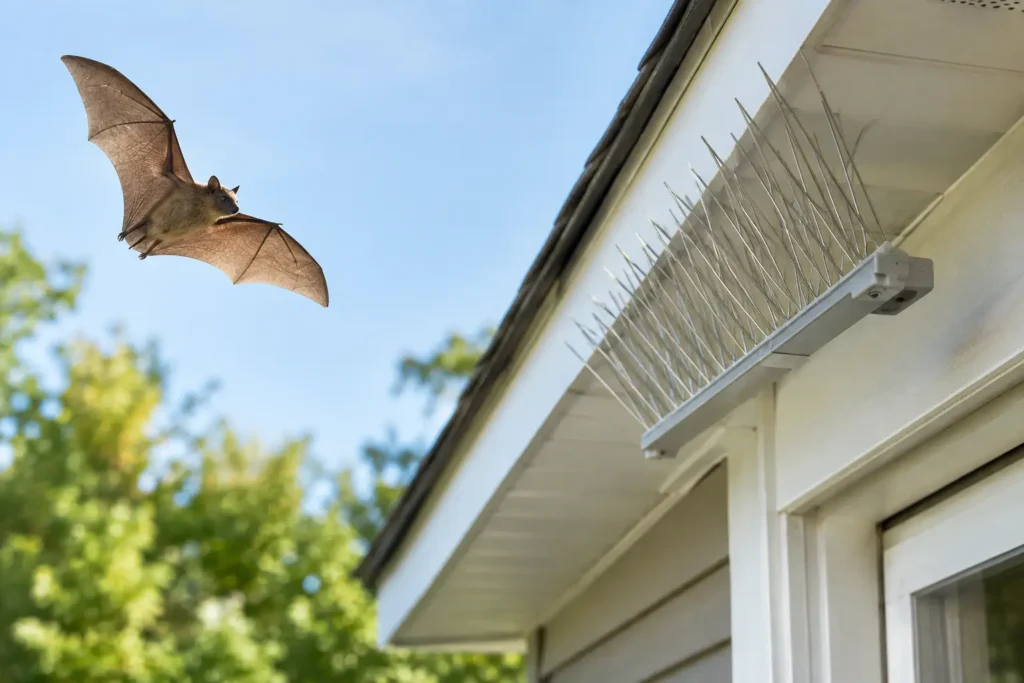
A bat slipping through a gap the width of a dime can turn a quiet cabin attic into a recurring wildlife problem. The best humane bat deterrent options do not rely on poison, trapping, or scare tactics that leave animals stressed or stranded. They focus on letting bats leave safely, closing their access points, and correcting the conditions that made the building attractive in the first place.
That approach matters in Big Bear Lake, Lake Arrowhead, Running Springs, Crestline, and surrounding mountain communities. Older cabins, wood siding, rooflines, chimneys, and seasonal vacancies can all create easy entry points. Bats are valuable insect-eaters, but they do not belong in an attic, wall void, or commercial building where droppings, odor, and potential exposure concerns can build up.
Best Humane Bat Deterrent Options for Homes
For an active bat roost, exclusion is the most dependable humane solution. A trained wildlife professional first identifies the primary exit point and any secondary gaps around the roof, vents, siding, fascia, chimney, or utility lines. Then, a one-way exclusion device is installed at the active opening.
This device allows bats to fly out at dusk but prevents them from returning to the roost. Once the bats have left, the remaining openings are sealed with durable materials suited to the structure. This is not simply patching one visible hole. A proper exclusion job addresses the full exterior so bats do not move from the attic into a wall, crawlspace, or another section of the roof.
The trade-off is timing. Exclusion must be planned around local bat activity and maternity season. If young bats are still unable to fly, blocking access can separate mothers from pups and leave animals trapped inside. In some cases, waiting until the appropriate season is the most humane and legally responsible choice. A professional inspection helps determine whether exclusion can proceed now or should be scheduled for a safer window.
Seal Entry Points After Bats Have Exited
Exclusion only works when it is paired with thorough bat-proofing. Bats can use small, high-up gaps that homeowners rarely see from the ground. Common problem areas include loose flashing, gaps behind trim boards, open soffits, damaged vents, roof intersections, warped siding, and spaces around chimney structures.
The goal is not to make a building airtight. It is to close wildlife entry points while preserving proper ventilation and drainage. Quality repairs use appropriate screening, flashing, sealants, and structural materials rather than temporary foam or tape that can fail in harsh mountain weather.
For vacation rentals and second homes, this step is especially important. A small opening left unsealed can allow bats back in while the property is empty, turning a manageable issue into a larger cleanup project before the next guest arrives.
Remove Roosting Opportunities Around the Structure
Some exterior conditions make a property easier for bats to investigate. Overgrown vegetation touching the roof can provide cover for many wildlife species and can make exterior inspections more difficult. Loose boards, damaged eaves, and unsecured attic vents create sheltered spaces that bats may use once they find an opening.
Simple maintenance helps reduce future pressure. Keep roof edges and vent covers in good repair, address damaged siding promptly, and inspect the building after storms, heavy snow, or wind events. In mountain communities, freeze-thaw cycles and falling branches can create fresh gaps that were not present the previous season.
Outdoor lighting should be considered carefully. Bright lights near a building may change insect activity, but lighting alone is not a reliable bat deterrent. It can also create unnecessary disturbance for other wildlife and affect the look and comfort of your property. Physical exclusion remains the dependable solution.
Bat Deterrents That Often Disappoint
When homeowners hear bats in a wall or attic, it is understandable to look for a fast do-it-yourself fix. Unfortunately, many products marketed as deterrents either provide inconsistent results or create a more serious animal welfare problem.
Ultrasonic devices are a common example. Their performance varies widely by building layout, device placement, and the bat species involved. Sound does not reliably reach behind insulation, inside wall voids, or throughout complex attic spaces. Even if activity seems to decrease for a short time, the bats may simply shift to another part of the structure.
Chemical repellents, mothballs, ammonia, and strong odors are poor choices. They can create unhealthy indoor conditions, damage materials, and fail to solve the entry-point problem. Poison should never be used for bats. It is inhumane, can expose pets and people to risks, and may leave dead animals inside inaccessible spaces.
Blocking an opening immediately is also risky when bats are still inside. You may trap bats in the building, force them into living areas, or separate dependent young from the colony. Humane bat control requires a plan for exit before closure.
What About Bat Houses?
A bat house can be a positive conservation feature, but it is not a replacement for excluding bats from a building. If bats are using your attic, wall, or eaves, the first priority is a safe, properly timed removal and complete repair of the entry points.
A bat house may be worth considering after exclusion if the property has suitable placement and you want to support local insect-eating bats away from the home. Placement, sun exposure, mounting height, and local conditions all affect whether a bat house is used. It should not be installed directly over a doorway, deck, or heavily used outdoor area where droppings could become a nuisance.
Think of it as habitat support, not a lure or a quick relocation tool. Bats choose roosts based on conditions that cannot be duplicated with a box placed near an active entry hole.
Cleanup Is Part of Humane Bat Control
Once bats are out, the work is not finished. Guano and urine can collect in insulation, attic corners, wall cavities, and beneath roosting areas. Beyond odor and staining, accumulated droppings can attract insects and create sanitation concerns when disturbed.
Professional cleanup may include removing contaminated insulation or debris, carefully collecting droppings, disinfecting affected surfaces, and deodorizing the area as needed. The level of work depends on how long the roost was active and where the contamination occurred. A small, recent issue may need limited sanitation, while a long-term attic colony may require more extensive restoration.
Avoid sweeping or vacuuming dry droppings without proper protective measures. Disturbing contaminated material can send dust into the air. A qualified wildlife removal team can assess the area and recommend cleanup that fits the actual conditions rather than selling unnecessary work.
When to Call a Bat Removal Professional
A single bat in a living room is different from repeated dusk activity at the roofline. If you see bats consistently entering or leaving one part of the building, hear scratching or chirping in walls or the attic, notice droppings below an exterior gap, or find persistent odor, assume there may be an established roost.
Do not handle a bat with bare hands. If a bat is found in a room where someone may have been asleep, or where a child or pet had unsupervised contact, contact local public health guidance and a qualified wildlife professional promptly. The right response depends on the circumstances, and quick action helps protect both people and animals.
Outbackzack approaches bat issues with humane exclusion, property repairs, and cleanup designed for Southern California mountain homes and businesses. A detailed inspection can identify where bats are entering, whether seasonal timing affects removal, and what repairs will keep the problem from returning.
The most effective bat deterrent is not a spray, sound machine, or shortcut. It is a carefully timed exit plan followed by durable exclusion work. Protect the building, respect the bats, and address the small openings now before they become the next season’s roost.