A scratching sound above the ceiling is rarely just a noise problem. In mountain homes and cabins, it can mean rodents chewing wiring, squirrels tearing insulation, birds nesting in vents, or wildlife leaving droppings where your family cannot see them. The best attic animal deterrents do more than make an animal uncomfortable for a night. They remove the reason animals entered, prevent a return, and protect the home without poison or harmful treatment.
For properties near wooded areas, open space, and seasonal vacation homes, effective deterrence starts with knowing what is active in the attic. A mouse problem calls for a different response than bats in a gable vent or a raccoon damaging roof access points. The right approach is humane, practical, and built to last.
The Best Attic Animal Deterrents Start With Exclusion
The strongest attic deterrent is exclusion – locating every entry point and closing it correctly after animals have safely left. Wildlife does not need much room to enter. Mice can squeeze through gaps about the size of a dime, while squirrels and rats can enlarge weak openings around rooflines, vents, pipes, and damaged fascia.
A proper exclusion inspection looks beyond the obvious hole. It checks roof returns, attic vents, chimney gaps, eaves, utility penetrations, loose screens, warped siding, and areas where branches meet the roof. In Big Bear Lake, Lake Arrowhead, Crestline, and similar mountain communities, snow, wind, and seasonal moisture can loosen materials and create new access points each year.
The key is timing. Sealing an active opening before confirming that all animals are out can trap wildlife inside the structure. That can lead to dead animals in walls, greater damage, or desperate animals chewing a new exit. Humane one-way exit devices and species-specific removal methods allow animals to leave without being harmed, then the opening can be professionally secured.
1. Repair and Screen Vulnerable Vents
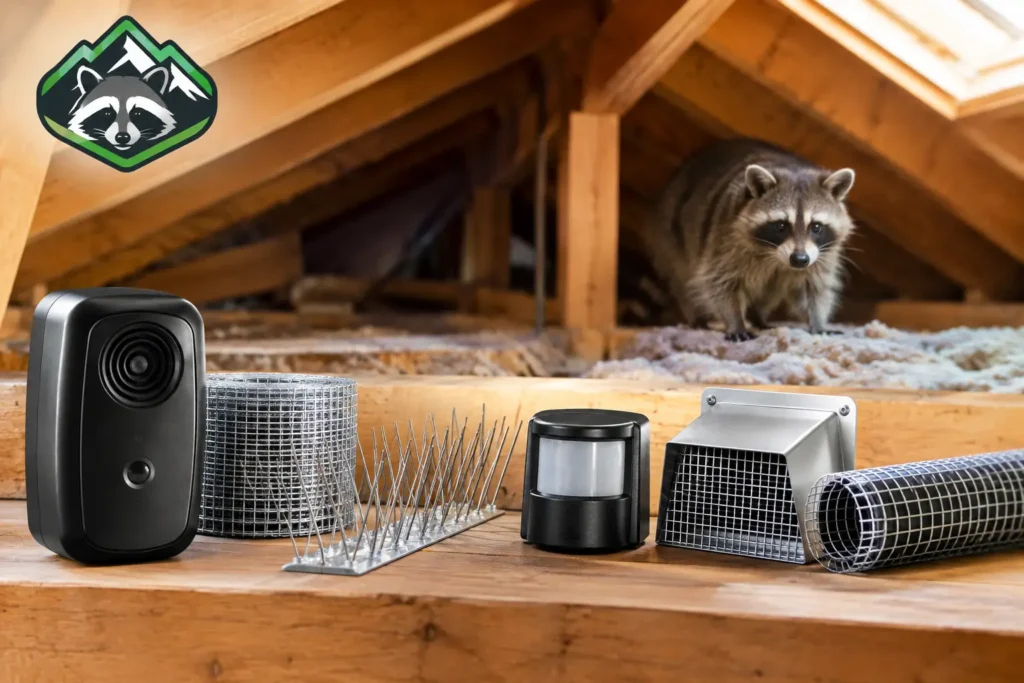
Attic, gable, soffit, and roof vents are common access points because they provide warmth, shelter, and direct passage into the attic. Durable, properly fitted vent covers can keep rodents, squirrels, birds, and larger nuisance animals from pushing through weak or damaged screening.
Not every screen is a deterrent. Lightweight mesh can be bent, chewed, or pulled loose. The material needs to be appropriate for the animal pressure at that location and installed without blocking necessary ventilation. A screened vent that restricts airflow can create moisture problems, so this is one area where a quick patch may cost more later.
2. Close Roofline Gaps and Damaged Fascia
Animals often enter at the roof edge, where fascia boards, trim, or eaves have deteriorated. Raccoons may pull apart weakened construction, while squirrels and rodents exploit gaps that seem too small to matter. Replacing damaged wood and reinforcing vulnerable edges removes the access route instead of repeatedly reacting to the animal.
Look for daylight visible from inside the attic, staining near roof edges, chewed wood, loose trim, or insulation disturbed near an exterior wall. These clues can point to an access point even when the opening is difficult to see from the ground.
Tree branches should also be trimmed back from the roof where practical. They do not create every attic problem, but they give squirrels and rodents an easier path to roof-level entry points. Keep in mind that trimming alone will not stop an animal that already has an open vent or gap to use.
3. Use One-Way Doors for Active Wildlife
When squirrels, raccoons, skunks, or other animals are actively using an attic, a one-way exclusion door can be one of the most humane deterrents available. It allows the animal to exit but prevents re-entry through the same route. Once activity has stopped and the attic has been checked, the opening is sealed permanently.
This method requires careful species identification. Young animals may be present during nesting and birthing seasons, and separating a mother from dependent young creates an animal welfare problem as well as an odor and noise problem for the property owner. Bats also require specialized handling because they can use very small openings and may be protected by seasonal restrictions.
For these reasons, one-way doors are not a one-size-fits-all do-it-yourself fix. The placement, timing, and follow-up inspection matter as much as the device itself.
4. Remove Food Sources Around the Structure
Attic animals are usually drawn to a property by access, shelter, and food. Once they find a safe route indoors, an attic becomes a dependable nesting site. Reducing food sources outside helps make the property less attractive before an animal reaches the roofline.
Secure trash lids, clean up fallen birdseed, avoid leaving pet food outdoors, and keep compost managed. If you feed birds, place feeders away from the house and clean spilled seed regularly. Bird feeders can attract squirrels and rodents, which then use nearby trees, fences, and utility lines as travel routes toward the home.
This is a supporting deterrent, not a substitute for sealing entry points. An animal can still choose a warm attic even when food is limited, especially during cold weather.
5. Clean Up Droppings and Contaminated Insulation
An attic that has been used by animals may continue to attract activity because it smells like an established nesting site. Urine, droppings, nesting material, food caches, and soiled insulation can also create sanitation concerns after the animals are gone.
Rodent droppings and urine should not be swept or vacuumed dry, which can disturb contaminated particles. Bird and bat droppings require the same caution. Cleanup should include proper protective measures, removal of affected materials when necessary, disinfection, and odor control.
This step is often missed because the attic looks quiet after removal. But leaving contamination behind means leaving evidence that the space was safe and occupied. A clean, repaired attic is far less inviting to the next animal looking for shelter.
6. Skip Poison and Unreliable Gimmicks
Poison is not a responsible attic deterrent. It can harm pets, children, and non-target wildlife, and animals that die in inaccessible walls or insulation can create severe odor and insect issues. In mountain communities where wildlife is part of the environment, secondary poisoning can also affect predators that feed on rodents.
Ultrasonic devices, strong scents, flashing lights, and loud noises may make an attic uncomfortable temporarily, but animals often adapt. These products cannot close a gap, repair a damaged vent, or remove a nest. They may be useful only as a short-term supplement while a real exclusion plan is being completed.
The same caution applies to mothballs and chemical repellents. They are not a safe answer for enclosed attic spaces and do not resolve the structural reason animals entered.
7. Schedule Seasonal Attic and Roof Inspections
The best long-term deterrent is catching a problem before it becomes an infestation. A seasonal inspection is especially useful for cabins, vacation rentals, and homes that sit empty for part of the year. Winter weather, falling branches, and routine building movement can reopen areas that were once secure.
Pay attention to new noises at dawn or dusk, scratching in walls, droppings near storage, unusual odors, chewed wiring, or insulation pulled into piles. Outside, look for staining below vents, damaged screens, roof debris, and small tracks around the foundation or siding.
Property managers can benefit from checks between guest stays, particularly after storms or long vacancies. A small opening found early is far easier to repair than an attic that has become a breeding or nesting area.
When Professional Help Is the Best Deterrent
If you hear persistent attic activity, see droppings, or find visible entry damage, avoid sealing the opening on your own until the animal situation is confirmed. This is particularly important with bats, raccoons, squirrels, and birds, where humane removal and seasonal considerations matter.
Outbackzack provides humane nuisance animal removal, exclusion repairs, rodent proofing, cleanup, and disinfection for homes and commercial properties throughout Southern California mountain communities. The goal is not simply to get an animal out for the day. It is to identify how it got in, protect the property from repeat entry, and treat wildlife with respect.
A quiet attic should stay quiet. Address the access point now, and you can protect your insulation, wiring, indoor air, and peace of mind before a small wildlife visit becomes a much larger repair.