
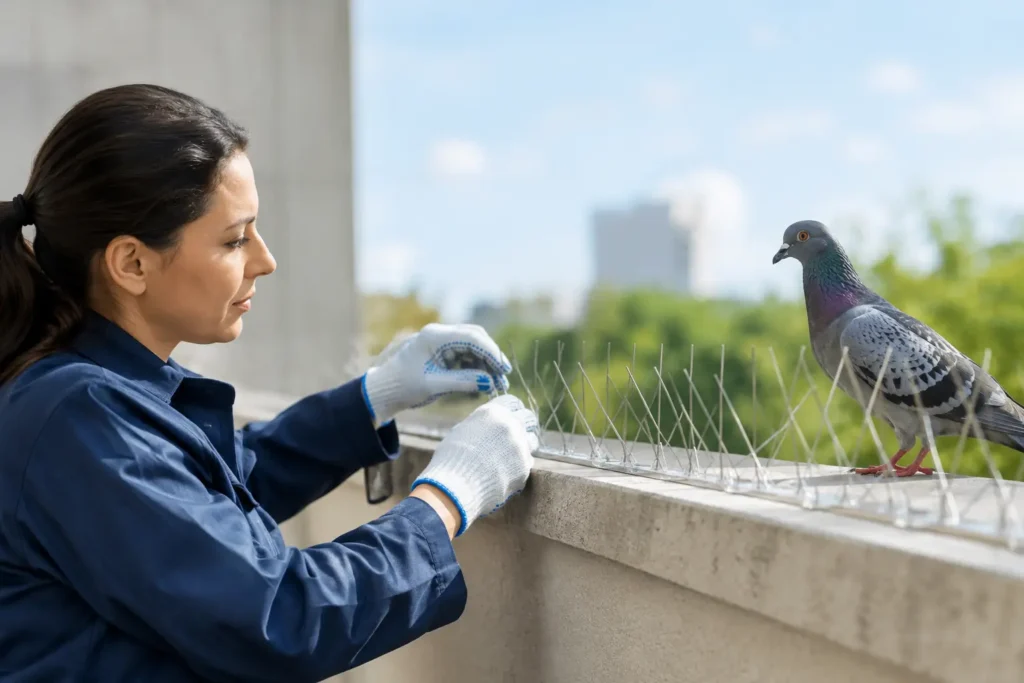
Pigeons may look harmless at first, but a few birds on a roofline can quickly become a sanitation, damage, and repeat-nesting problem. Knowing how to remove pigeons starts with one rule: do not focus only on chasing birds away. Humane, lasting pigeon control means removing the attraction, blocking access to nesting areas, and cleaning contamination safely so the flock does not return.
For homes, cabins, vacation rentals, restaurants, and commercial buildings in Big Bear and surrounding mountain communities, pigeon activity often increases around covered eaves, attic vents, solar panels, chimney ledges, sheds, and unused outbuildings. The higher the birds can perch, the safer they feel. A proper plan makes those spots unavailable without causing unnecessary harm to the birds.
Why pigeons keep returning to a property
Pigeons are creatures of habit. If they have found dependable shelter, flat roosting surfaces, water, or food scraps, they will return to the same building day after day. Once nesting begins, young birds may also treat the site as home. That is why yelling, clapping, spraying water, or using a plastic owl may work for a short time but rarely solves the problem.
Mountain properties can be especially attractive because many homes have deep roof overhangs, quiet seasonal occupancy, woodpiles, open sheds, and architectural gaps that offer cover from weather. A cabin that sits empty for part of the year can become an easy roosting site before an owner notices the buildup.
Pigeon droppings are more than an appearance issue. Accumulated waste can stain siding and decking, clog gutters, create slipping hazards, damage surfaces over time, and contaminate areas near doors, patios, HVAC equipment, or food-service spaces. Nest material can also block drainage points and create fire concerns near electrical equipment or ventilation openings.
How to remove pigeons humanely and effectively
The most reliable approach combines humane removal, exclusion, and sanitation. The order matters. Sealing an opening while birds, eggs, or young are still inside can create a worse problem, while cleaning before the birds are excluded leaves the area vulnerable to immediate re-contamination.
Remove food and water sources first
Start by looking for what is rewarding the birds. Secure trash lids, clean up fallen birdseed, avoid feeding wildlife outdoors, and do not leave pet food on porches or in open storage areas. Repair dripping hose bibs, leaking irrigation lines, or other small water sources that may be supporting daily pigeon activity.
For commercial properties, check dumpster enclosures, loading areas, outdoor dining spaces, and roof access points. Even a small amount of recurring food waste can sustain a flock. Removing these attractants does not force pigeons into danger. It simply stops your property from functioning as a dependable feeding station.
Identify roosting and nesting areas
Look for droppings concentrated beneath a ledge, vent, solar panel, awning, or roof edge. These patterns help identify where pigeons are landing and where they may be entering. Watch the property from a distance at sunrise or late afternoon, when birds are more likely to travel between feeding and roosting areas.
Do not climb steep roofs or lean over elevated ledges to inspect an active bird problem. In mountain weather, wet shingles, ice, wind, and uneven terrain add real risk. A professional inspection is safer and can reveal hidden access points around roof returns, attic vents, chimneys, and damaged screening.
If you find a nest with eggs or young birds, pause before moving it. Wildlife and bird regulations can vary by species and location, and other birds may use nearby areas. A trained bird-control professional can identify the species, assess the situation, and choose an appropriate humane path forward.
Use exclusion to make the space unavailable
Exclusion is what turns pigeon control into long-term prevention. Depending on the structure, this may include bird netting, properly fitted wire mesh, vent covers, chimney caps, sealing gaps, or durable barriers that prevent birds from landing or nesting beneath solar panels and roof features.
The right method depends on the exact location. Netting is often useful for larger covered spaces, such as loading areas, carports, open rafters, and balconies. Screening and hardware mesh are more appropriate for vents and smaller entry points. On narrow ledges, professionally installed physical deterrents can discourage landing without trapping or injuring birds.
Avoid makeshift solutions that create entanglement hazards or leave sharp, unstable materials exposed. Loose string, improperly installed netting, glue products, and poorly placed spikes can harm wildlife, create liability concerns, and fail quickly in snow, sun, and wind. Effective exclusion should be secure, durable, and fitted to the building.
Do not rely on poison or random traps
Poison is not a responsible pigeon-control solution. It can expose pets, raptors, scavengers, and other non-target wildlife to danger. It also leaves property owners with the risk of dead birds in inaccessible areas, odor problems, and possible contamination.
Trapping may be regulated and should never be a do-it-yourself first step. Improper trapping can separate adult birds from nests, capture non-target species, or create unnecessary stress and suffering. Humane control is not about taking shortcuts. It is about correcting the conditions that brought pigeons to the property in the first place.
Clean pigeon droppings the safe way
Cleanup is a critical part of pigeon removal, but it should be handled carefully. Never dry sweep, brush, or use a leaf blower on droppings and nesting material. Those methods can send contaminated dust into the air and spread it across patios, garages, attics, vehicles, and nearby living spaces.
For a very small amount of fresh droppings in an open, well-ventilated area, wear gloves and a properly fitted mask, lightly dampen the material to control dust, and collect it using disposable materials. Disinfect the hard surface afterward, then wash hands and clothing. Keep children, pets, and unprotected people away from the area during cleanup.
Heavy accumulation, enclosed spaces, attic contamination, and droppings near HVAC systems call for professional remediation. A complete service may include safe waste removal, surface disinfection, odor reduction, nest removal where appropriate, and inspection for damage or entry points. This is especially valuable for rental homes and businesses, where sanitation and guest safety matter just as much as bird removal.
When a professional pigeon service is the better choice
A few pigeons on a fence may not require immediate intervention. But professional help is a smart choice when birds are nesting in a structure, entering an attic or crawlspace, damaging vents, contaminating high-traffic areas, gathering beneath solar panels, or returning despite repeated cleanup.
The same is true when the work requires ladders, roof access, specialized netting, or repairs to soffits, screens, and vents. The goal is not just to get birds off the building for an afternoon. It is to protect the property through humane exclusion and prevent the next nesting cycle.
Outbackzack provides eco-friendly bird removal, sanitation, and exclusion solutions for property owners throughout the Big Bear Lake, Lake Arrowhead, Running Springs, Crestline, and nearby mountain communities. A site-specific inspection can determine where pigeons are entering, what is attracting them, and which prevention method fits the building without compromising wildlife safety.
Keep pigeons from coming back
After the birds are removed and the area is cleaned, make prevention part of routine property maintenance. Check rooflines, attic vents, chimney caps, eaves, and outbuildings seasonally, especially before busy rental periods or after wind and snowstorms. Replace damaged screens promptly and remove new nesting material before it becomes established.
If your property has solar panels, inspect the gaps beneath them. Those protected spaces are common pigeon nesting areas, and the problem can remain hidden until droppings collect along gutters or wiring. A properly designed exclusion system can protect the panels while preserving access for maintenance.
A humane solution protects more than your roof or deck. It protects the people using the property, the local environment, and the birds themselves by giving them a reason to move on rather than creating a cycle of harm and return.