Humane Wildlife Removal Reviews: What Matters

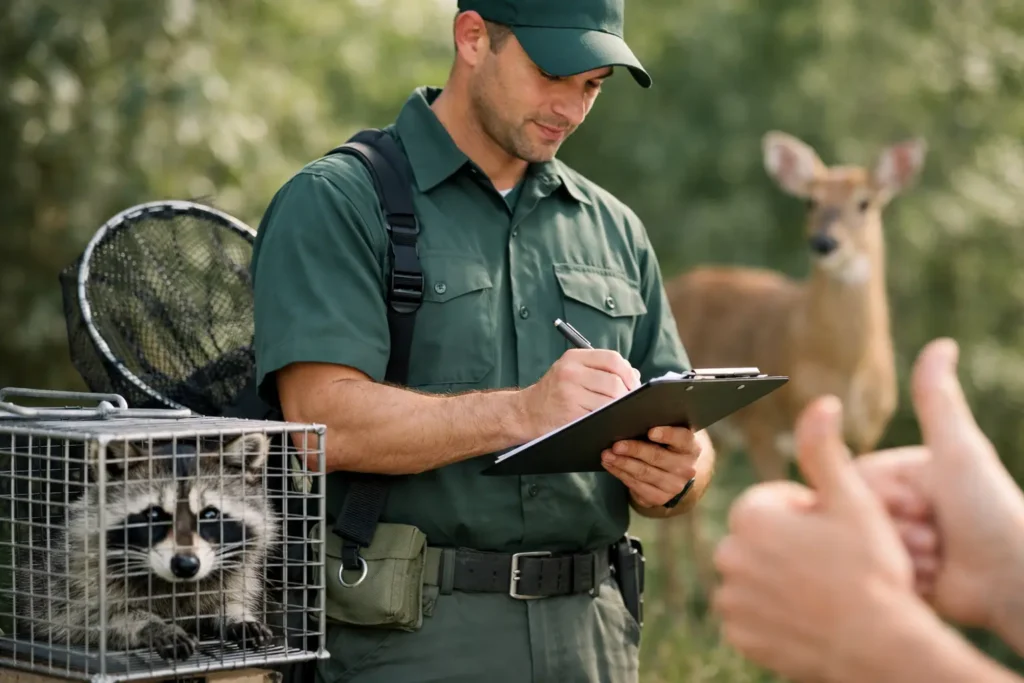
A raccoon in the attic, mice behind cabin walls, or bats in a chimney can turn into a health and property problem fast. Humane wildlife removal reviews can help you find a qualified local professional, but the most useful reviews do more than say a technician was friendly or arrived on time. They reveal whether the company protected the building, treated the animal responsibly, and stopped the problem from returning.

For homeowners, vacation-rental owners, and property managers in Big Bear Lake, Lake Arrowhead, Running Springs, Crestline, and nearby mountain communities, that distinction matters. Wildlife pressure is part of living near forests, open space, and changing seasonal weather. A removal that looks successful on day one may fail if entry points, nesting material, droppings, and food sources are left behind.

What Humane Wildlife Removal Should Actually Mean

Humane removal is not simply relocating every animal that enters a structure. In many situations, relocation can be stressful for wildlife, separate mothers from young, or move the problem to someone else’s property. Responsible wildlife control starts with identifying the species, understanding the animal’s behavior, and following applicable wildlife regulations.

A humane approach aims to remove or exclude nuisance animals with the least practical stress while protecting people, pets, and the property. For a squirrel or raccoon in an attic, that may involve a one-way exclusion device that lets the animal leave without getting back inside. For bats, it may require timing work around maternity seasons and using proper exclusion methods rather than trapping. For rodents, humane service still has to address sanitation and population control because mice and rats can spread contamination and damage wiring.

The best providers do not treat every wildlife call the same way. A skunk under a deck, a woodpecker damaging siding, and a mouse infestation in a restaurant each require a different plan. Reviews that describe species-specific work are generally more helpful than vague comments about “getting rid of pests.”

How to Read Humane Wildlife Removal Reviews

A five-star rating is a useful starting point, not the whole decision. Read recent written reviews and look for details about the work performed. Property owners often remember the outcome: whether the scratching stopped, whether odors improved, whether the technician showed them access points, and whether the issue returned after heavy weather or a change in season.

Pay close attention to reviews that mention an inspection before treatment. Wildlife removal should not begin with guesswork. A technician should inspect likely entry points, evaluate signs such as droppings, rub marks, nesting material, chewed wood, or damaged vents, and explain what is happening. In mountain cabins and older homes, small construction gaps can become repeat access routes for mice, squirrels, birds, and bats.

Reviews are especially valuable when they explain how a company handled a difficult situation. Maybe a tenant needed a bird problem resolved without disrupting customers. Maybe a cabin owner was away and needed clear documentation. Maybe a family was concerned about young animals in the attic. Those examples show whether the company communicates clearly, adjusts to real property conditions, and respects both the customer and the animal.

Look for Proof of Exclusion and Repairs

Removing an animal without sealing the entry point is often temporary. A raccoon can return to the same roof gap. Mice can enter through openings that seem far too small. Birds may reoccupy protected ledges, vents, and eaves when nesting conditions remain unchanged.

Strong reviews commonly mention block-out work, rodent proofing, screen repair, vent protection, chimney caps, or closing gaps around utility lines and rooflines. This is one of the clearest signs that a company is solving the source of the problem instead of selling a one-time visit.

The trade-off is that thorough work can cost more than a basic trap-and-go service. That is not automatically a red flag. The right question is whether the estimate explains what is being done, why it is needed, and what prevention result you can reasonably expect. A good provider will not promise that wildlife will never enter the neighborhood again. They can help make your building much less accessible and less attractive.

Notice How Reviews Describe Cleanup

Droppings, urine, nesting debris, and carcasses can create odor, attract insects, and contaminate enclosed areas. This is especially relevant after rodent, bird, bat, or raccoon activity in attics, crawl spaces, garages, and wall voids. Removal is only one part of restoring a safe space.

Look for reviews that mention cleanup, disinfection, odor control, insulation assessment, or communication about health concerns. A company should explain what it can safely clean and when extensive damage may call for additional repairs or restoration work. The scope depends on the species, the length of the infestation, and where the contamination is located.

A brief mouse issue in a garage may need targeted sanitation and exclusion. Years of rodent activity in an attic can require far more work. Detailed reviews can help set expectations, but an on-site inspection is the only way to assess the condition of your property accurately.

Questions Reviews Cannot Answer for You

Even excellent humane wildlife removal reviews cannot replace a conversation with the company. Before scheduling service, ask how the technician will confirm the species, whether young animals may be present, and what exclusion or prevention work is recommended. Ask whether cleanup is included in the estimate or priced separately, especially if there are droppings in insulation or hard-to-reach areas.

It is also reasonable to ask about timing. Some exclusions must be scheduled carefully to avoid trapping animals inside or separating dependent young. Weather can affect roof access and wildlife behavior in mountain communities. A professional should be direct about those limits rather than offering a fast answer that creates a bigger problem later.

For commercial properties and vacation rentals, ask how documentation, scheduling, and follow-up are handled. A property manager may need photos of entry points, a clear service record, and a plan that minimizes disruption for guests or tenants. These practical details are not always visible in an online review, but they can make a major difference when a wildlife issue affects your business or rental calendar.

Red Flags in Wildlife Removal Feedback

Not every negative review means a company is unqualified. Wildlife work can be unpredictable, and a customer may be frustrated by a necessary wait period or the cost of repairing significant damage. Still, patterns matter.

Be cautious when reviewers repeatedly say they were pressured into service without an inspection, were not told about exclusion needs, or had animals return immediately through the same opening. Concerns about unexplained charges, poor communication, unsafe handling, or a technician refusing to discuss cleanup should also prompt more questions.

Another warning sign is a company that describes all wildlife as pests to be eliminated without considering species, regulations, or the conditions that brought the animal onto the property. Effective control should protect your home and reduce risk without unnecessary harm. Humane does not mean ignoring contamination or allowing an animal to remain in your attic. It means choosing responsible methods and following through with prevention.

Local Knowledge Changes the Result

Mountain properties present challenges that a general pest company may not see every day. Snow, wind, pine needles, elevated decks, unoccupied cabins, aging rooflines, and nearby forest habitat all create opportunities for wildlife. A technician who understands local conditions can inspect the places animals are most likely to use and recommend materials suited to the property.

That is why the strongest reviews often mention local experience, not just quick scheduling. Outbackzack serves Southern California mountain communities with humane nuisance animal removal, rodent control, bird control, exclusion, cleanup, and disinfection designed around the conditions local properties face.

When comparing providers, choose the one that is prepared to inspect carefully, explain the plan in plain language, protect the building after removal, and answer your questions honestly. The right service should leave you with more than a quiet attic for a few days. It should give your home, cabin, rental, or business a better chance of staying safe, clean, and wildlife-free where it counts: indoors.
Humane Wildlife Removal Reviews: What Matters

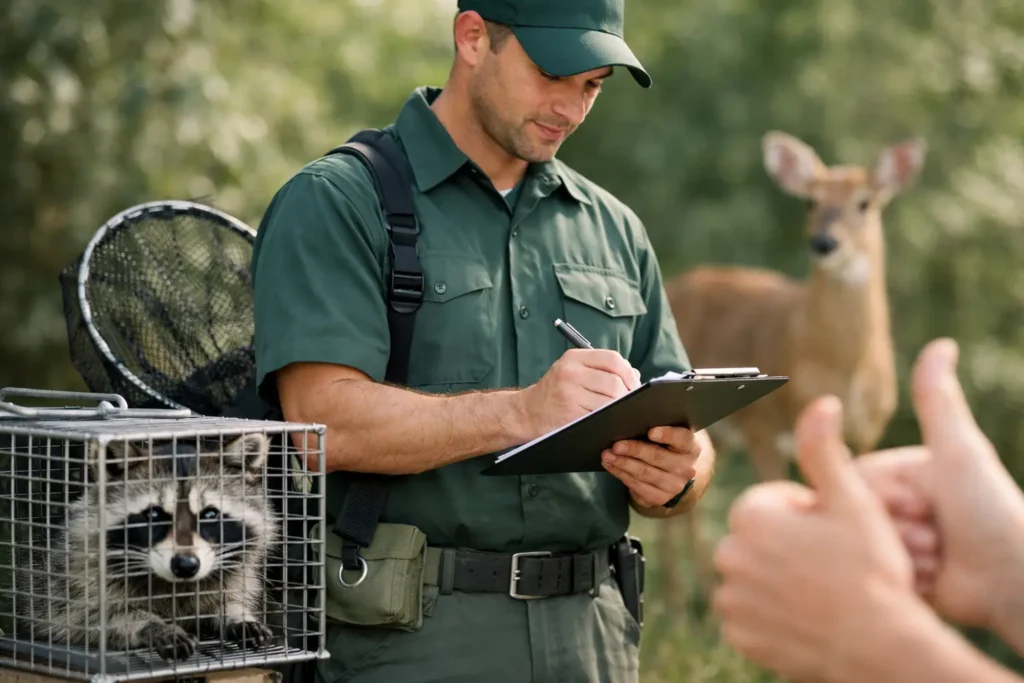
A raccoon in the attic, mice behind cabin walls, or bats in a chimney can turn into a health and property problem fast. Humane wildlife removal reviews can help you find a qualified local professional, but the most useful reviews do more than say a technician was friendly or arrived on time. They reveal whether the company protected the building, treated the animal responsibly, and stopped the problem from returning.

For homeowners, vacation-rental owners, and property managers in Big Bear Lake, Lake Arrowhead, Running Springs, Crestline, and nearby mountain communities, that distinction matters. Wildlife pressure is part of living near forests, open space, and changing seasonal weather. A removal that looks successful on day one may fail if entry points, nesting material, droppings, and food sources are left behind.

What Humane Wildlife Removal Should Actually Mean

Humane removal is not simply relocating every animal that enters a structure. In many situations, relocation can be stressful for wildlife, separate mothers from young, or move the problem to someone else’s property. Responsible wildlife control starts with identifying the species, understanding the animal’s behavior, and following applicable wildlife regulations.

A humane approach aims to remove or exclude nuisance animals with the least practical stress while protecting people, pets, and the property. For a squirrel or raccoon in an attic, that may involve a one-way exclusion device that lets the animal leave without getting back inside. For bats, it may require timing work around maternity seasons and using proper exclusion methods rather than trapping. For rodents, humane service still has to address sanitation and population control because mice and rats can spread contamination and damage wiring.

The best providers do not treat every wildlife call the same way. A skunk under a deck, a woodpecker damaging siding, and a mouse infestation in a restaurant each require a different plan. Reviews that describe species-specific work are generally more helpful than vague comments about “getting rid of pests.”

How to Read Humane Wildlife Removal Reviews

A five-star rating is a useful starting point, not the whole decision. Read recent written reviews and look for details about the work performed. Property owners often remember the outcome: whether the scratching stopped, whether odors improved, whether the technician showed them access points, and whether the issue returned after heavy weather or a change in season.

Pay close attention to reviews that mention an inspection before treatment. Wildlife removal should not begin with guesswork. A technician should inspect likely entry points, evaluate signs such as droppings, rub marks, nesting material, chewed wood, or damaged vents, and explain what is happening. In mountain cabins and older homes, small construction gaps can become repeat access routes for mice, squirrels, birds, and bats.

Reviews are especially valuable when they explain how a company handled a difficult situation. Maybe a tenant needed a bird problem resolved without disrupting customers. Maybe a cabin owner was away and needed clear documentation. Maybe a family was concerned about young animals in the attic. Those examples show whether the company communicates clearly, adjusts to real property conditions, and respects both the customer and the animal.

Look for Proof of Exclusion and Repairs

Removing an animal without sealing the entry point is often temporary. A raccoon can return to the same roof gap. Mice can enter through openings that seem far too small. Birds may reoccupy protected ledges, vents, and eaves when nesting conditions remain unchanged.

Strong reviews commonly mention block-out work, rodent proofing, screen repair, vent protection, chimney caps, or closing gaps around utility lines and rooflines. This is one of the clearest signs that a company is solving the source of the problem instead of selling a one-time visit.

The trade-off is that thorough work can cost more than a basic trap-and-go service. That is not automatically a red flag. The right question is whether the estimate explains what is being done, why it is needed, and what prevention result you can reasonably expect. A good provider will not promise that wildlife will never enter the neighborhood again. They can help make your building much less accessible and less attractive.

Notice How Reviews Describe Cleanup

Droppings, urine, nesting debris, and carcasses can create odor, attract insects, and contaminate enclosed areas. This is especially relevant after rodent, bird, bat, or raccoon activity in attics, crawl spaces, garages, and wall voids. Removal is only one part of restoring a safe space.

Look for reviews that mention cleanup, disinfection, odor control, insulation assessment, or communication about health concerns. A company should explain what it can safely clean and when extensive damage may call for additional repairs or restoration work. The scope depends on the species, the length of the infestation, and where the contamination is located.

A brief mouse issue in a garage may need targeted sanitation and exclusion. Years of rodent activity in an attic can require far more work. Detailed reviews can help set expectations, but an on-site inspection is the only way to assess the condition of your property accurately.

Questions Reviews Cannot Answer for You

Even excellent humane wildlife removal reviews cannot replace a conversation with the company. Before scheduling service, ask how the technician will confirm the species, whether young animals may be present, and what exclusion or prevention work is recommended. Ask whether cleanup is included in the estimate or priced separately, especially if there are droppings in insulation or hard-to-reach areas.

It is also reasonable to ask about timing. Some exclusions must be scheduled carefully to avoid trapping animals inside or separating dependent young. Weather can affect roof access and wildlife behavior in mountain communities. A professional should be direct about those limits rather than offering a fast answer that creates a bigger problem later.

For commercial properties and vacation rentals, ask how documentation, scheduling, and follow-up are handled. A property manager may need photos of entry points, a clear service record, and a plan that minimizes disruption for guests or tenants. These practical details are not always visible in an online review, but they can make a major difference when a wildlife issue affects your business or rental calendar.

Red Flags in Wildlife Removal Feedback

Not every negative review means a company is unqualified. Wildlife work can be unpredictable, and a customer may be frustrated by a necessary wait period or the cost of repairing significant damage. Still, patterns matter.

Be cautious when reviewers repeatedly say they were pressured into service without an inspection, were not told about exclusion needs, or had animals return immediately through the same opening. Concerns about unexplained charges, poor communication, unsafe handling, or a technician refusing to discuss cleanup should also prompt more questions.

Another warning sign is a company that describes all wildlife as pests to be eliminated without considering species, regulations, or the conditions that brought the animal onto the property. Effective control should protect your home and reduce risk without unnecessary harm. Humane does not mean ignoring contamination or allowing an animal to remain in your attic. It means choosing responsible methods and following through with prevention.

Local Knowledge Changes the Result

Mountain properties present challenges that a general pest company may not see every day. Snow, wind, pine needles, elevated decks, unoccupied cabins, aging rooflines, and nearby forest habitat all create opportunities for wildlife. A technician who understands local conditions can inspect the places animals are most likely to use and recommend materials suited to the property.

That is why the strongest reviews often mention local experience, not just quick scheduling. Outbackzack serves Southern California mountain communities with humane nuisance animal removal, rodent control, bird control, exclusion, cleanup, and disinfection designed around the conditions local properties face.

When comparing providers, choose the one that is prepared to inspect carefully, explain the plan in plain language, protect the building after removal, and answer your questions honestly. The right service should leave you with more than a quiet attic for a few days. It should give your home, cabin, rental, or business a better chance of staying safe, clean, and wildlife-free where it counts: indoors.