
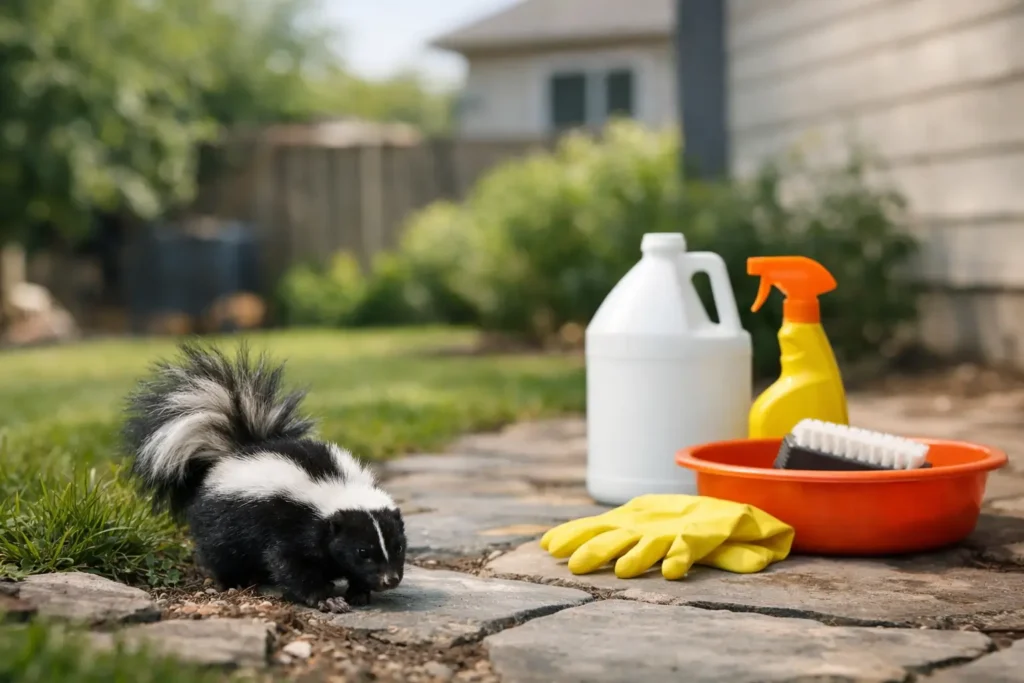
A skunk spray problem can turn a quiet mountain morning into a cleanup emergency fast. Whether the odor is on your dog, drifting through a cabin, or trapped beneath a deck, knowing how to remove skunk odor starts with acting quickly and treating the source – not just covering the smell with fragrance.
Skunk spray is an oily secretion containing sulfur-based compounds called thiols. Those compounds cling to fur, fabric, porous building materials, and vehicle interiors. That is why air fresheners, candles, and tomato juice may make a space smell different for a few minutes, but they rarely solve the problem.
How to Remove Skunk Odor Safely
Before cleaning, protect your eyes, skin, and breathing space. Open windows and doors if conditions allow, keep children and pets away from the affected area, and wear gloves and old clothing. If spray reached anyone’s eyes or causes severe irritation, flush the area with cool water and contact a medical professional or veterinarian.
For most fresh skunk odor on washable surfaces, the most effective home treatment is a fresh mixture of 1 quart of 3% hydrogen peroxide, 1/4 cup baking soda, and 1 teaspoon of liquid dish soap. This combination helps break down the odor-causing thiols instead of simply masking them.
Use the mixture immediately after combining it. Do not store it in a sealed container, because pressure can build up. Apply it carefully to the affected area, allow it to sit briefly, then rinse thoroughly. Hydrogen peroxide can lighten dark fur, fabric, carpet, and upholstery, so test a small hidden area first and use extra caution on colored materials.
Avoid mixing cleaning chemicals. In particular, never combine peroxide with bleach, ammonia, or other household cleaners. A stronger-smelling mixture is not a better one, and incompatible products can create dangerous fumes or damage surfaces.
Removing Skunk Odor From Pets
A sprayed dog is usually the first concern for homeowners. Keep your pet outside or in an easy-to-clean area until you can begin washing them. Bringing a sprayed pet straight into the house spreads the oil to rugs, furniture, bedding, and walls.
Check the eyes, nose, and mouth first. If your pet was sprayed directly in the face, gently flush the eyes with clean water for several minutes. Call your veterinarian if redness, squinting, discharge, vomiting, breathing trouble, or unusual behavior continues.
For the coat, work the peroxide, baking soda, and dish soap mixture through dry fur while avoiding the eyes, ears, nose, and mouth. Let it sit for about five minutes, then rinse completely and follow with pet shampoo if needed. Very small pets, senior pets, animals with sensitive skin, and pets with dark or color-treated coats may be better served by a veterinarian-approved skunk deodorizing product.
Do not use the homemade mixture repeatedly in one day. It can dry the skin and coat. Launder collars, harnesses, blankets, and pet bedding separately, using regular detergent and an odor-neutralizing laundry additive that is safe for the material.
Getting Skunk Smell Out of the House
When the spray happened outside, the odor can still enter through open windows, gaps around doors, crawl-space vents, or an HVAC system. Start by airing out the building when weather permits. In Big Bear and other mountain communities, that may mean short, controlled ventilation periods rather than leaving the home open all day in cold weather.
Wash hard surfaces near the spray zone with a mild detergent solution first. Exterior doors, porch railings, patio furniture, siding, trash bins, and entryway flooring often hold the oily residue. Rinse outdoor surfaces gently rather than blasting them with a pressure washer, which can spread residue or force it deeper into wood and cracks.
For washable fabrics, pre-treat the affected area and wash according to the care label. Use the warmest water the fabric can safely handle. Do not put items in the dryer until the odor is gone, because heat can set remaining odor into fibers. Curtains, blankets, removable cushion covers, and entry rugs may need more than one wash.
Carpet and upholstery require more care. Blot fresh residue with clean towels rather than rubbing it farther into the fibers. A professional-grade odor treatment may be necessary for heavily sprayed carpet, upholstered furniture, insulation, or unfinished wood. Fragranced sprays are not a substitute for cleaning, and they can make it harder to tell whether the odor source has actually been removed.
If the smell persists throughout the home, check your HVAC filter. Replace the filter if it has absorbed the odor, and have the system inspected if skunk smell is blowing from vents. A hidden animal beneath the building, inside a crawl space, or near ductwork can create a recurring odor that cleaning alone will not fix.
Removing Skunk Odor From a Vehicle
Skunk spray on tires, wheel wells, undercarriage components, or a vehicle parked near the encounter can make every trip unpleasant. Wash the exterior with automotive-safe soap, paying close attention to the lower panels and undercarriage. Avoid using harsh peroxide mixtures on painted surfaces, leather, or delicate interior materials without testing first.
For an affected interior, remove washable floor mats and fabric items. Vacuum thoroughly, clean upholstery with a product designed for the material, and replace the cabin air filter if odor comes through the vents. If spray entered the vehicle directly or the odor remains after cleaning, professional detailing is often the safer option. The goal is to remove oily residue without damaging interior finishes or electrical components.
Why Tomato Juice Usually Falls Short
Tomato juice is a familiar home remedy, but it does not neutralize skunk spray effectively. Its strong scent can temporarily compete with the odor, creating the impression that the smell is gone. Once the tomato scent fades, the skunk odor often returns.
The same is true of perfume, scented candles, essential oils, and heavily fragranced cleaners. These products may be useful after proper cleaning, but they should not be the main response. Skunk odor is a contamination issue, not just an unpleasant smell.
Stop the Odor From Coming Back
A strong smell around a deck, shed, crawl space, or woodpile may mean a skunk is still nearby. Skunks are generally nonaggressive and beneficial in the environment, but they can become a nuisance when they den beneath structures or repeatedly spray near homes, cabins, vacation rentals, and commercial buildings.
Do not seal an opening until you are certain the animal is out. Blocking a skunk inside can lead to more odor, property damage, or orphaned young during denning season. Instead, a trained wildlife professional can inspect the site, identify active entry points, use humane removal methods when needed, and complete exclusion repairs after the area is clear.
Property prevention often includes securing trash containers, removing fallen fruit and accessible pet food, repairing damaged skirting, screening crawl-space openings, and reducing hiding places beneath decks and sheds. In wooded communities, these steps also help reduce attraction for raccoons, rodents, and other nuisance wildlife.
Outbackzack provides humane skunk removal, cleanup, exclusion, and block-out repairs for mountain properties where wildlife pressure is part of everyday life. If you suspect a skunk is living under your home or the odor will not clear after cleaning, prompt inspection can prevent a one-time encounter from becoming a recurring property problem.
A skunk does not need to become a crisis, but the odor deserves a thoughtful response. Clean the affected surfaces, protect pets and people, and address the access point that brought the animal close to your property in the first place.