
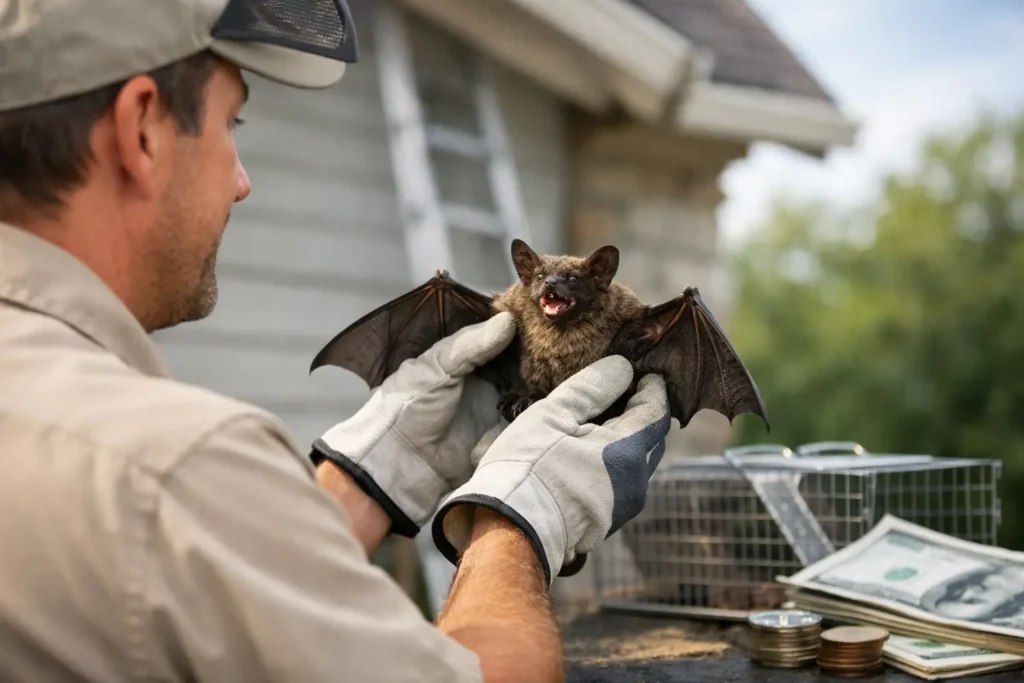
If you have bats in the attic, the question usually comes fast – what is humane bat removal cost, and why does one quote look very different from another? In mountain communities, that answer depends on more than simply getting bats out. The real cost is tied to timing, entry points, guano cleanup, health risk, and whether the work actually keeps the colony from coming back.
Humane bat work is not the same as a quick pest spray or a one-visit trap job. Bats are protected in many situations, they return to established roosts, and improper removal can leave young bats stranded inside walls or attics. A professional humane approach is built around inspection, exclusion, cleanup, and long-term sealing. That makes pricing more involved, but it also makes the result safer for your property, your family, and the animals.
What affects humane bat removal cost
The biggest factor is the size and complexity of the infestation. A small roost with one or two active entry points is usually more straightforward than a large colony spread across fascia gaps, rooflines, vents, or ridge caps. The more access points a technician has to identify and seal, the more labor goes into the job.
Home design matters too. In Big Bear, Lake Arrowhead, Running Springs, and nearby mountain areas, many homes have steep roofs, dormers, exposed beams, attic voids, and aging exterior materials. Those features create ideal hiding and entry spots for bats, but they also make removal and exclusion more technical. A cabin with easy roof access will generally cost less than a multistory home with difficult elevations and heavy repair needs.
Season is another major variable. Humane bat exclusion often has to be timed around maternity season. If flightless pups are present, full removal may need to wait until the colony can leave safely. That does not mean nothing can be done. Inspection, planning, temporary containment measures, and scheduling the correct exclusion window still have value. But timing can affect both the scope and pace of the work.
Then there is contamination. Bat droppings are not just unpleasant. Guano can damage insulation, create strong odors, attract insects, and raise health concerns when it accumulates. If the infestation has been active for months or years, cleanup and sanitation may become a large part of the total project cost.
Typical price ranges homeowners may see
Humane bat removal cost usually falls into a range rather than a fixed price. For a smaller, simple exclusion job, homeowners may see pricing start in the few hundred to low thousand dollar range. For larger homes, complex rooflines, multiple entry points, or heavy cleanup, the total can rise significantly.
A professional inspection is often the first step. Some companies offer free estimates after evaluating the structure, while others charge for specialized wildlife inspections. What matters most is whether the inspection is detailed enough to identify active openings, likely secondary gaps, signs of colony size, and contamination levels.
Exclusion work itself often includes installing one-way devices that allow bats to exit but not re-enter, followed by sealing all confirmed and potential access points. If repairs are limited, pricing stays more manageable. If the home needs extensive block-out work around eaves, vents, roofing transitions, or siding gaps, that number can climb.
Cleanup and restoration are often priced separately. Light droppings in one corner of an attic are very different from widespread guano saturation, stained drywall, or damaged insulation. Once sanitation, odor control, and material replacement are added, the final bill can move well beyond the initial removal quote.
Why humane bat removal cost is higher than basic pest work
Some property owners are surprised when humane bat removal cost comes in above standard pest control pricing. That difference usually comes down to the process. Bat removal is not about killing or poisoning animals, and it should never be treated like rodent baiting.
A proper humane job requires species-aware timing, structural inspection, ladder and roof work, specialized exclusion devices, and close attention to re-entry prevention. If cleanup is needed, the work may also involve protective equipment, contaminated material removal, disinfection, and attic restoration. In other words, you are paying for a system, not just a single visit.
That higher upfront cost can save money later. A cheap shortcut often turns into a repeat problem. If even one main entry hole is missed, bats may return to the same roost and the contamination keeps growing. Paying for thorough exclusion is usually less expensive than paying twice for failed removal plus bigger repairs.
What should be included in the quote
A solid quote should explain exactly what services are covered. That starts with inspection and identification of active and suspected bat entry points. It should also spell out whether one-way exclusion devices are included, how long they remain in place, and what sealing work will happen after the bats exit.
If sanitation is needed, the estimate should clarify whether guano removal, disinfection, odor treatment, and insulation replacement are part of the project or separate services. This is where homeowners sometimes compare two bids that look far apart in price but are not actually offering the same scope.
Warranty terms are worth reviewing as well. Some companies stand behind their exclusion work for a defined period, while others charge for every return visit. That matters in mountain settings where seasonal weather, snow load, and aging wood can open new gaps over time.
Mountain homes can face higher costs
Bat issues in Southern California mountain communities often come with conditions that push pricing upward. Cabins and second homes may sit vacant part of the week or much of the season, which gives bats time to settle in unnoticed. By the time the scratching, chirping, or droppings are found, the colony may already be established.
Older properties also tend to have more construction gaps, warped trim, loose screening, and unsealed roof intersections. Those details matter because bats can enter through surprisingly small openings. When a structure has many vulnerable points, exclusion becomes more labor-intensive.
Weather exposure is another factor. Wind, snow, freezing temperatures, and summer heat can all stress roofing and exterior materials. On homes at elevation, a lasting bat solution often requires more careful sealing and repair than a similar job in a less demanding environment.
When lower pricing can be a warning sign
Not every low quote is bad, but unusually cheap bat removal should raise questions. If the plan is vague, skips exclusion details, or does not address cleanup and re-entry prevention, the savings may disappear fast.
Bat poison should not be part of a humane service. Neither should sealing active holes while bats are still inside. Those mistakes can leave dead animals in walls, trapped bats in living spaces, and a much larger odor and sanitation problem. A lower bid that ignores legal, humane, or structural best practices is often not a bargain.
It is also worth asking whether the company has direct experience with wildlife removal, not just general pest control. Bats require a different level of inspection and exclusion knowledge. A contractor who understands local structures and local wildlife pressure is more likely to catch the details that determine whether the fix lasts.
How to keep bat removal from becoming more expensive
The best way to control cost is to act early. A few droppings near a gable vent or chimney edge may point to a small access issue that can be corrected before a colony grows and contamination spreads. Waiting usually increases the scope of both removal and cleanup.
Regular exterior checks help, especially after storms or seasonal temperature swings. Loose vent screens, lifted flashing, open eave gaps, and roofline separations are common trouble spots. If you own a vacation rental, cabin, or seasonal home, routine inspections are even more valuable because long quiet periods give wildlife an advantage.
It also helps to choose a company that can handle the full job. Removal without exclusion leaves the door open. Exclusion without cleanup leaves health and odor problems behind. The strongest value usually comes from a provider that can inspect, remove, sanitize, and secure the structure in one coordinated plan.
For property owners in mountain communities, bat problems are rarely just about noise overhead. They affect sanitation, building integrity, and peace of mind. A fair quote for humane work reflects the care it takes to remove bats responsibly and keep them out for good. If you are comparing estimates, focus less on the cheapest number and more on whether the plan truly protects your home, your tenants, and the wildlife that belongs outside.