
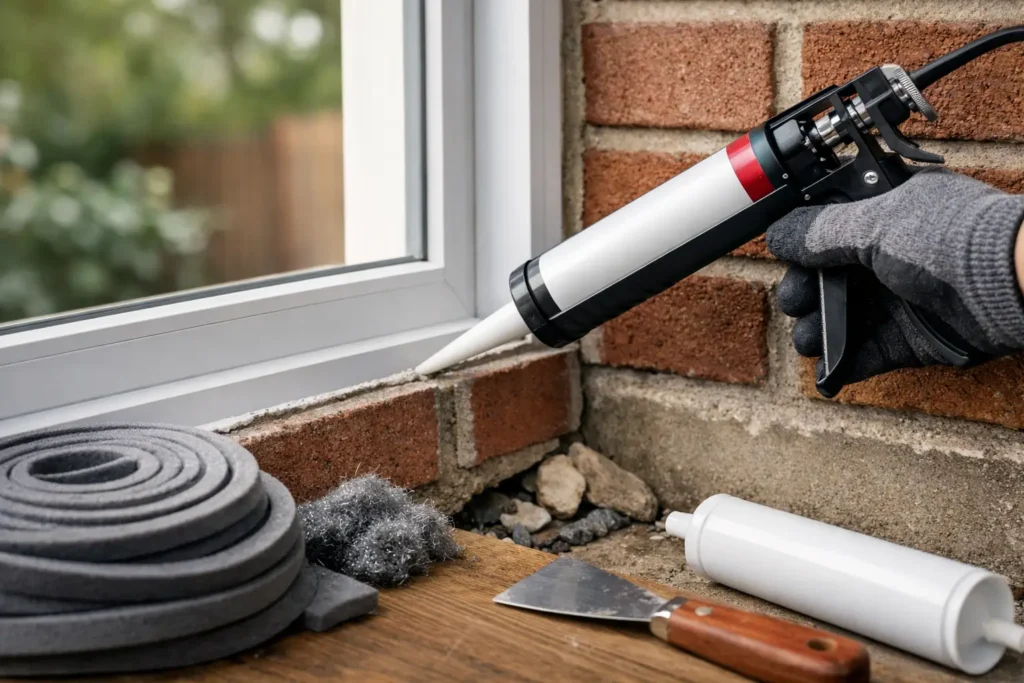
A mouse in the attic or a squirrel in the eaves usually means one thing: the opening is still there. If you want to know how to seal entry points, the real job is not just stuffing a hole and hoping for the best. It is finding where animals are getting in, choosing materials that hold up in mountain weather, and closing access without trapping wildlife inside.
In Big Bear, Lake Arrowhead, Running Springs, Crestline, and nearby mountain communities, homes deal with a different set of pressures than a typical suburban property. Snow, wind, aging rooflines, crawl spaces, wood siding, and heavy tree cover all create opportunities for rodents, birds, bats, raccoons, and squirrels. A proper exclusion plan has to match those conditions or the problem comes back.
Why sealing entry points matters
Most pest problems do not start in the middle of a room. They start at the roof edge, under the deck, around utility lines, behind attic vents, or through a gap that looked too small to matter. Rodents can squeeze through openings far smaller than most people expect, and larger animals often widen weak spots over time.
Once they get inside, the damage moves fast. Insulation gets contaminated, wiring can be chewed, droppings build up, and nesting materials collect in hard-to-reach areas. With birds and wildlife, there is also the added issue of noise, odor, and repeated re-entry during nesting seasons. Sealing access points is what turns removal into real prevention.
How to seal entry points without making the problem worse
The biggest mistake property owners make is sealing first and inspecting second. If an animal is still inside, closing the opening can force it deeper into the structure or separate mothers from young. That creates a bigger cleanup problem and, in some cases, a humane issue that could have been avoided.
The right order is inspection, removal, confirmation, then repair. You need to identify active use, understand which species is involved, and make sure all animals are out before the final seal is installed. For some situations, especially with bats, nesting birds, raccoons, or squirrels, timing matters just as much as materials.
A second common mistake is using the wrong product. Spray foam alone is not a wildlife barrier. Caulk is useful in narrow finish gaps, but it will not stop a determined rodent from chewing through a vulnerable area. Plastic vent covers, light screen, and weak patch materials often fail quickly in exposed mountain conditions.
Start with a full inspection, not a quick patch
A good inspection looks beyond the obvious hole. Entry points are often part of a pattern. If one vent corner is open, nearby roof returns, fascia gaps, chimney joints, and crawl space penetrations may also be vulnerable.
Look closely at rooflines, attic vents, gable vents, soffits, fascia boards, garage corners, pipe penetrations, crawl space screens, foundation gaps, deck voids, and where siding meets stone or concrete. On cabins and older homes, wood shrinkage and settling can create long, narrow openings that are easy to miss from the ground.
You also want to read the evidence correctly. Grease marks, rub staining, droppings, nesting debris, chewed edges, feathers, and tracks in dust all tell you whether the opening is active. A stain around a gap does not always mean current use, but fresh debris usually does. That is why exclusion work should be based on signs, not guesses.
Best materials for sealing common access points
The material depends on the location, the species pressure, and how exposed the area is to weather. In most cases, durable exclusion work combines more than one layer.
For rodents, galvanized steel mesh and metal flashing are far more reliable than foam by itself. The mesh blocks chewing access, while flashing protects edges and corners that mice and rats target. Foam can be used as a backing or filler in some situations, but not as the main defense.
For vent openings, heavy-duty metal screening or purpose-built vent covers work better than lightweight screen material. The goal is airflow without access. For roof returns, soffit gaps, and construction joints, flashing and mechanical fastening usually hold up better than adhesive-only repairs.
For larger wildlife such as raccoons or squirrels, strength matters. A loose patch may stop insects, but it will not hold against an animal that climbs, pulls, and tests weak spots. Fasteners, structural backing, and properly fitted metal barriers are part of the repair, not optional extras.
Common entry points around mountain homes
In local mountain communities, some trouble spots show up again and again. Attic vents are high on the list because warm attic air attracts animals during colder months. Gaps at roof intersections are another common issue, especially where pine needles and debris collect and hide damage.
Crawl spaces are also a frequent target. Loose screens, broken vent covers, and utility penetrations give rodents a low, sheltered way in. Under cabins and raised homes, the space between the ground and structure can become a staging area for repeated intrusion.
Garages, sheds, and vacation rentals deserve special attention. These buildings often stay quiet for periods of time, which gives animals a chance to settle in before anyone notices. A property that sits empty for part of the season needs tighter exclusion than one that is checked daily.
How to handle active infestations before sealing
If there are fresh droppings, sounds in the wall, nesting material, or visible animal traffic, do not seal the opening shut and assume the issue is solved. The active animal has to be removed first, and that process depends on the species.
Rodent control usually involves targeted trapping, sanitation, and a follow-up exclusion plan. Wildlife removal can require one-way doors, hands-on removal, or timing adjustments to avoid harming young animals. Bird issues may involve nest management, cleanup, and legal considerations depending on the species.
This is where humane service matters. The goal is to protect the structure without causing unnecessary harm. A responsible plan removes the problem animal, prevents return, and avoids turning a manageable issue into a dead-animal cleanup inside the wall or attic.
How to seal entry points for long-term protection
Permanent exclusion is not about making a home airtight. It is about controlling access while preserving ventilation and function. Roof vents still need to vent. Crawl spaces still need appropriate airflow. Utility lines still need safe clearance. Good sealing work solves the pest issue without creating moisture or maintenance problems later.
That is also why workmanship matters. A patch that looks fine from the driveway may fail at the first freeze, first storm, or first determined animal. Clean fitting, proper fastening, weather-resistant materials, and attention to every nearby gap are what make the repair last.
In high-altitude areas, snow load, UV exposure, and temperature swings can wear down weak materials faster than expected. If the repair is exposed, build for the climate, not just the current season.
When DIY makes sense and when it does not
Small, clearly inactive gaps around noncritical exterior areas can sometimes be handled by a careful property owner. If you know the opening is not in use, the species risk is low, and you can install durable materials correctly, a minor repair may be reasonable.
But attics, rooflines, active infestations, bat issues, bird nesting areas, and larger wildlife entry points are different. Those situations usually need a trained inspection and a species-specific plan. The trade-off is simple: a quick DIY patch may save money today, but failed exclusion often leads to repeat entry, contamination, and larger repair costs later.
For homeowners and property managers in the mountains, that risk goes up when buildings are older, partially vacant, or surrounded by trees. A hidden gap near the roof can stay active for weeks before anyone notices.
What a professional exclusion plan should include
A proper service should identify all likely entry points, not just the one where activity was first noticed. It should separate active openings from secondary vulnerabilities, remove animals humanely, and complete repairs with materials suited to the species and the structure.
It should also address the aftermath. Droppings, urine contamination, nesting debris, and damaged insulation are part of the problem. If cleanup and disinfection are skipped, the property may still have odor, health concerns, and conditions that attract future activity.
That full approach is what turns exclusion into protection. Outbackzack handles that process with humane removal and eco-conscious prevention designed for the realities of Southern California mountain properties.
If you are trying to figure out how to seal entry points, think bigger than the hole you can see. The right repair protects your home, respects wildlife, and gives you a much better chance of staying pest-free through every season.