
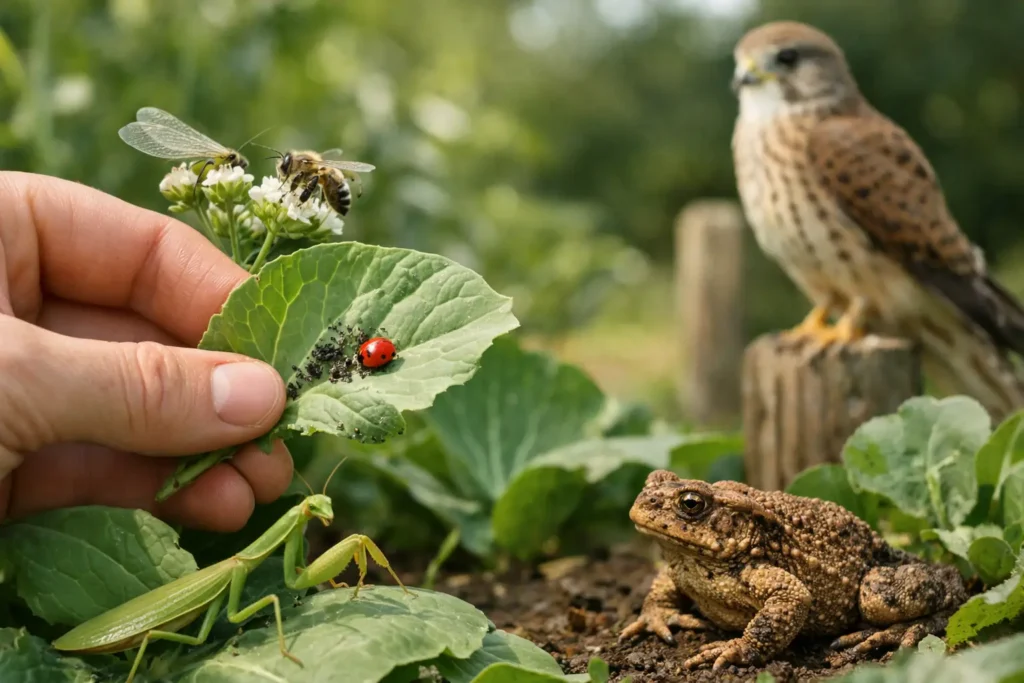
A scratching sound in the attic at 2 a.m. changes the conversation fast. Most property owners are not asking for a chemistry lesson – they want the problem handled, the home protected, and the risk to pets, kids, and local wildlife kept as low as possible. That is exactly why so many people ask, what is natural pest control?
Natural pest control is a way of managing pests with methods that reduce reliance on harsh chemical treatments. Instead of treating every problem with broad sprays or poisons, it focuses on prevention, exclusion, habitat changes, sanitation, and targeted solutions that work with the environment rather than against it. In mountain communities where homes back up to forest, brush, crawl spaces, and open wildlife corridors, that approach often makes more sense than a one-size-fits-all extermination plan.
What is natural pest control in real-world terms?
In plain terms, natural pest control means solving the pest issue by removing what attracts the animal or insect, blocking access, and using lower-impact control methods whenever possible. The goal is not to ignore the problem or hope nature handles it. The goal is to stop the infestation while protecting people, property, pets, and the surrounding ecosystem.
That matters in places like Big Bear Lake, Lake Arrowhead, Running Springs, Crestline, and nearby mountain communities, where pest activity is tied to weather shifts, food availability, seasonal nesting, and the layout of the property itself. A cabin with gaps under the eaves, open crawl space vents, bird nesting ledges, and accessible trash is going to keep having pest problems no matter how many products get sprayed around it.
Natural pest control starts by asking better questions. Why are mice getting inside? Why are raccoons under the deck? Why are swallows returning to the same entry point? Why are ants showing up in one section of the building and not another? Once you answer that, the fix becomes more durable.
How natural pest control works
The most effective natural pest control plans usually combine a few core strategies. The first is inspection. If you do not know where pests are entering, nesting, feeding, or traveling, you are guessing. A proper inspection looks for entry points, droppings, rub marks, nesting material, chew damage, moisture issues, and food sources.
The second is exclusion. This is where long-term results usually come from. Sealing gaps, screening vents, reinforcing roof returns, repairing broken access points, and blocking structural openings keep pests from coming back. For rodents, bats, birds, and other nuisance animals, exclusion is often the difference between temporary relief and a repeat problem next month.
The third is sanitation and cleanup. Pests are drawn to what helps them survive. Pet food left outside, unsecured trash, fallen fruit, standing water, grease buildup, cluttered storage areas, and droppings in attics or crawl spaces all create conditions that support infestations. Cleaning and correcting those conditions is not glamorous, but it is one of the most natural and most effective forms of pest control available.
The fourth is targeted removal or treatment. This is where people sometimes get confused. Natural pest control does not always mean doing nothing or avoiding every tool. It means using the least harmful effective method for the specific problem. That may include humane trapping, one-way doors, nest removal where legally appropriate, focused insect treatments, or species-specific control methods that avoid unnecessary environmental impact.
Natural does not mean weak
A common misconception is that natural pest control is softer, slower, or less serious. In practice, it is often more disciplined. It addresses the source of the infestation instead of just the symptoms.
If you have rats in the attic, killing a few rodents without sealing access points and removing attractants is not a complete solution. If birds are nesting on a commercial building, removing nesting material without changing the structure that supports repeat nesting will not hold. If skunks are living under a shed, treating odor alone does nothing to stop the denning cycle.
Natural pest control is effective because it treats the property as a whole system. It looks at access, shelter, food, moisture, and breeding conditions. That is especially important in wooded and high-altitude areas where wildlife pressure is constant and seasonal patterns are predictable.
Where natural pest control fits best
Natural pest control is especially well suited for recurring problems, sensitive environments, and properties where people want a safer long-term strategy. Homes with children and pets often benefit from reduced chemical exposure. Vacation rentals and hospitality properties benefit from prevention-first pest management because repeat sightings can damage reviews and guest confidence. Commercial properties benefit because exclusion and sanitation support compliance, cleanliness, and customer trust.
It is also a strong fit for nuisance wildlife issues. Rodents, squirrels, raccoons, skunks, bats, and birds are not the same as a minor seasonal insect flare-up. These problems usually involve entry points, nesting behavior, contamination, and structural damage. Humane removal and exclusion are often more responsible and more effective than methods built around poison or lethal control.
That said, there are situations where stronger intervention is necessary. Some insect infestations spread quickly. Some health risks require immediate containment. Some severe infestations need a combined strategy that includes targeted products in addition to exclusion and cleanup. A good natural pest control plan is practical, not rigid.
What natural pest control includes for common pest problems
For rodents, natural pest control usually means inspection, trapping where appropriate, sanitation, rodent proofing, and closing every viable entry point. Poison alone can create secondary problems, including dead animals in walls, odor, and risk to non-target animals.
For birds, the focus is often on humane removal, nest management according to species and regulations, and physical deterrents that stop roosting and nesting without causing unnecessary harm. The exact method depends on the bird, the season, and the structure.
For raccoons, skunks, squirrels, and similar nuisance animals, natural control generally centers on humane trapping or removal, den exclusion, and repairs that prevent re-entry. The work does not end when the animal leaves. The structure has to be secured.
For insects, the answer depends on the species. Sometimes natural control means removing moisture, sealing cracks, reducing harborage, and using low-impact products only where activity is concentrated. In other cases, especially with larger infestations, a broader treatment may still be needed. The natural approach is about precision and prevention, not pretending every pest problem can be fixed with one home remedy.
Why mountain properties need a different mindset
Homes in Southern California mountain communities face a different mix of pressure than homes in dense suburban tracts. Cabins sit near trees, rooflines collect debris, crawl spaces stay cool and dark, and seasonal occupancy can let pest issues grow unnoticed. Snow, cold snaps, summer heat, and dry conditions all affect how animals and insects move.
That is why natural pest control works best when it is local and property-specific. A standard spray service may miss the bigger issue if the real problem is a roof gap, a damaged vent, a broken screen, or a food source outside. Mountain properties need someone who understands how wildlife and pests behave in these conditions and how to secure a structure for the long term.
What to look for in a natural pest control provider
If you are hiring help, look for a company that talks about inspection, exclusion, sanitation, cleanup, and prevention – not just treatment. Ask how they handle wildlife humanely. Ask whether they identify entry points and offer repairs or block-out work. Ask how they reduce risk to pets, people, and non-target animals.
You also want a provider who understands that droppings, urine contamination, nesting debris, and damaged insulation are part of the problem. Removal without cleanup is incomplete. Cleanup without exclusion is temporary. The strongest service combines all three.
That is the practical difference between a quick fix and a real solution. Companies like Outbackzack have built their reputation around that broader approach because mountain property owners do not just need pests gone – they need their homes, cabins, and businesses protected from the next round too.
The real value of natural pest control
The best reason to choose natural pest control is not marketing language. It is performance over time. When pest control is built around prevention, humane removal, and lower-impact methods, the result is often cleaner, safer, and more sustainable for the property.
You are not just reacting to a mouse, a bat, a bird nest, or a raccoon under the deck. You are correcting the conditions that allowed it to happen. That protects your building, reduces repeat infestations, and respects the fact that living in mountain communities means sharing space with wildlife, even when that wildlife has no business being inside your structure.
If you are dealing with a current pest issue, the smartest next step is not the strongest product on the shelf. It is figuring out why the problem started and making sure it cannot settle in again.