
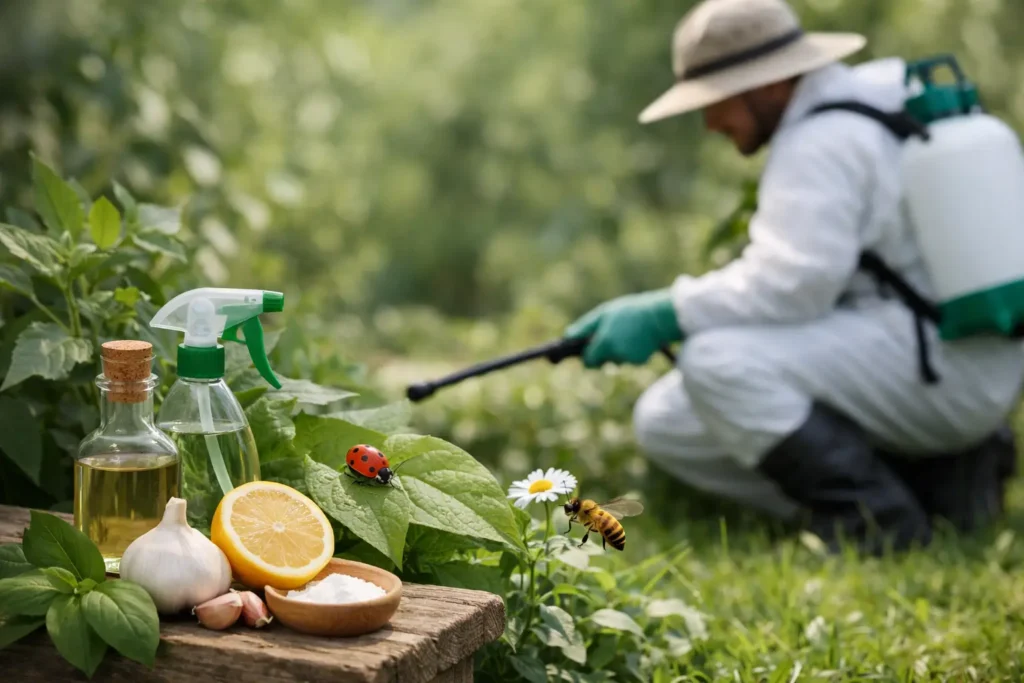
A mouse problem in a mountain cabin, birds nesting under eaves, or ants pushing into a kitchen after a temperature swing all raise the same question: what is green pest control, and does it actually work when the pressure is real? For homeowners and property managers in Southern California mountain communities, the answer matters because pest control is not just about getting rid of a problem. It is also about protecting people, pets, property, and the surrounding environment.
Green pest control is a practical approach that reduces pest activity while limiting unnecessary harm to wildlife, beneficial species, and the spaces where people live and work. It does not mean ignoring the problem or hoping pests leave on their own. It means using methods that are targeted, responsible, and built around prevention first, with lower-impact treatments when treatment is necessary.
What Is Green Pest Control?
At its core, green pest control focuses on solving pest problems with the least disruptive method that can still do the job well. That usually means identifying why the pest is there, removing the conditions that support it, sealing access points, improving sanitation, and choosing products or techniques that minimize broad environmental exposure.
That sounds simple, but in the field it takes experience. A rat infestation in an attic, for example, is not just a rat problem. It is often an access problem, a food-source problem, and a shelter problem all at once. Spraying or trapping without correcting those conditions may reduce activity for a short time, but it rarely solves the issue for long.
Green pest control is often confused with all-natural home remedies. They are not the same thing. Eco-conscious pest management can include professional products and tools, but the difference is in how they are selected and applied. The goal is precision, not overuse.
How Green Pest Control Works in Real Life
In real-world service calls, green pest control usually starts with inspection. Before any treatment plan is built, the source of activity has to be found. That might mean locating rodent entry points around rooflines, spotting moisture that attracts insects, or identifying nesting areas where birds or wildlife have settled in.
From there, the work usually moves toward integrated control. This means combining several methods instead of relying on a single chemical fix. A technician may recommend exclusion repairs, sanitation steps, habitat modification, trapping, nest removal where appropriate, and carefully chosen low-impact materials only where they are needed.
For mountain properties, this matters even more. Cabins, vacation rentals, retail buildings, and homes near wooded areas face steady pressure from rodents, nuisance birds, and wildlife looking for food, warmth, or nesting space. A green approach helps address that pressure without turning the property into a heavy-treatment zone.
Why Homeowners Often Prefer It
Most property owners are not asking for less effective service. They are asking for smarter service. They want pests gone, but they also want to know their family, guests, pets, and surrounding landscape are being considered.
That is one reason green pest control has gained attention. It aligns with what many people already want from a service company: solve the problem, avoid unnecessary exposure, and prevent it from happening again. In homes with children, pets, sensitive occupants, or frequent guests, that balance becomes even more important.
There is also a long-term property benefit. Green pest control puts heavy emphasis on exclusion and correction. When gaps are sealed, attractants are removed, and nesting sites are blocked off, the property becomes less vulnerable. That can reduce repeat infestations and the hidden costs that come with them, like insulation contamination, droppings cleanup, chewed wiring, and structural damage.
What Green Pest Control Usually Includes
The exact plan depends on the pest, the building, and the level of activity, but most green programs involve a mix of practical steps. Inspection is the foundation. Without it, treatment turns into guesswork.
Exclusion is one of the biggest pieces. If mice are getting into an attic through roof gaps, crawlspace vents, or utility penetrations, the entry points have to be closed. If swallows or pigeons are using ledges or eaves, the nesting and roosting conditions need to be addressed. If insects are being drawn in by moisture or food debris, those sources need to be corrected.
Humane trapping and removal may also be part of the plan, especially with nuisance wildlife. That approach fits green pest control because it aims to resolve conflicts responsibly instead of treating every animal as something to exterminate. Cleanup and disinfection can follow, since droppings, urine, and nesting materials often create health risks even after the animal is gone.
When products are used, green pest control favors targeted application over broad saturation. That could mean treating a specific ant trail instead of blanket spraying, or using materials in controlled areas where exposure can be limited. The point is not to avoid all treatment at all costs. The point is to use only what is necessary and only where it makes sense.
What It Is Not
Green pest control is not a promise that every situation can be solved without any pesticide or lethal control. Some infestations are severe. Some pests carry serious health risks. Some structural conditions create urgency, especially in commercial spaces or occupied rentals.
That is where honesty matters. A responsible provider should explain the trade-offs. In some cases, a green-first strategy is enough on its own. In others, a broader response may be needed to protect health and safety. The best approach is the one that solves the problem effectively while still reducing unnecessary impact wherever possible.
It is also not the same as a one-size-fits-all maintenance spray. If a company cannot explain what is attracting the pest, how it is getting in, and what needs to change to stop recurrence, the service is probably not truly green. It may just be marketed that way.
What Is Green Pest Control for Rodents, Birds, and Wildlife?
For rodents, green pest control usually centers on inspection, trapping, sanitation, and rodent proofing. Mice and rats do not need much space to get inside, and in mountain communities they are constantly looking for shelter from cold weather. A service plan that ignores entry points will usually fail.
For birds, the focus is often on humane deterrence, nest management where legally and seasonally appropriate, and blocking favored roosting or nesting areas. Bird issues are not just noisy or messy. Droppings can damage surfaces and create sanitation concerns around homes, storefronts, and shared buildings.
For wildlife such as raccoons, squirrels, skunks, or bats, green control means handling the problem with species-aware methods that respect both the law and the animal. That may include one-way exits, humane trapping where allowed, den assessments, and block-out work to keep the structure protected after removal.
This is where a company like Outbackzack stands apart. In mountain communities, pest control and wildlife control often overlap, and solving the issue responsibly takes more than a standard spray rig.
When Green Pest Control Makes the Most Sense
Green pest control is especially useful when the problem is recurring, when vulnerable occupants are present, or when the property sits close to natural habitat. That describes a lot of homes and commercial buildings in Big Bear, Lake Arrowhead, Running Springs, and nearby communities.
It also makes sense for vacation rentals and second homes. These properties can sit quiet for stretches, which gives rodents, insects, and birds time to settle in unnoticed. A prevention-focused approach helps reduce the chance of walking into a much bigger problem later.
Still, timing matters. The earlier a pest issue is addressed, the more green options are usually available. Once an infestation is advanced, choices can narrow. Waiting tends to make treatment more aggressive, more expensive, and more disruptive.
How to Tell if a Company Really Offers Green Pest Control
Ask how they inspect, not just how they treat. Ask whether they handle exclusion, cleanup, and prevention. Ask how they reduce risk to pets, people, and non-target animals. And ask what they do when humane or low-impact methods are not enough.
A real green pest control provider should be able to explain a strategy, not just a product. They should talk about access points, habitat conditions, sanitation, and long-term protection. They should also be clear about limits. Responsible service is not built on buzzwords. It is built on sound field decisions.
If you are dealing with pests in a mountain home, rental, or commercial property, green pest control is not about choosing between effectiveness and ethics. The best work does both. It protects the structure, reduces contamination and damage, and respects the environment that makes these communities worth living in. The sooner that process starts, the more options you usually have.