
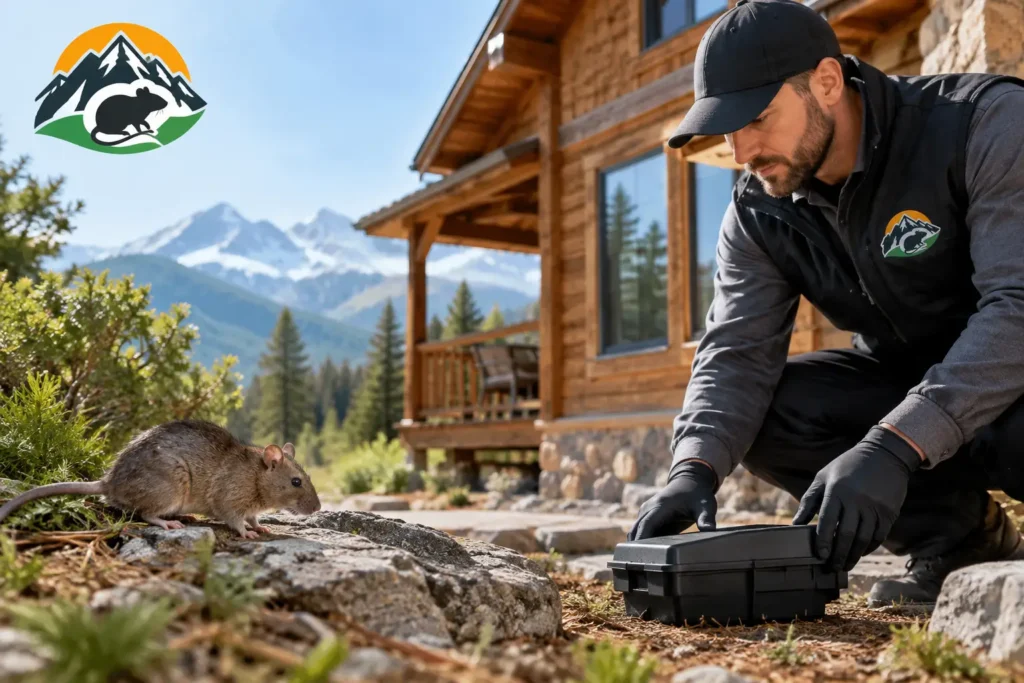
A rat problem rarely begins with a dramatic sighting. More often, it starts with scratching behind a wall after dark, a torn food bag in a pantry, or a few droppings in the garage. Effective rat control addresses those early warning signs before rats contaminate living spaces, damage insulation and wiring, or establish a breeding site inside the property.
For mountain homes, cabins, vacation rentals, and commercial buildings, the goal should not be to scatter poison and hope the activity stops. A lasting solution means finding where rats are feeding, nesting, and entering, then removing the problem humanely and closing off the conditions that brought them inside.
Signs You May Need Rat Control
Rats are excellent at staying out of sight. They travel along walls, under decks, through crawl spaces, and inside attics where homeowners may not look regularly. In wooded mountain communities, changing weather can drive them toward warmer, quieter buildings with dependable access to food and water.
Watch for a pattern of evidence rather than waiting for a direct sighting. Common signs include:
- Dark, capsule-shaped droppings in cabinets, garages, attics, or along walls
- Gnaw marks on wood, plastic containers, stored belongings, wiring, or pipes
- Greasy rub marks where rats repeatedly travel along a wall or beam
- Scratching, scurrying, or chewing sounds at night in ceilings and walls
- A stale, musky odor, especially in enclosed spaces or near nesting areas
Fresh droppings, new chew marks, and ongoing nighttime sounds suggest active activity. Older evidence can still point to an entry point or a former nesting area that needs sanitation and repair. Either way, ignoring it leaves the property vulnerable to another infestation.
Why Rats Become a Bigger Problem in Mountain Properties
A cabin can look secure from the outside and still offer a rat several easy ways in. Gaps around plumbing, damaged crawl-space vents, loose siding, roofline openings, and unfinished utility penetrations are common access points. Rats can also use overhanging branches, stacked firewood, and cluttered storage areas as protected travel routes.
Seasonal properties face a different challenge. A home that sits empty for days or weeks may provide rats with uninterrupted time to explore, nest, and reproduce. A small entry gap can become a much larger problem by the next visit, particularly if pet food, birdseed, trash, or pantry goods are accessible.
Food storage matters, but it is only part of the picture. Even a spotless property can attract rodents if there is a warm attic, a protected crawl space, or an opening near a water source. That is why rat control is not just a cleaning task. It is an inspection, removal, exclusion, and prevention process.
Start With a Property-Wide Inspection
The most useful first step is identifying the full scope of activity. Rats may be active in more than one location, and sealing a single visible gap before removal is complete can trap an animal inside the structure. That can lead to new damage as it searches for another way out.
A thorough inspection looks beyond the kitchen or garage. It should include the attic, crawl space, basement, roofline, exterior walls, deck areas, sheds, trash storage, utility connections, and nearby vegetation. Professionals also look for travel paths, droppings, nesting material, and the size and condition of possible entry points.
This process helps answer practical questions: Is the activity current? Are rats entering from the roof, foundation, or garage? Is the building attracting them because of stored food or shelter? Are there young animals in a nest? The answers shape the removal plan and prevent rushed repairs that fail later.
Humane Rat Control Without Poison
Poison may seem like a quick fix, but it creates risks that property owners often do not see until afterward. A poisoned rat can die inside a wall, attic, or crawl space, leaving behind odor and insect issues. Toxic products can also threaten pets, wildlife, and birds of prey that may consume a poisoned rodent.
Humane rat control focuses on resolving the problem without adding those hazards to the property. The right approach depends on the level of activity, the building layout, and whether rats are currently nesting inside, but it generally follows a careful sequence.
First, active rats are removed using appropriate humane methods and monitored equipment. Next, technicians identify and address entry routes, timing the exclusion work so animals are not sealed into the structure. Once activity is resolved, damaged or contaminated areas can be cleaned and disinfected as needed.
This is where an extermination-only approach often falls short. Removing one rat does not stop the next one from using the same roof gap, vent opening, or crawl-space access point. A complete service plan treats the animal issue and the property condition together.
Outbackzack takes this eco-friendly approach seriously, using humane removal and exclusion work instead of harmful poison-based solutions. That protects the building while respecting the wildlife that shares Southern California’s mountain environment.
Rat Proofing Is What Stops Repeat Activity
Exclusion is the long-term protection piece of rat control. Once the active issue is handled, vulnerable openings need durable repairs that stand up to weather, wildlife pressure, and normal property use. Temporary foam or loosely installed materials may look like a repair, but rats can often chew through them.
Effective rat proofing may include securing foundation and crawl-space openings, reinforcing vents, sealing utility gaps, repairing damaged fascia or siding, and addressing roofline access. The best materials and methods depend on the surface and location. A repair that works around a pipe may not be appropriate for a roof vent or an older cabin wall.
Outdoor conditions matter, too. Keep firewood and stored materials away from the home when possible, remove fallen fruit and unsecured birdseed, and use tight-lidded garbage containers. Trim branches that rest against the roof or provide an easy bridge to upper openings. These measures do not replace structural repairs, but they make the property far less convenient for rats.
For vacation homes, regular checks are worth the effort. Ask a caretaker or neighbor to watch for droppings, sounds, damaged screens, or signs of gnawing between stays. Early action is simpler, cleaner, and less expensive than responding after rats have occupied an attic for months.
Cleanup Matters After Rat Removal
Droppings, urine, nesting material, and damaged insulation can remain after the rats are gone. These areas should be handled carefully, particularly in attics, crawl spaces, and enclosed storage rooms where contamination can build up unnoticed. Sweeping or vacuuming dry droppings without proper precautions can disturb contaminated dust.
Professional cleanup and disinfection help restore the affected area and make it easier to spot any future activity. If insulation has been heavily contaminated or wiring has been chewed, additional repairs may be needed. This is also a good time to inspect for moisture problems, because leaks and condensation can give rodents another reason to return.
When to Call for Professional Help
A single rat sighting inside a building is enough reason to investigate. Call sooner if you hear activity in walls or ceilings, see repeated droppings, find chewed wiring, notice an odor from an inaccessible area, or manage a rental, restaurant, office, or other commercial property. Commercial settings require fast action because contamination can affect staff, guests, inventory, and operations.
Professional help is especially valuable for high or hard-to-reach entry points, active attic or crawl-space infestations, and properties with recurring rodent problems. The right service should explain what was found, how removal will be handled, which repairs are recommended, and what prevention steps will protect the property afterward.
A quiet cabin or mountain home should feel like a refuge, not a place where every nighttime sound raises concern. Acting when the first signs appear gives you the best chance to protect your property with a humane, practical solution that keeps rats from coming back.