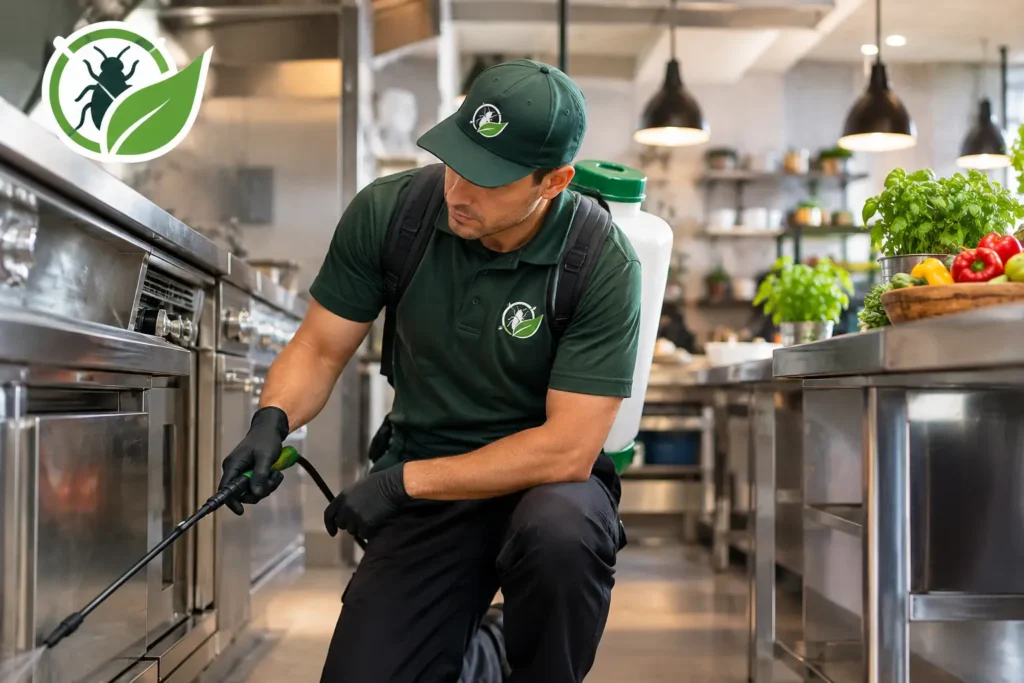
A single mouse sighting near a dining room can change how guests remember an otherwise excellent meal. Worse, pests rarely arrive alone. A restaurant may have rodent activity behind equipment, flies near drains, or birds nesting around an entry long before the problem becomes visible. Eco pest control for restaurants addresses the real source of that activity without relying on poison or harmful products that can create new risks around food, people, pets, and local wildlife.
For restaurants in mountain and foothill communities, pest pressure is often tied to the setting. Wooded lots, changing weather, nearby dumpsters, seasonal tourism, and older commercial buildings all give rodents, insects, and birds opportunities to move indoors. The right response is not simply to kill what is seen. It is to remove the conditions that let pests return.
Why restaurants need a different pest-control approach
A restaurant is not an ordinary commercial property. Food deliveries arrive constantly, doors open throughout the day, grease and moisture collect in hard-to-reach areas, and small gaps around utility lines can become a direct route into storage or prep spaces. Even a clean, well-run kitchen can face pest activity when the building exterior is not protected.
Conventional poison-based control can be a poor fit for these environments. Rodenticides may expose non-target animals, including raptors and other wildlife that feed on poisoned rodents. A rodent that consumes bait and dies inside a wall, ceiling, or equipment void can also leave the restaurant with odor, insects, and a difficult cleanup problem.
An eco-conscious program puts prevention first. It combines careful inspection, sanitation guidance, humane removal methods where appropriate, targeted mechanical control, and professional exclusion work. This protects the business while respecting the wildlife that belongs outside, not inside a restaurant.
Eco pest control for restaurants starts outside
The most effective restaurant pest work often happens before pests reach the kitchen. Rodents and wildlife usually follow predictable routes along foundations, rooflines, utility penetrations, loading areas, vegetation, and waste storage. A detailed exterior inspection identifies those routes and turns them into a prevention plan.
Close entry points before activity grows
Mice can enter through openings far smaller than most operators expect. Rats, squirrels, and birds can exploit damaged vents, loose siding, roof gaps, and openings around pipes. Repairing these access points is one of the strongest long-term defenses a restaurant can make.
Professional exclusion is more than stuffing a visible hole. Materials must hold up to chewing, weather, and daily building movement. Doors may need sweeps adjusted, vents may need properly fitted screens, and roofline gaps may require repairs that keep animals out without trapping them inside. Timing matters, especially when birds or wildlife may be nesting or sheltering in an area.
Make waste areas less inviting
Dumpster areas are a dependable food source for rodents, flies, birds, and raccoons. Restaurant teams do not need a complicated system, but consistency matters. Lids should stay closed, bags should be intact, spills should be cleaned promptly, and grease or food residue should not collect around the enclosure.
The goal is not to create a spotless-looking dumpster area for appearances. It is to remove the reliable food and shelter pests need to establish a pattern. If a rodent can eat behind the building every night, it will keep checking for a path indoors.
Manage landscaping and water
Dense vegetation against the building gives pests cover. Tree limbs touching a roof can act as highways for squirrels and rodents, while standing water supports fly and mosquito activity. Trimming vegetation back from walls, maintaining drainage, and keeping exterior storage organized can make a meaningful difference.
This does not mean stripping a property of plants or creating a bare perimeter. It means creating clear access for inspection and reducing the protected travel paths pests prefer.
Protect the kitchen without disrupting service
Inside a restaurant, pest prevention needs to work around fast service, health standards, and limited space. The best programs are practical enough for managers and staff to maintain between professional visits.
Start by looking at the areas guests never see: beneath sinks, behind dish machines, under cooking equipment, inside dry storage, around floor drains, and in employee break areas. Crumbs, grease residue, moisture, and cardboard clutter can support pest activity even when dining and prep areas look clean.
Food should be stored in sealed containers whenever possible, with stock rotated and shelves kept clear enough to inspect. Deliveries should be checked before boxes are carried deep into the building. Cardboard can harbor insects and provide hiding spaces, so it should not accumulate in storage rooms.
Drain maintenance also deserves attention. Small flies are not always coming from fruit or trash. They may be breeding in organic buildup inside drains, mop sinks, or neglected floor drains. The right treatment depends on the fly species and the source. Spraying a visible fly may provide a momentary result, but cleaning the breeding site is what breaks the cycle.
Humane methods still require decisive action
Eco-friendly pest control is not passive pest control. Restaurants need quick, accountable action when rodents, insects, or nuisance birds threaten sanitation or operations. The difference is in the method and the focus on prevention.
For rodent issues, mechanical trapping and carefully placed monitoring tools can provide direct control without introducing poison into a food-service environment. Exclusion then prevents the next animal from replacing the one removed. For birds, humane deterrents and exclusion can protect signs, awnings, vents, patios, and roof features while avoiding unnecessary harm.
Wildlife situations require an experienced assessment. A raccoon near a dumpster, bats in a roof void, or squirrels in a ceiling cannot be treated like a routine insect issue. Humane removal must account for species behavior, young animals, access points, and the need to prevent reentry. A rushed response that ignores those details can leave the restaurant with a recurring problem.
What a restaurant pest plan should include
A useful service plan is built around the property, not a generic checklist. A small cafe with a rear delivery door has different vulnerabilities than a lodge restaurant with a large patio, multiple storage areas, and a wooded perimeter.
A thorough plan should include these core elements:
- A complete inspection of interior, exterior, roofline, waste areas, storage spaces, and utility penetrations.
- Identification of the pest species and the conditions attracting it, rather than treating every sign of activity the same way.
- Humane removal or targeted non-poison control suited to the issue and the restaurant environment.
- Exclusion and block-out repairs that address entry points, damaged vents, gaps, and vulnerable doors.
- Cleanup and disinfection when droppings, nesting material, or contamination are present.
- Ongoing monitoring with clear observations so management knows what is improving and what still needs attention.
The frequency of service depends on risk. A restaurant beside forested land or near heavy tourist traffic may benefit from regular monitoring, particularly before busy seasons. A newer building with strong exclusion and little exterior pressure may need less frequent service. The point is to match the plan to real conditions, not sell more visits than the property needs.
When cleanup becomes part of pest control
Removing an animal or stopping insect activity is only part of protecting a restaurant. Rodent droppings, urine, nesting material, and bird debris can contaminate surfaces and create odors that draw other pests. They may also damage insulation, wiring, and stored goods.
Professional cleanup and disinfection are especially valuable after a hidden infestation in a wall void, attic, storage room, or equipment area. Safe removal of contaminated material, focused sanitation, and repair of the access point help restore the space and reduce the chance of repeat activity. Skipping this step can leave the conditions that attracted the problem in place.
Protect your reputation and the habitat around it
Guests may never notice a well-managed pest program, and that is exactly the outcome restaurant operators want. They see clean entryways, comfortable patios, well-kept restrooms, and a dining space that feels cared for. Behind the scenes, that standard depends on inspection, fast action, and prevention that does not create unnecessary harm.
For restaurants in Big Bear Lake, Lake Arrowhead, Crestline, and nearby mountain communities, local conditions matter. Wildlife pressure changes with weather, snowfall, construction, and food availability. Outbackzack approaches these problems with humane removal, poison-free control, cleanup, and exclusion work designed to protect both the property and the surrounding environment.
A pest-free restaurant is not created by waiting for a guest complaint. It is built through small, regular decisions: secure the waste area, clear the drain, close the gap, inspect the delivery, and deal with early activity before it becomes part of the customer experience.