
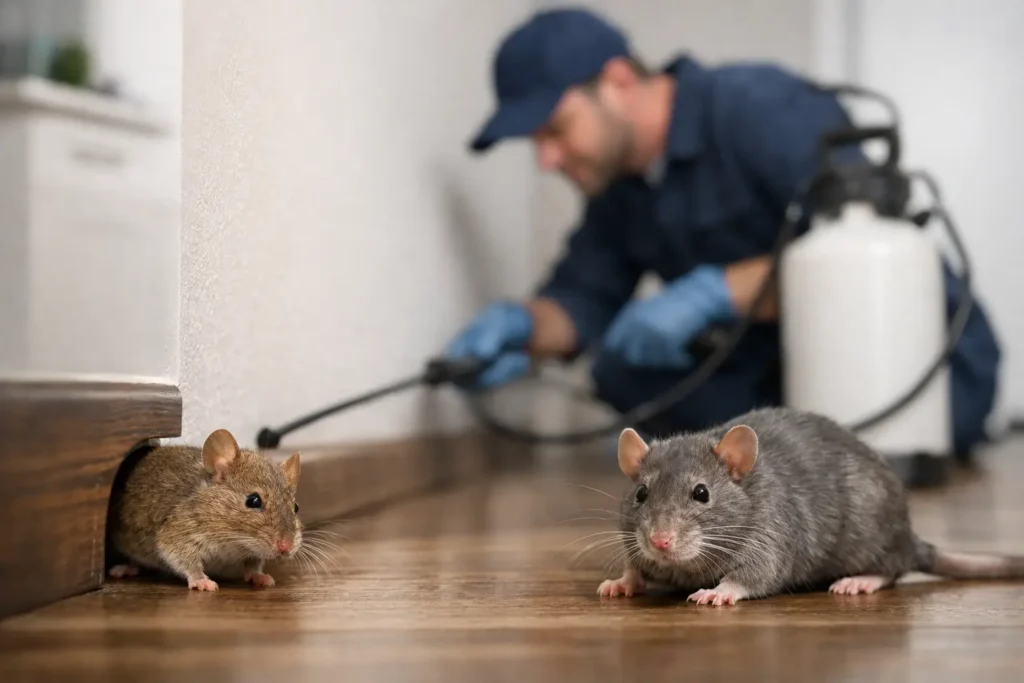
You usually do not see the problem first. You hear it. Scratching in the ceiling after dark, movement behind a wall, chewed food packaging in the pantry, or droppings in a garage that looked clean a week ago. In mountain communities, mice and rat removal is rarely a one-step job. If rodents found a way in once, they will keep using it until the real cause is addressed.
That is why quick traps alone are not a complete answer. For homes, cabins, vacation rentals, and commercial buildings in wooded and high-altitude areas, rodent control has to do two things at the same time – remove the active problem and make sure the property is not easy to re-enter. If either half is missed, the infestation often comes back.
Why mice and rats keep showing up in mountain properties
Mountain homes offer exactly what rodents need: warmth, shelter, water, and predictable food sources. As temperatures drop at night or snow moves in, attics, crawl spaces, basements, utility chases, and garages become ideal nesting sites. Even clean properties can attract them if there is easy access.
The local environment makes this worse. Cabins and second homes may sit vacant for stretches, which gives mice and rats time to settle in undisturbed. Pine needles, stacked firewood, dense brush, and stored outdoor items create hiding places close to the structure. Older buildings often have gaps around rooflines, vents, pipes, and foundations that look minor to an owner but feel like a front door to a rodent.
Rats and mice do not behave exactly the same, and that matters. Mice can squeeze through openings the size of a dime and often spread quickly through walls and storage areas. Rats need a bit more room, but they cause heavier damage and can be more cautious around traps. A property with roof rats near trees and rooflines needs a different strategy than a garage with house mice nesting behind insulation.
What proper mice and rat removal should include
Effective mice and rat removal starts with inspection, not guesswork. Droppings, rub marks, gnawing, nesting material, grease trails, and odor all help identify where rodents are active and how they are moving through the structure. Without that first step, people often place traps where rodents are not feeding or traveling.
Removal also has to be paired with exclusion. This is the part many property owners skip because the entry points seem too small to matter. They do matter. A gap around a utility line, an uncapped vent, damaged trim, warped siding, or an opening under the eaves can support an ongoing infestation.
A full service approach usually includes targeted trapping, removal of contaminated nesting material where needed, sanitation recommendations, and rodent proofing. In some situations, cleanup and disinfection are just as important as removing the animals themselves. Rodent droppings and urine can contaminate insulation, storage areas, and air pathways, especially in enclosed attics and crawl spaces.
This is also where humane and eco-conscious work matters. Poison-heavy approaches can create new problems, including dead rodents in inaccessible wall voids, secondary exposure risks for pets and wildlife, and lingering odor issues. In mountain communities where people care deeply about the environment and local animal life, responsible control methods are not a marketing extra. They are the right way to protect both the property and the surrounding ecosystem.
Signs you need mice and rat removal now
Some infestations announce themselves loudly. Others stay hidden until damage or contamination becomes obvious. If you notice scratching sounds at night, droppings under sinks or in cabinets, chewed wires, shredded insulation, or strong musty odor in enclosed spaces, action should happen quickly.
For rental properties and commercial spaces, speed matters even more. Rodent activity can affect guest reviews, tenant confidence, inventory protection, and overall sanitation standards. Waiting to see if the problem gets better usually gives rodents more time to breed, spread, and damage the structure.
There is also a health side to this. Rodents can contaminate surfaces and stored items, and their presence often brings fleas, mites, or other secondary pest concerns. In food service spaces, retail buildings, and shared-use properties, even minor rodent activity can become a serious operational problem.
Why DIY rodent control often falls short
A few traps from the hardware store can catch one or two rodents. That does not always mean the infestation is solved. The larger issue is usually access and harborage. If rodents are still getting in through the same gap behind the water heater or along the roofline, new animals will replace the ones removed.
DIY efforts also tend to miss the less obvious activity zones. People place traps where they are convenient, not where rodents naturally travel. They may also underestimate how many access points exist around a property. One visible hole often means several hidden ones.
Then there is the sanitation problem. Droppings in attics, crawl spaces, and wall voids are not just unpleasant. They can leave behind odor trails that attract further activity. If nesting material and contamination remain, the building can continue to signal that it is a safe place to return.
For occupied homes, vacation cabins, and businesses, a piecemeal approach often costs more over time because it stretches out the problem without fixing it.
Humane mice and rat removal is not a soft approach
Humane service does not mean passive service. It means using effective methods that solve the issue without creating unnecessary harm to non-target animals, pets, or the local environment. That matters in communities where homes sit close to forested areas and wildlife activity is part of daily life.
A professional, humane approach still acts aggressively on the infestation. The difference is that the work is strategic. It focuses on identifying species, controlling active populations, sealing access points, removing attractants, and cleaning affected areas so the property is protected long term.
That is especially important when rodents are not the only issue. A home with mouse activity may also have squirrels in the roofline, birds nesting in vents, or larger wildlife using crawl space access. Treating one symptom while ignoring the broader entry conditions rarely gives lasting relief.
What long-term prevention looks like
The best rodent control work should leave you with a property that is harder to invade. That often means sealing structural gaps, screening vents, repairing damaged trim, securing crawl space entries, and reducing food and nesting opportunities around the building.
Outdoor conditions matter more than many owners realize. Firewood should be stored away from the structure when possible. Dense vegetation touching the home can create hidden travel routes. Pet food, bird seed, and open trash storage can all increase activity around an otherwise well-kept property.
Inside the building, storage habits make a difference too. Cardboard boxes, cluttered utility rooms, and accessible dry goods create easy nesting and feeding zones. Prevention is not about making a place sterile. It is about making it difficult, uncomfortable, and unrewarding for rodents to stay.
For seasonal homes and vacation rentals, regular inspections are worth it. Rodents take advantage of quiet periods. Catching early signs before a small issue turns into insulation damage or widespread contamination is one of the smartest ways to protect the property.
Choosing a local mice and rat removal specialist
Not every pest company is built for mountain conditions. The methods that work in dense urban neighborhoods do not always translate to cabin communities, wooded lots, steep rooflines, and mixed wildlife pressure. Local experience matters because rodent behavior, entry patterns, and seasonal timing change by region.
A strong provider should be able to explain not just how they remove rodents, but how they keep them from coming back. That means inspection, species-aware treatment, exclusion, cleanup recommendations, and repair-minded thinking. If the plan starts and ends with bait, that is usually not enough.
This is where a company like Outbackzack fits the needs of Southern California mountain property owners. The goal is not just to get rodents out for the week. It is to restore the space, protect the structure, and do the work in a way that respects both the customer and the environment.
When mice or rats show up, the real question is not how fast you can catch one. It is how soon you can stop the property from inviting the next one in.