
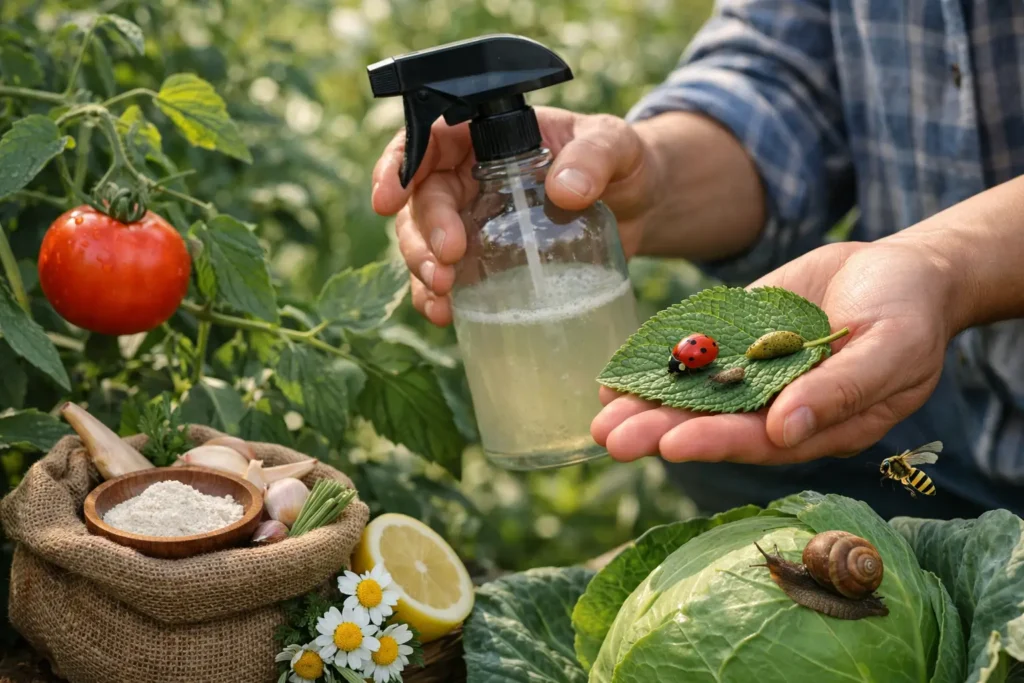
A few ants in the kitchen or chew marks in the attic can make any home or rental feel under attack fast. When that happens, many property owners ask the same question: what is organic pest control, and does it actually work when the problem is serious? The short answer is yes – when it is done correctly, organic pest control focuses on reducing pest pressure with lower-toxicity, environmentally responsible methods instead of relying only on harsh chemical treatments.
For mountain homes, cabins, and commercial properties, that distinction matters. You are not just protecting a building. You are protecting pets, families, guests, landscaping, nearby wildlife, and the surrounding environment that makes communities like Big Bear, Lake Arrowhead, and Running Springs worth living in.
What Is Organic Pest Control and How Does It Work?
Organic pest control is an approach to pest management that uses natural or naturally derived products, habitat correction, exclusion, sanitation, and targeted prevention to control insects and other nuisance pests. The goal is not to flood a property with toxic materials. The goal is to solve the pest issue while minimizing harm to people, animals, and the ecosystem around the structure.
That means organic pest control is usually part product choice and part strategy. A treatment may involve botanical-based materials, mineral-based dusts, traps, physical barriers, or changes to moisture, food access, and shelter conditions that pests depend on. In many cases, the biggest win comes from making the property less attractive to pests in the first place.
This is where homeowners sometimes get the wrong idea. Organic does not mean weak. It also does not mean a technician sprays peppermint oil and hopes for the best. A real organic pest control plan is structured, targeted, and built around pest biology. If ants are trailing indoors, the source has to be identified. If roaches are hiding near moisture, the moisture issue has to be corrected. If rodents are entering through construction gaps, exclusion has to happen or the problem keeps coming back.
Organic Pest Control vs Traditional Pest Control
Traditional pest control often relies on synthetic pesticides as the main tool. In some situations, those products can knock down pest activity quickly. The trade-off is that broader chemical use may create more concern around exposure, non-target impact, and repeated treatments if the root cause is never fixed.
Organic pest control takes a narrower and more preventive approach. It leans on inspection, monitoring, targeted applications, and physical correction. Instead of treating every square foot the same way, it focuses on where pests are feeding, nesting, entering, and breeding.
That does not mean organic methods are always the right answer for every situation. Heavy infestations, high-risk commercial environments, and urgent health issues may require a more aggressive response. But even then, the best providers still try to use the least harmful effective method first. That mindset protects both the property and the environment over time.
What Organic Pest Control Usually Includes
On a real property, organic pest control is rarely just one product. It is usually a combination of methods working together.
Inspection comes first. Without finding the source, any treatment is guesswork. A technician needs to understand what pest is present, why it is there, how long it has been active, and what conditions are supporting it.
Exclusion is a major part of the process. Sealing entry points around foundations, vents, rooflines, doors, garages, and utility penetrations can cut off access before pests establish themselves indoors. This matters especially in mountain communities where rodents, spiders, stinging insects, and other nuisance species take advantage of seasonal weather changes.
Sanitation also plays a bigger role than many people expect. Food crumbs, grease, standing water, overfilled trash, pet food, and clutter all support pest activity. Organic control works better when those attractants are reduced.
Then there are the treatments themselves. Depending on the pest, that may include low-toxicity baits, insecticidal soaps, botanical oils, diatomaceous earth, borates, mechanical traps, or carefully selected eco-conscious materials applied only where needed. The exact method depends on the species, the severity of the infestation, and who uses the property.
Why Organic Pest Control Matters in Mountain Communities
In wooded and high-altitude areas, pest problems are tied closely to the environment. Homes sit near trees, brush, open space, and wildlife corridors. Cabins may sit vacant part of the year. Snow, cold snaps, and dry periods can push pests indoors looking for warmth, water, or shelter.
That makes broad chemical use a poor fit in many cases. You are often dealing with connected ecosystems where birds, pollinators, pets, and native wildlife are part of daily life. A more responsible approach helps reduce unnecessary environmental impact while still addressing the immediate issue.
It also matches how many mountain property owners think. They want the attic protected from rodents and the deck cleared of wasps, but they do not want a scorched-earth solution if a smarter, lower-impact option will get the job done. Humane, eco-conscious work is not about being soft on pest problems. It is about being precise.
What Organic Pest Control Can Treat
Organic methods can be effective against a wide range of common pest issues, especially when caught early and paired with prevention. Ants, spiders, cockroaches, pantry pests, some beetles, earwigs, fleas, and certain occasional invaders often respond well to organic strategies.
Rodent-related work can also involve organic principles, although the conversation shifts a little. For mice and rats, successful control usually depends less on spray products and more on inspection, trapping, sanitation, cleanup, and rodent-proofing. In other words, the most effective rodent control is often already aligned with a lower-toxicity approach.
Wildlife problems are similar. If squirrels, raccoons, skunks, or bats are using a structure, true long-term control depends on humane removal and block-out repairs, not chemical treatment. That is one reason an eco-conscious pest and wildlife company often delivers stronger long-term results than a provider focused only on extermination.
The Limits of Organic Pest Control
Organic pest control is effective, but it is not magic. Severe infestations may take longer to control than with more aggressive chemical methods. Some organic products break down faster outdoors due to sun, rain, and temperature swings. Follow-up visits may be needed, especially when pest pressure is high.
There is also a difference between internet DIY advice and field-tested pest management. Home remedies often fail because they do not address nesting sites, hidden entry points, or breeding conditions. A spray from the hardware store may kill the pests you can see while doing nothing about the colony, harborage area, or route into the building.
The honest answer is that results depend on the pest, the property, the season, and the condition of the structure. A clean, well-sealed home with a minor ant issue is very different from a neglected rental with rodent gaps, moisture damage, and a long-standing infestation.
How to Tell if an Organic Approach Is Right for Your Property
If your priority is safer, more responsible control with an emphasis on prevention, organic pest control is worth serious consideration. It is often a strong fit for homes with children, pets, frequent guests, or sensitive environments. It also makes sense for vacation rentals and commercial spaces where cleanliness, reputation, and occupant comfort matter.
It is especially useful when the property owner wants more than a quick knockdown. If you are tired of recurring pest issues, you need a provider who looks beyond treatment and addresses why pests are showing up in the first place.
For some situations, a blended approach may be best. A professional may recommend eco-conscious methods as the foundation, then reserve stronger measures only for specific high-risk areas or urgent infestations. That kind of judgment matters. Good pest control is not about ideology. It is about using the right level of force for the actual problem.
Choosing a Provider Who Understands Organic Pest Control
If you are comparing companies, ask how they define organic or eco-friendly pest control. Some use the phrase loosely. A serious provider should be able to explain what materials they use, how they reduce unnecessary chemical exposure, what preventive work is included, and when they would recommend a different approach.
They should also understand local pest behavior. In Southern California mountain communities, pest control is not the same as it is in dense urban neighborhoods or flat suburban tracts. Seasonal rodent pressure, wildlife activity, wood-heavy structures, crawl spaces, and weather shifts all change the way pest problems develop.
That local knowledge matters as much as the product itself. A company like Outbackzack approaches pest pressure with both protection and responsibility in mind, which is exactly what many mountain property owners need.
Organic pest control is not about pretending pests belong in your home. It is about solving the problem in a way that respects your property, your health, and the environment around you. When the work is thorough, humane, and built to prevent repeat issues, that is not a softer option. It is often the smarter one.