
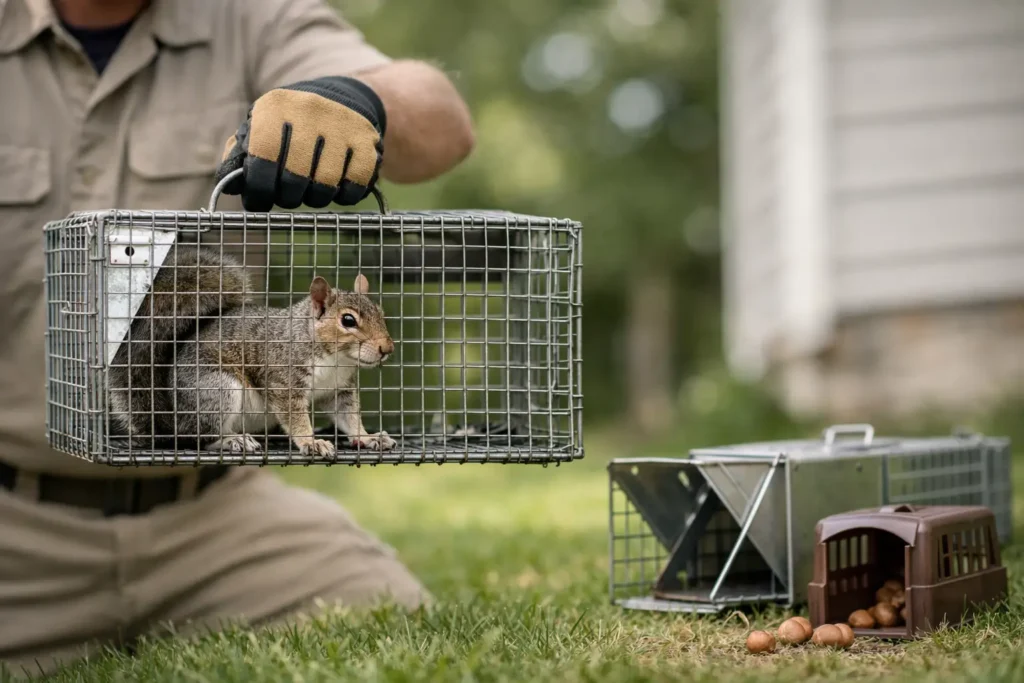
A squirrel in the attic rarely stays a small problem for long. In mountain homes and cabins, one entry point can turn into scratching in the ceiling at dawn, chewed wiring, torn insulation, and droppings hidden above living spaces. Humane squirrel removal is the right response when you want the animals out, the damage stopped, and the property protected without unnecessary harm.
For homeowners and property managers in wooded communities, squirrels are part of the landscape. They belong outside. Trouble starts when rooflines, vents, eaves, and crawlspace gaps make a house feel like a safe nesting site. Once that happens, quick action matters, but so does doing the job correctly. A rushed or aggressive approach can separate mothers from babies, trap animals inside walls, or leave openings that bring the same problem back a week later.
What humane squirrel removal actually means
Humane squirrel removal is not just about avoiding lethal methods. It means solving the problem in a way that respects wildlife behavior while protecting people, pets, and buildings. That includes identifying where the squirrels are getting in, determining whether a nest or young are present, removing the animals safely, and closing every active and potential access point so they cannot return.
A true humane approach also considers timing. During baby season, removal has to be handled carefully. If adult squirrels are excluded before dependent young are located and addressed, the result is worse for the animals and worse for the property owner. You can end up with distressed adults trying to tear their way back in, plus odor and contamination issues inside the structure.
That is why squirrel work is never just removal. It is inspection, species-aware planning, exclusion, sanitation, and repair.
Why squirrels target mountain homes
In communities like Big Bear Lake, Lake Arrowhead, Running Springs, Crestline, and nearby mountain areas, homes sit close to trees, rooflines collect debris, and seasonal weather pushes wildlife to seek shelter. Cabins and vacation rentals can be especially vulnerable because quiet periods give animals time to settle in without being noticed.
Squirrels look for warmth, protection from predators, and places to raise young. Attics, soffits, wall voids, garages, and chimneys can all offer that. Even a small gap can be enough. What surprises many property owners is how much damage a squirrel can do once inside. Gnawing is constant because their teeth never stop growing. That means wood trim, fascia, stored belongings, ducting, and even electrical wiring can become targets.
There is also the contamination side of the problem. Urine and droppings build up quickly in nesting areas, and soiled insulation often needs to be removed. If the infestation has gone on for a while, cleanup becomes just as important as removal.
Signs you need humane squirrel removal
Most squirrel problems announce themselves early, but they are easy to misread. Many people assume they are hearing rats in the attic, especially if the noise happens at night and in the early morning. Squirrels are usually more active during daylight hours, with scratching, running, and sudden movement across the ceiling or walls after sunrise and before sunset.
You may also notice chewing at roof edges, disturbed vent screens, nesting material near entry points, or dark staining around gaps where animals repeatedly squeeze through. Outside, squirrels may be seen entering the same section of the roofline over and over. Inside, insulation may appear shredded, and garages or attic spaces may carry a strong animal odor.
Any of those signs deserve a proper inspection. Waiting tends to increase repair costs.
Humane squirrel removal vs. quick fixes
Store-bought repellents, loud noises, bright lights, and one-size-fits-all traps are often marketed as easy answers. In practice, they rarely solve an established squirrel intrusion. At best, they may make part of the attic less comfortable. At worst, they push squirrels deeper into walls or into another part of the building.
The bigger issue is that quick fixes do not address entry points. Even if one squirrel leaves on its own, another can come right back through the same opening. That is why humane squirrel removal has to focus on the full system of the infestation, not just the visible animal.
There is also a safety concern. DIY trapping and exclusion can go badly if a homeowner misidentifies the species, handles a nesting site incorrectly, or seals an opening while animals are still inside. Wildlife removal in occupied structures takes more than good intentions.
How a professional humane squirrel removal process works
The process starts with a detailed inspection of the structure. The goal is to find active entry points, identify signs of nesting, assess contamination, and look for weak spots that may become future access areas. Rooflines, attic vents, dormers, eaves, crawlspace openings, and utility penetrations all matter.
From there, the removal plan depends on what is found. If squirrels are actively entering and leaving, one-way devices or other humane removal methods may be used to let animals exit without getting back in. If young are present, the strategy has to account for that before any final sealing is done. This is where experience matters most. The right timing prevents both animal suffering and expensive complications for the property owner.
Once the animals are out, exclusion work begins. This is the part many people underestimate, but it is what makes the job last. Damaged openings are sealed with durable materials designed to stand up to chewing and weather. Vulnerable areas may be reinforced to prevent future access.
After removal and exclusion, cleanup may be needed. Droppings, nesting debris, and contaminated insulation can create odor and sanitation problems if they are left behind. Disinfection and restoration help return the area to a safe, clean condition.
Why exclusion is the real long-term fix
A squirrel problem is usually a building vulnerability problem first. The animal only takes advantage of what the structure allows. Humane squirrel removal works best when removal and exclusion happen together, because that shifts the property from accessible to protected.
This matters even more in mountain communities where wildlife pressure is constant. If your home backs up to trees or open space, squirrels will keep exploring. A house with one repaired hole but five weak points is still an easy target. A well-sealed home is not.
Exclusion also protects against more than squirrels. The same gaps that allow squirrel entry may also attract mice, rats, birds, bats, or other nuisance wildlife depending on the location and season. Fixing those openings can prevent a whole chain of future issues.
Humane squirrel removal for homes, cabins, and rentals
Not every property has the same risk profile. A full-time residence usually shows problems faster because someone hears the activity early. A vacation home or short-term rental may go longer before anyone notices, which often means more contamination and more structural damage by the time the issue is found.
Commercial properties and multifamily buildings bring another layer of urgency. Noise complaints, sanitation concerns, and liability issues can all escalate quickly when wildlife is inside an occupied structure. In those cases, humane squirrel removal has to be efficient, discreet, and paired with repairs that protect the property going forward.
That local context matters. In Southern California mountain communities, weather, tree cover, roof design, and seasonal occupancy all shape how wildlife behaves around buildings. Outbackzack approaches squirrel issues with that regional knowledge in mind, because the best solution is always tied to the conditions on site.
When to call for help
If you hear movement in the attic during the day, see squirrels entering the roofline, or notice fresh chewing around vents or eaves, it is time to act. The sooner the problem is inspected, the more options you usually have for clean, humane removal and simpler repairs.
It is especially smart to move quickly if there are signs of nesting, strong odor, or visible damage to insulation or wiring. Those are not problems that improve with time. They expand.
The right goal is not just to get rid of the current squirrels. It is to protect the home, avoid repeat intrusions, and handle the animals responsibly. Humane squirrel removal does all three when it is done with a clear plan, proper exclusion, and a full understanding of how squirrels use a structure.
If squirrels have made your attic, crawlspace, or roofline part of their routine, the best next step is a real inspection. A home in the mountains should feel secure for the people living in it, not for the wildlife trying to move in.